Spanish National Research Council (CSIC)
If you are the contact person for this centre and you wish to make any changes, please contact us.
'Ramón y Cajal' postdoctoral researcher at the Biologial Mission of Galicia and head of the ECOP research group – Landscape Ecology
Senior Scientist at the Spanish Institute of Oceanography, IEO-CSIC
Senior scientist at the CSIC at the Animal Health Research Centre (CISA), National Institute for Agricultural and Food Research and Technology (INIA)
Researcher at the Instituto Cajal, CSIC
Doctor in Ecology and postdoctoral researcher at the National Museum of Natural Sciences (CSIC) in Madrid
Professor of Economics at Durham University (United Kingdom), Research Professor at the Spanish National Research Council (CSIC) and Lead Author of the International Cooperation chapter of the IPCC's AR6
EMERGIA post-doctoral research in the Sky Quality Office
Research professor at public research organisations at the CSIC Institute of History, in the Department of Archaeology and Social Processes
Researcher at the Institute of Public Goods and Policies of the CSIC (IPP-CSIC)
CSIC research professor and expert in food safety and water quality
Head of the Epidemiology and Environmental Health research group at CISA, INIA-CSIC.
Senior scientist at the Institute for Biomedical Research of Barcelona (IIBB-CSIC), principal investigator at CIBERSAM and head of the Systems Neuropharmacology group at IDIBAPS-Fundació Clínic.
Research Professor at the Doñana Biological Station (EBD-CSIC)
Director of the Institute of Neurosciences, a joint centre of the Miguel Hernández University of Elche (UMH) and the CSIC
Research Professor at IMEDEA (CSIC-UIB)
Researcher at the Pyrenean Institute of Ecology (IPE)
Researcher at the Mixed Institute for Biodiversity Research (IMIB), CSIC-University of Oviedo-Principality of Asturias
Researcher at the Institute of Molecular and Cellular Biology of Plants (UPV-CSIC)
Professor of Theoretical Physics at the Institute of Corpuscular Physics (IFIC), University of Valencia - CSIC
Research professor in the Department of Paleobiology at the National Museum of Natural Sciences, CSIC
Scientific researcher at the CSIC at the Severo Ochoa Center for Molecular Biology
Research Professor at the Institute of Dairy Products of Asturias (IPLA-CSIC)
CSIC research scientist in the Department of Instrumental Analysis and Environmental Chemistry at the Institute of General Organic Chemistry (IQOG-CSIC)
Professor of Biochemistry and Molecular Biology at the Autonomous University of Madrid and deputy director of the Centre for Molecular Disease Diagnosis at the Centre for Molecular Biology (CBM-UAM-CSIC).
Researcher at the National Museum of Natural Sciences of the Spanish National Research Council (CSIC)
PhD in Biochemistry and Molecular Biology, CSIC research scientist at the Center for Astrobiology (CSIC-INTA), where he leads a group researching the origin of life and the development of biosensors, and science communicator.
Ramón y Cajal researcher at the Doñana Biological Station (EBD-CSIC)
Researcher at the CSIC, responsible for the Ocean-Climate System Assessment Unit and collaborator in international United Nations processes on climate change and oceans
Co-director of the Microbiome Analysis Laboratory and Research Professor
CSIC Tenured Scientist of the Q-MAD group at the Institute of Nanoscience and Materials of Aragon (INMA)
Researcher at the Department of Physical and Technological Oceanography of the Institute of Marine Sciences (ICM-CSIC).
Senior Scientist at the CSIC and researcher at the Centro de Biología Molecular Severo Ochoa
Postdoctoral researcher at the Institut de Biologia Evolutiva (CSIC- Universitat Pompeu Fabra).
Researcher at the Climate, Atmosphere and Oceans Laboratory (Climatoc-Lab) at the Desertification Research Centre (CIDE, CSIC-UV-GVA)
Professor of Animal Health at the Institute for Research in Game Resources (IREC) and head of the Health and Biotechnology Research Group (SaBio) at the University of Castilla-La Mancha
Neuroscientist researcher in physical exercise and memory at the Institute of Biomedical Research of Barcelona (CSIC)
Tenured Scientist and Honorary Associate Professor at the Joint Research Institute for Biodiversity (University of Oviedo–CSIC–Principality of Asturias) and Swansea University (United Kingdom)
CSIC research professor at CREAF (Centre for Ecological Research and Forestry Applications)
Principal investigator of the 3D Genomics group at the Andalusian Centre for Development Biology (CABD)
Researcher at the UAM-CSIC Institute of Theoretical Physics and in the Department of Theoretical Physics at the Autonomous University of Madrid
Research scientist at the CSIC Institute of Catalysis and Petrochemistry
Professor of Biochemistry and Molecular Biology at the University of Seville, principal investigator at CABIMER (CSIC-US) in the Laboratory of Cellular and Molecular Neuroimmunology
Director of the Water and Global Change Department
Researcher at the Institute of Interdisciplinary Physics and Complex Systems (IFISC-CSIC-UIB)
Senior Scientist in Social Sciences at INGENIO (CSIC-UPV)
Director of the Institute of Economy, Geography and Demography of the CSIC
Researcher at the Spanish Institute of Oceanography (IEO - CSIC)
Head of the Experimental Pharmacology and New Targets in Cardiopulmonary Disorders Group at the Margarita Salas Biological Research Centre - CSIC
Researcher at the Madrid Institute of Materials Science, CSIC, and member of the Nanostructured Hybrid, Biohybrid and Porous Materials group
Researcher at the Doñana Biological Station (CSIC)
CEO and founder of Marsi Bionics and a research scientist at the CSIC on leave of absence
Researcher in the Department of Infectious Diseases and Global Health at the Centre for Animal Health Research CISA-INIA, CSIC
Senior scientist at the Institute of Language, Literature and Anthropology of the CSIC, expert in climate anthropology
CIDEGENT Distinguished Researcher
Director of the Institute of Environmental Assessment and Water Studies (IDAEA-CSIC)
Honorary Doctor at the CSIC Institute of History, in the Department of Archaeology and Social Processes
Staff scientist at the Institute of Materials Science of Madrid – CSIC and member of the Supramolecular, Polymeric and Reticular Materials group
Group Leader in Nanomedicine and Molecular Imaging, Institute of Medicinal Chemistry (IQM) of CSIC
PhD in Biology, CSIC researcher and associate professor at the Universidad Rey Juan Carlos de Madrid
Scientist at the Center for Human and Social Sciences, IPP-CSIC, specialized in meta-research in public health, epidemiology and health services.
Doctor of Medicine specialising in Paediatrics, Rare Diseases and Molecular Genetics, research professor at the CSIC and chair of the Scientific Advisory Board of the Únicas Centre, Sant Joan de Déu Children's Hospital
Research Professor at the Eduardo Torroja Institute for Construction Sciences. Executive Vice-President of the Women and Science Commission of the CSIC.
Researcher in the Department of Soil and Plant Microbiology, Zaidín Experimental Station-CSIC
Research scientist at the Institute of Neurosciences in Alicante (CSIC-UMH), head of the Molecular Neurogenetics group
Researcher at the Institute of Geosciences, IGEO (CSIC-UCM)
Researcher, Instituto de Física Corpuscular
Tenured Scientist at the Barcelona Institute of Microelectronics (IMB-CNM) of the CSIC and member of the Radiation Detectors research group
Researcher at the Joint Institute for Biodiversity Research of the University of Oviedo
Research Professor leading the research group New platforms and nanodevices for quantum simulation and computing of the Madrid Institute of Materials Science (CSIC)
Professor of the Department of Theoretical Physics & IFIC of the University of Valencia - CSIC
Senior scientist in the Biotechnology Department at INIA-CSIC
Forestry engineer and senior scientist at the National Institute for Agricultural and Food Research and Technology (INIA-CSIC)
Research Professor in the Department of Biodiversity and Evolutionary Biology at the National Museum of Natural Sciences (MNCN-CSIC)
Ecologist. 'Ramón y Cajal' researcher working at EBD-CSIC (Doñana Biological Station)
Coordinator of the CSIC Global Health Platform and researcher at the Instituto de Biomedicina de Valencia (IBV-CSIC)
Principal investigator at the Institute of Evolutionary Biology (CSIC-UPF)
Scientist in the Epidemiology and Environmental Health research group at CISA, INIA-CSIC.
Postdoctoral researcher at Doñana Biological Station (EBD-CSIC)
Co-director of the coronavirus group at the National Biotechnology Centre (CNB-CSIC)
Head of the Cybermetrics Laboratory and Deputy Technical Director of the Institute of Public Goods and Policies (IPP-CSIC)
Researcher on the evaluation of science at Leiden University (Netherlands) and at the Ingenio Institute (CSIC-UPV)
Research professor at the Institute of Geosciences, IGEO (CSIC-UCM)
CSIC Group Leader at the Institute of Neurosciences (CSIC-UMH)
Researcher at the Centro de Investigación en Sanidad Animal (CISA-INIA/CSIC)
Researcher at the Madrid Institute of Materials Science, CSIC, and member of the Nanostructured Hybrid, Biohybrid and Porous Materials group
Senior scientist at the Fat Institute-CSIC
Professor ad honorem of the CSIC at the Severo Ochoa Centre for Molecular Biology
Research Professor at the Pyrenean Institute of Ecology (CSIC)
Planetary geologist and astrobiologist at the IGEO (CSIC-UCM). Academician of the Royal Academies of Sciences and Doctors of Spain. President of the Planetary Geology Commission of the Geological Society of Spain and of the Spanish Network of Planetology and Astrobiology.
Research Professor at the Institute for Environmental Diagnoses and Water Studies (IDAEA-CSIC) and Director of the Natural Risk Assessment and Management Service (NRAMS)
Research Professor at the CSIC, Department of Environmental Chemistry at the Institute of Environmental Diagnosis and Water Studies (IDAEA-CSIC)
CSIC research professor at CREAF
Research scientist at the Public Research Organisation (PRO) at the Institute of Biomedicine of Valencia of the Spanish National Research Council (CSIC) and principal investigator at CIBERNED
Researcher in the Department of Biogeography and Global Change at the National Museum of Natural Sciences (MNCN-CSIC)
Research professor at the Doñana Biological Station (CSIC)
Research Professor at the IAA-CSIC (Granada) and co-principal investigator of the SO/PHI instrument on board Solar Orbiter
Research scientist at the Institute of Mathematical Sciences (ICMAT, CSIC-UAM-UCM-UC3M), specialising in arithmetic geometry
Scientific researcher in the Water and Global Change Department of the Geological and Mining Institute of Spain (IGME-CSIC)
Head of the Concrete Laboratory Technical Unit, Deputy Technical Director of the Eduardo Torroja Institute of Construction Science at the CSIC
Senior Scientist at the Institute of Advanced Social Studies (IESA-CSIC)
Astrophysicist at the Instituto de Astrofísica de Andalucía (IAA-CSIC)
Scientific researcher at ICMAT and Vice-President for Scientific and Technical Research at CSIC
ICREA Research Professor at the Institute of Molecular Biology of Barcelona (IBMB)
CSIC researcher at the National Museum of Natural Sciences (MNCN) specialised in hydrological risks in the context of global change and member of the Risk Commission of the Geosciences Connection
Research Professor at CSIC and head of the CO2 Capture group at the Institute of Carbon Science and Technology (INCAR)
Senior Scientist at the Animal Health Research Centre (CISA) of the National Institute for Agricultural and Food Research and Technology (INIA-CSIC)
CSIC geologist and paleontologist at the Institute of Geosciences (CSIC-UCM)
Director of the Institute of Optics “Daza de Valdés”
Research professor at the Institute of Theoretical Physics (UAM-CSIC)
Research Scientist at the Institute of Fundamental Physics IFF-CSIC
Research professor at the Spanish National Research Council (CSIC) at the Institute of Corpuscular Physics (IFIC) in Valencia (University of Valencia-CSIC), co-principal investigator of the KM3NeT research team at IFIC and co-leader of the VEGA Group at IFIC
Senior Scientist in the Paleobiology Department of the National Museum of Natural Sciences (Madrid)
CSIC research professor (honorary) at the Instituto de Neurociencias de Alicante (CSIC-UMH) and member of the Royal Academy of Sciences of Spain
Researcher specializing in environmental chemistry at the Institute of General Organic Chemistry (IQOG-CSIC)
CSIC lecturer at CIDE (Centre for Research on Desertification), Valencia
Member of the Food Security and Environment Research Group of the Desertification Research Centre (Valencia)
PhD in Physics and tenured scientist at the Institute of Physics of Cantabria (CSIC-UC)
CSIC research professor at the Cajal Institute
Tenure scientist, PhD in Physics, specialising in superconductors, Instituto de Ciencia de Materiales de Madrid (CSIC).
Researcher in the Water and Global Change Department of the Geological and Mining Institute of Spain (IGME-CSIC)
CSIC researcher at CREAF and co-coordinator of the Laboratory for Biodiversity and Landscape Ecology
Research professor at the National Biotechnology Centre (CNB-CSIC) and at the CIBERER-ISCIII
Research Professor at CSIC at the Institute of Public Goods and Policies (IPP)
CSIC senior scientist, researcher in reproductive biology
CNB-CSIC Scientific Researcher at the CiMUS of the University of Santiago de Compostela, IDIS. Laboratory of Cell Senescence, Cancer and Aging
Virologist and immunologist at the Severo Ochoa Centre for Molecular Biology, coordinator of the CSIC interdisciplinary research platform on Global Health.
Researcher at the Instituto de Ciencia de Materiales de Madrid (ICMM, CSIC).
Researcher at the Institute for Food Science Research (CSIC-UAM)
Head of the Pathogenic Mechanisms of Alzheimer's Disease research group and researcher at the Severo Ochoa Molecular Biology Centre
Research Professor at the Institute for the Structure of Matter, CSIC
Researcher at Geosciences Barcelona (GEO3BCN - CSIC)
Senior Researcher at the Severo Ochoa Center for Molecular Biology (CBM-CSIC-UAM)
Head of the Immunometabolism and Inflammation Laboratory at the Center for Molecular Biology and scientific researcher at the Spanish National Research Council (CSIC)
Researcher in the Viral Immunology: Therapies and Vaccines group at the Margarita Salas Biological Research Center.
Senior Lecturer in the Department of Theoretical Physics at the University of Valencia and at the Institute of Corpuscular Physics (IFIC)
Virologist at the National Center for Biotechnology (CNB-CSIC)
CSIC research professor in the Department of Biogeography and Global Change at the National Museum of Natural Sciences and coordinator of the PTI-Agriambio platform
Research Professor at the CINN-CSIC and head of the Cancer Epigenetics and Nanomedicine group at the Institute for Health Research of the Principality of Asturias (ISPA)
Professor of Physics of the Earth in the Department of Physics at the UIB and researcher at IMEDEA
Head of the Cerebral Cortex Development research group at the National Center for Biotechnology (CNB-CSIC)
Research Professor at INGENIO (CSIC-UPV)
Research scientist at CSIC
Senior scientist at the Margarita Salas Biological Research Centre of the CSIC.
Tenured scientist CSIC & PI, Andalusian Center for Developmental Biology, CSIC-Pablo de Olavide University
Professor and researcher in the Department of Theoretical Physics at the Autonomous University of Madrid and at the Institute of Theoretical Physics (IFT UAM-CSIC), scientific coordinator of the entire NASA Fermi-LAT Collaboration between 2023-2025 and coordinator of the ‘Dark Matter and New Physics’ working groups of the Fermi-LAT gamma-ray collaborations (2014-16 and 2020-2022) and CTAO (2018-2020) collaborations
Full CSIC scientist.
Researcher at the Department of Organic Chemistry, Faculty of Science-Institute of Nanoscience and Materials of Aragon (INMA), University of Zaragoza-CSIC
Researcher at the Mixed Institute for Biodiversity Research (IMIB), CSIC-University of Oviedo-Principality of Asturias
Senior researcher in ecotoxicology
Nicolás Toro, CSIC Research Professor.
Principal Investigator of the Developmental Neurobiology Group at the Institute of Biomedicine of Valencia (CSIC)
Professor at the University of Valencia, former director of the Institute of Corpuscular Physics (IFIC), University of Valencia - CSIC
Research Scientist at the Department of Planetology and Habitability of CAB-INTA-CSIC
Senior Scientist at the Institute of Environmental Diagnosis and Water Studies at CSIC (IDAEA-CSIC) and visiting professor at SLU Swedish University of Agricultural Science (Sweden)
CSIC research professor in the Department of Metabolism, Inflammation and Ageing at the Institute of Biomedicine of Valencia (IBV-CSIC)
Industrial pollution researcher, member of the Environmental Geochemistry and Atmospheric Research group (EGAR)
Researcher at the Biodiversity Research Institute (CSIC-University of Oviedo-Principality of Asturias)
Research Professor in the Integrative Ecology Department at Doñana Biological Station (CSIC)
Researcher at the National Biotechnology Centre (CNB-CSIC)
Scientific researcher at the Plant Protection Products Unit of the National Institute for Agricultural and Food Research and Technology (INIA-CSIC)
Computer scientist and physicist, emeritus research professor at the CSIC, founder of the Institute for Research in Artificial Intelligence (IIIA-CSIC), honorary professor at Western Sydney University and a pioneer of AI research in Spain
Senior scientist at the Institute of Advanced Social Studies (IESA) of the Spanish National Research Council (CSIC)
CSIC researcher at the Centro de Investigación en Agrigenómica and member of COSCE
Principal investigator of the Metabolism and Regulation of Gene Expression group at the Institute of Biomedicine of Valencia (CSIC)
Principal investigator at the Severo Ochoa Molecular Biology Centre
Researcher specialized in ecology and evolution of antibiotic resistance.
Head of the Non-Invasive Neurofunctional Assessment Service at the Instituto de Investigaciones Biomédicas de Madrid - CSIC
Virologist at the National Biotechnology Centre (CNB-CSIC)
Research Professor at the Institute of Economics, Geography and Demography (IEGD) of the Spanish National Research Council (CSIC).
Contracted Lecturer, member of the SaBio Group at the Institute for Game and Wildlife Research (IREC) (CSIC-UCLM-JCCM)
Researcher CIDEGENT
Research Professor at CSIC at the Institute of Neurosciences (Alicante)
CSIC Research Professor at the National Center of Biotechnology
CSIC Research Professor at the Instituto de Diagnóstico Ambiental y Estudios del Agua (IDAEA), CSIC.
CSIC research professor, scientific director of the Cancer Research Centre, Salamanca, and former president of ASEICA
Head of the African Swine Fever Virus Laboratory at the Severo Ochoa Molecular Biology Center (CBMSO)

US researchers have published a model showing that ice in the mid-latitudes of Mars could allow photosynthetic life to develop. Its thickness and composition would attenuate harmful ultraviolet radiation, but allow sufficient visible light to pass through. The work is published in the journal Communications Earth & Environment.
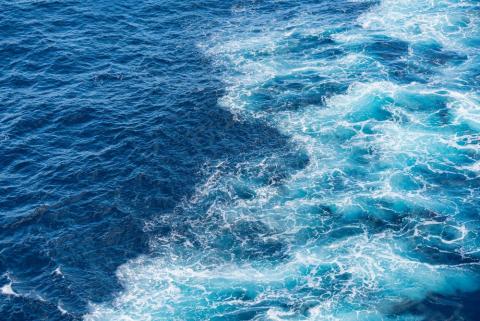
A review published in the journal Science Advances examines how the expansion of marine aquaculture - the farming of aquatic organisms in the ocean - can lead to risks, such as degradation of the marine environment. The study is part of a special issue of the journal dedicated to this growing industry.
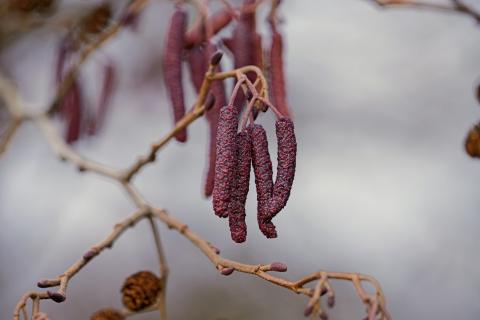
An international team of researchers has reconstructed the first European seed dispersal network based on a literature review. The data indicate that extinction threats and demographic changes in the animals that disperse them have resulted in 30% of plant species having their dispersers listed as 'high concern.' The lack of seed dispersal could hinder the recovery of declining plant populations. The authors publish their results in the journal Science.

The Royal Swedish Academy of Sciences has awarded the Nobel Prize in Physics 2024 to researchers John J. Hopfield and Geoffrey E. Hinton for discovering the foundations that enable machine learning with artificial neural networks. Hinton for discovering the foundational basis that enables machine learning with artificial neural networks. This technology, inspired by the structure of the brain, is behind what we now call ‘artificial intelligence’.

The increase in human life expectancy may be slowing down, according to an analysis of data from nine regions around the world, including Spain, over the past three decades published today in Nature Aging. The accelerated rates of increase in life expectancy observed in the 20th century have slowed, especially after 2010: children born in recent years have a relatively low probability of reaching 100 years of age. The authors suggest that there is no evidence that a radical extension of life expectancy has occurred or will occur in the 21st century.
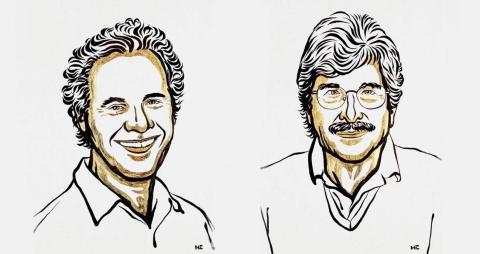
The Karolinska Institute has awarded the Nobel Prize in Medicine or Physiology to Victor Ambros and Gary Ruvkun for the discovery of microRNAs, small RNA fragments that do not contain instructions for making proteins but instead participate in the regulation of gene expression. Their role is fundamental in processes such as cell differentiation, and their alteration can influence diseases like cancer.

International research in which CREAF is participating estimates that more than 1,300 bird species will disappear over the next two centuries, which is more than double the number of extinctions recorded to date - 610 species have disappeared in the last 130,000 years. The study, published in the journal Science, shows that, for island endemics, the proportional losses have been and will be even greater. The authors warn that when a species becomes extinct, its role in the ecosystem may disappear with it.
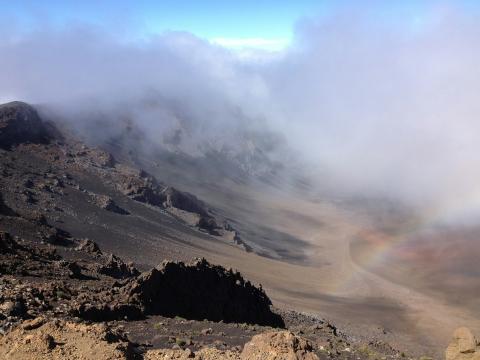
A study has analyzed changes in the Earth's average global surface temperature over the past 485 million years and has discovered oscillations ranging from 11°C to 36°C, representing a variation of up to 25°C. The research concludes that temperatures during the Phanerozoic underwent more fluctuations than previously thought and shows a correlation between CO2 and changes in Earth's temperature. The article, published in the journal Science, combines thousands of data points with a modeling method used for weather forecasting.
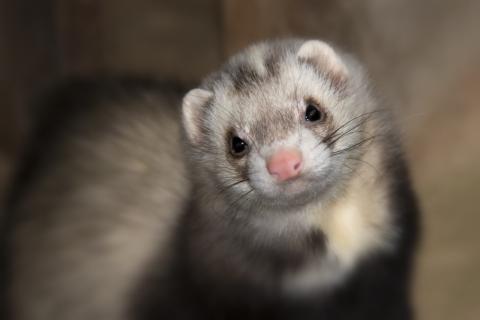
A study carried out in China has analyzed tissues from 461 fur animals, mostly farm-raised. They found 125 virus species, 39 of which presented a high risk of interspecies transmission. According to the authors, who publish the results in the journal Nature, “there is a need for more extensive and regular surveillance to assess the public health risks that could result from fur animal farming”.

More than 52 million tonnes of plastic waste are emitted around the world every year, according to a study published in Nature that inventories plastic pollution in 50,702 cities. It concludes that littering is the largest source of plastic emissions in the global North, and uncollected waste is the largest source in the South.