
University of Granada
If you are the contact person for this centre and you wish to make any changes, please contact us.
Doctor of Ethology, research collaborator in the Department of Zoology
Professor in the Department of Theoretical Physics and the Cosmos at the University of Granada.
Professor at the University of Granada (UGR), lecturer in the Master's Program in Research in Physical Activity and Sport at the UGR and director of the research group "Brain and Human Cognition" at the Mind, Brain and Behavior Research Center (CIMCYC)
Vice-director of FiloLab and professor of Bioethics at the University of Granada
Professor in the department of Experimental Psychology and researcher at the Mind, Brain and Behaviour Research Center (CIMCYC) at the University of Granada
Professor of Pharmacology at the University of Granada and coordinator of the Working Group on Basic Sciences in Pain and Analgesia of the Spanish Pain Society
Lecturer in Social Psychology at the University of Granada (UGR) and researcher at the Centre for Research on Mind, Brain and Behaviour (CIMCYC)
Full professor and director of the department of Personality, Evaluation and Psychological Treatment at the faculty of psychology of the University of Granada.
Professor of Zoology at the Department of Zoology and coordinator of the Applied Ecology and Agroecosystems research group at the University of Granada
Professor of AI, Director of the DaSCI (Data Science and Computational Intelligence) Research Institute, University of Granada and member of the Royal Academy of Engineering
Professor of Immunology and Director of the Department of Biochemistry and Molecular Biology 3 and Immunology at the University of Granada
Permanent professor in the Department of Ecology at the University of Granada
Full Professor in the Department of Genetics at the University of Granada
Professor in the Department of Physical Education and Sport at the Faculty of Sports Sciences, Director of the Joint University Institute for Sport and Health (iMUDS) at the University of Granada, and Coordinator of the CIBEROBN Group on Physical Activity and Obesity
Professor in the department of Experimental Psychology at the University of Granada
Professor of Earth Physics at the Andalusian Institute of Geophysics and the University of Granada
Head of the Arrhythmias and Inherited Cardiac Diseases Section at Virgen de las Nieves University Hospital in Granada and Associate Professor at the University of Granada
Full Professor in the Department of Prehistory and Archaeology
Head of ProyectORCE
Professor of the Department of Physical Chemistry in the Faculty of Pharmacy at the University of Granada
Professor in the Department of Experimental Psychology and Director of the Mind, Brain and Behavior Research Center (CIMCYC) at the University of Granada
Pharmacist and member of the research group Soil Science and Geopharmacy at the University of Granada.
Professor at the University of Granada and researcher at the Cybernetics Centre for Epidemiology and Public Health (CIBERESP) and the Institute for Biomedical Research of Granada (ibs.GRANADA)
Researcher at the Department of Philosophy I of the University of Granada and at the Institute for Biosanitary Research ibs.GRANADA
Professor of Obstetrics and Gynaecology at the University of Granada, president of the Spanish Foundation for the Study of the Menopause (FEEM) and member of the Board of the European Menopause & Andropause Society (EMAS)
Full professor in the Department of Forensic Medicine, Toxicology and Physical Anthropology, Faculty of Medicine
Marie Skłodowska-Curie postdoctoral fellow
McMaster Institute for Music & the Mind, McMaster University (Canada)
Mind, Brain and Behaviour Research Centre, University of Granada
Full Professor of the Department of Computer Science and Artificial Intelligence at the University of Granada
Researcher at the University of Granada and the CIBER of Epidemiology and Public Health
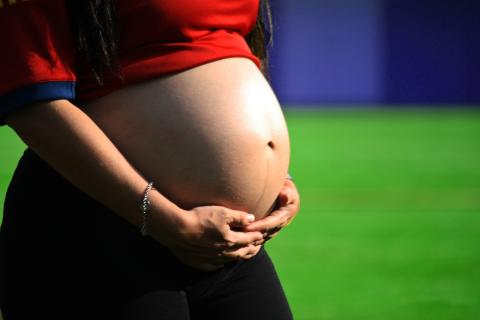
A study conducted in Spain and five other European countries shows that exposure to mixtures of endocrine disruptors during pregnancy is associated with metabolic health problems in children. The research, published in JAMA Network Open, followed more than 1,100 mother-child pairs between 2003 and 2016 and found a correlation between measures of metabolic dysfunction in children aged 6-11 years, and their prenatal exposure to chemicals such as metals or organochlorine pesticides, among others. According to the authors, these results could be related to the current increase in metabolic syndrome across the lifespan, which results in an increased risk of cardiovascular disease and type 2 diabetes.

Teenagers who are frequent users of electronic cigarettes have more uranium and lead in their urine than occasional users, according to a study. Those who use sweet flavored products also have higher uranium levels in their urine than those who use mint flavors. The study, published in the journal Tobacco Control, analyses data from a representative sample of adolescents aged 13 to 17 in the United States, which includes 200 exclusive users of these e-cigarettes.

Two-thirds of biological conservation actions improve biodiversity or slow its decline, a meta-analysis claims. The study highlights the effectiveness of interventions focused on invasive species control, habitat loss reduction and restoration, and protected areas. The article, published in the journal Science, brings together the findings of 186 previous studies.

The menopause should be tackled not just by treating specific symptoms, but more broadly, argue a group of researchers in an article published in The Lancet, one of a series on the subject. A medicalised approach can disempower women and lead to overtreatment, the authors warn. "Instead of focusing on menopause as an endocrine deficiency, we propose an empowerment model", they say. This model would incorporate the influence of psychological, social, and contextual factors that can be modified, and would also value the patient as the expert on her own condition.
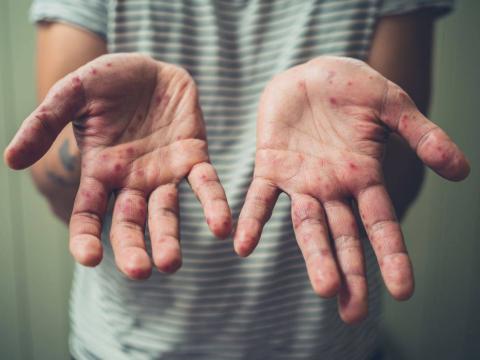
Toledo and Alicante are suffering the first outbreaks of measles recorded in Spain since the pandemic, El País reported today. In total, 15 cases have been confirmed since 1 January, of which seven are imported and eight autochthonous.
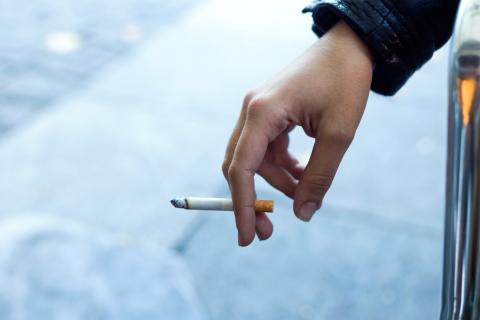
A study has analysed more than 100 environmental factors and their impact on the immune response. After studying about a thousand volunteers, its conclusions are that smoking is the factor that causes the most alterations in defences. While some changes are transient, others may remain for years after quitting. The results are published in the journal Nature.

One in five species included in the list of the Convention on the Conservation of Migratory Species of Wild Animals (CMS, to which Spain is a party) is in danger of extinction. These are data from the first global monitoring report on these species published by the World Conservation Monitoring Centre, a branch of the United Nations Environment Programme (UNEP). This figure rises to 97% for fish species. The authors warn that the situation has deteriorated in recent decades due to "intense levels of anthropogenic pressure". The presentation of the report coincides with the start of the COP on the conservation of these species in Uzbekistan (COP14).
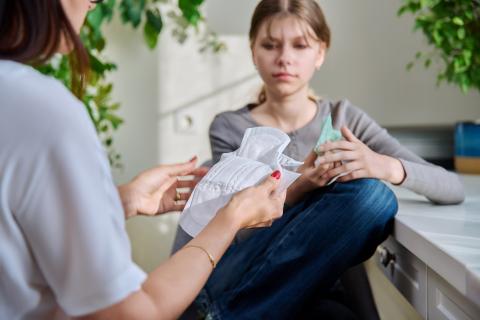
An early first menstrual period (menarche) - compared with the average of 13 years - is associated with an increased risk of type 2 diabetes in women under the age of 65 and also with an increased risk of stroke among those living with diabetes, says a study published in BMJ Nutrition, Prevention & Health. The research analyses data from a national health survey in the US, focusing on women aged 20-65 between 1999 and 2018.

A review of more than 100 meta-analyses and nearly 2500 studies has analysed the use of screens by children and young people and the consequences for their learning and health. Their conclusions are that, in general, the effects are small and vary according to the type of use and context. The results are published in the journal Nature Human Behaviour.
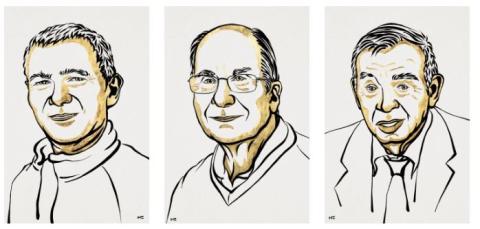
The Royal Swedish Academy of Sciences has awarded the Nobel Prize in Chemistry 2023 to Moungi G. Bawendi, Louis E. Brus, and Alexei I. Ekimov "for the discovery and synthesis of quantum dots." Quantum dots are tiny nanoparticles that diffuse their light from televisions and LED lights, and can also guide surgeons when removing tumor tissue, among many other applications.