A diet rich in omega-3 fatty acids may help prevent myopia in children
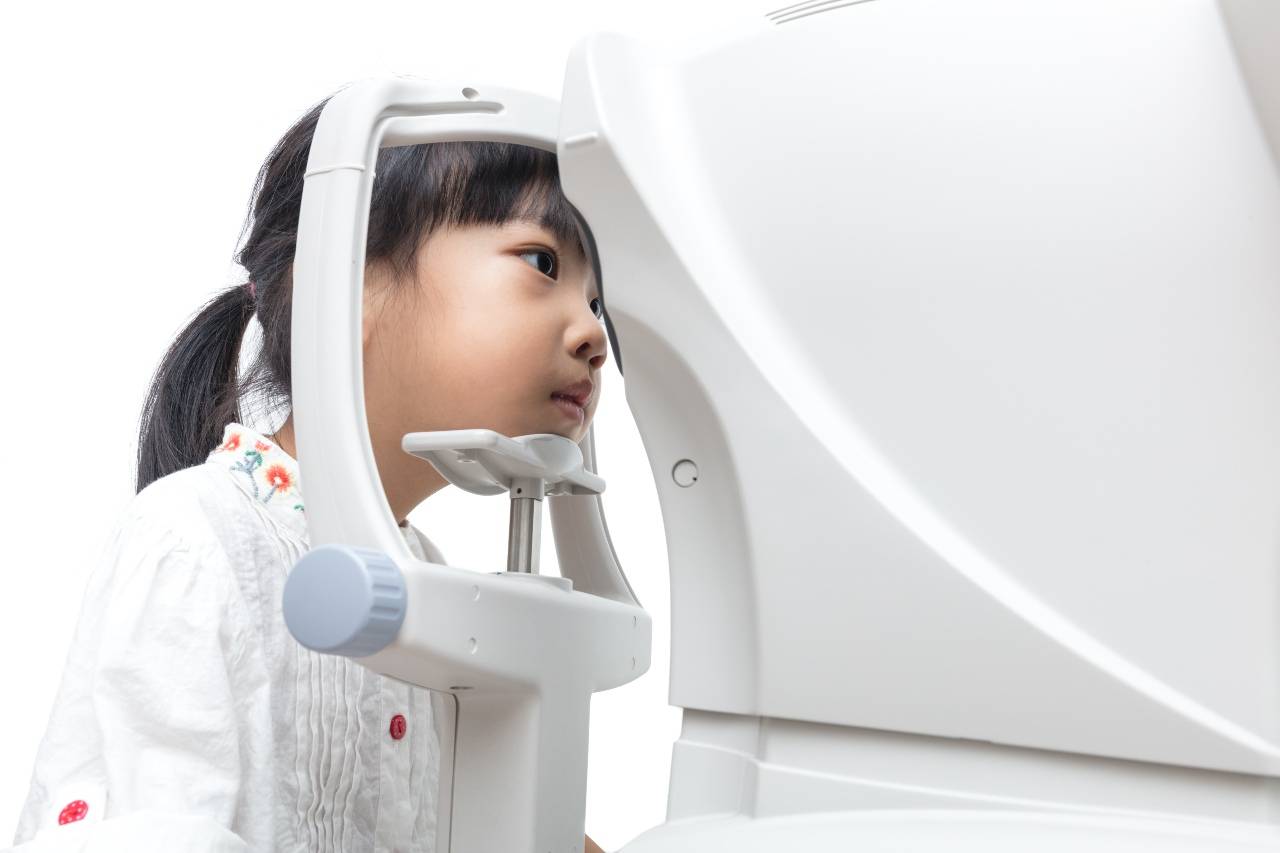
A diet rich in omega-3 fatty acids, found mainly in fish oils, may help prevent the development of myopia in children, while high consumption of saturated fats, found in foods such as butter, palm oil and red meat, may increase the risk of developing this condition, according to research published in the British Journal of Ophthalmology. The study was conducted on a thousand children in Hong Kong aged between six and eight.
Sergio Recalde - miopía omega 3 EN
Sergio Recalde Maestre
Lecturer of the Department of Ophthalmology at the University of Navarra and researcher at the Experimental Ophthalmology Laboratory at the University of Navarra Clinic.
Is the study of good quality?
"Yes, the study is of good methodological quality:
- Prospective design with follow-up in a paediatric cohort.
- Standardised collection of dietary and refractive data.
- Control of confounding factors (outdoor activity, near vision work, family history).
However, as with nutritional studies, diet estimation using questionnaires has a margin of error and recall bias. In addition, it would be helpful to include children of different ages to see the nutritional characteristics at older ages (from 10 years onwards)".
Are your results novel?
"Yes, the results are novel:
- The relationship between omega-3 protection against myopia is a little-explored finding and provides an original approach in a field where more emphasis is usually placed on outdoor time and near vision control.
- The association between high saturated fat intake and increased risk of myopia is also innovative, as there were hardly any previous studies with this conclusion.‘
What are its limitations?
- ’The study is observational, so causality cannot be established, only association.
- The assessment of diet is based on frequency questionnaires, which are susceptible to bias.
- The study population is limited to children in Hong Kong, with a very specific dietary pattern and prevalence of myopia.
- It cannot be ruled out that socioeconomic, cultural or lifestyle factors may simultaneously influence diet and the risk of myopia.
- It would have been good to see how the other environmental factors are doing in these low and high percentile groups, as these dietary results are likely to be behind a healthier lifestyle, with children doing more sport, sleeping more hours, spending more time outdoors and eating more appropriately. Drawing conclusions from one factor in isolation may oversimplify the serious and complex problem of childhood myopia".
Can your results be extrapolated to populations other than Hong Kong?
"With caution.
- The findings are relevant, but dietary habits and the high prevalence of myopia in Hong Kong may not be representative of other regions.
- Studies in other populations (Western, rural, with different dietary and genetic profiles) would be needed to confirm the external validity of the results.
- We are conducting a similar study in the Spanish population to see the importance of these (and other) nutritional factors in the Spanish child population based on myopia.‘
What implications could this have for clinical practice?
- ’Guiding families towards a more balanced diet, rich in fish and omega-3, and low in saturated fats, as a potential preventive measure against childhood myopia.
- It can serve as a complement to existing recommendations: increasing time spent outdoors and limiting intensive screen use and close-up reading, encouraging rest in children, etc. Promoting a healthy lifestyle in children
- It opens the door to new lines of research and, in the future, to the inclusion of specific dietary guidelines in clinical guidelines for myopia prevention.
In conclusion: this is a solid and pioneering study with promising findings, but it needs to be replicated in other populations before clinical practice can be definitively changed".
Xiu Juan Zhang et al.
- Research article
- Peer reviewed
- Observational study
- People