A study in mice and human tissue shows that the antioxidant glutathione feeds cancer cells
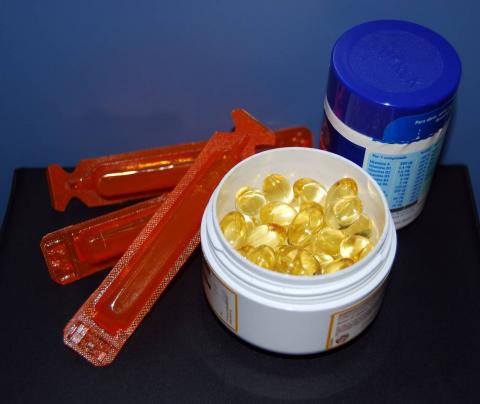
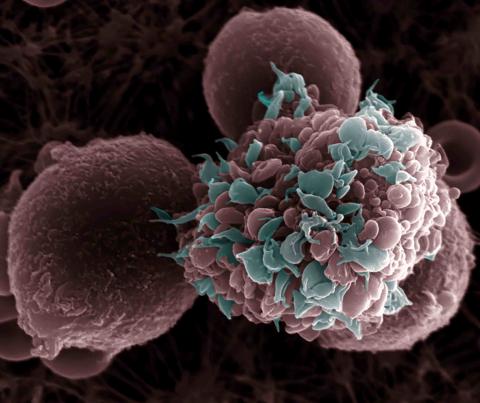
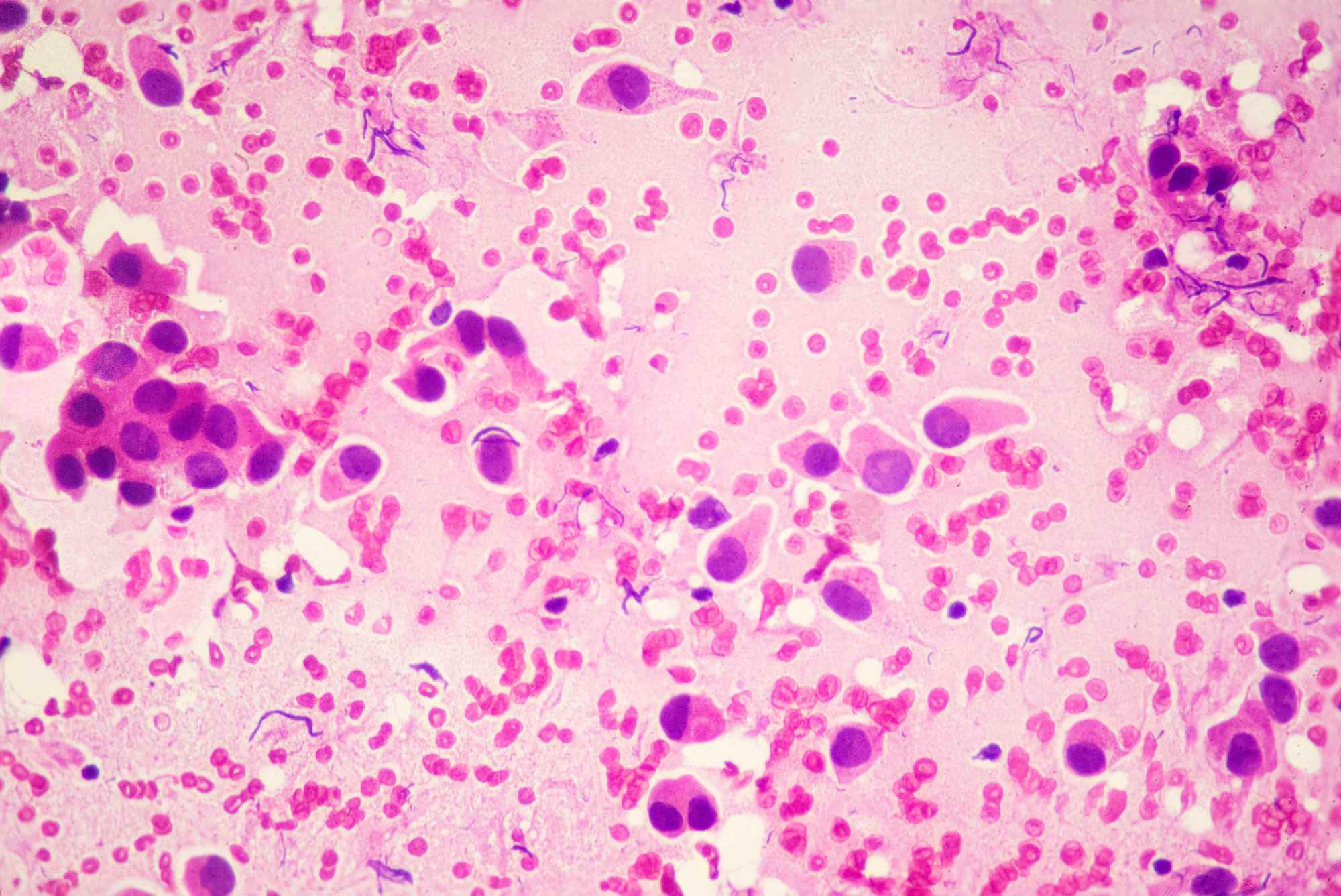
Glutathione is considered an antioxidant due to its ability to repair cellular damage. The body produces it naturally, but it is also sold as an antioxidant supplement. A study in mice and human tissue, published in Nature, shows that cancer cells can break it down and use it as fuel—particularly the cysteine it contains—promoting tumour growth and survival. “Depriving tumours of extracellular glutathione or inhibiting its breakdown is potentially a viable therapeutic strategy for cancer patients,” the authors state.
2026 03 18 glutatión y cáncer Lluís Espinosa EN
Lluís Espinosa
Coordinator of the Research Group on Molecular Mechanisms of Cancer and Stem Cells at IMIM-Hospital del Mar
The study by Hecht and colleagues is impeccably conducted, and its experimental rigour allows for a solid demonstration of the importance of extracellular glutathione as a source of cysteine in breast tumours, at least in the murine models analysed.
However, a potential limitation of the work is that other alternative sources of amino acids, including cysteine, may exist in the tumour interstitial fluid, and their relative contribution has not yet been defined. Likewise, the origin of the glutathione that accumulates in this compartment remains unclear, as does whether external factors, such as glutathione-rich diets or direct intake of this compound as an antioxidant supplement, might influence its levels in the tumour microenvironment.
Given the potential relevance of these findings, it will be essential to validate the results in patient samples and correlate them with clinical information and dietary habits. If confirmed, these data could have significant public health implications and would challenge the widespread perception of glutathione as an inherently beneficial compound for human health.
2026 03 18 glutatión y cáncer Iciar Astiasarán EN
Iciar Astiasarán
Professor of Nutrition and Food Science and Director of the Nutrition Research Centre at the University of Navarra
It is an interesting article. The researchers behind it come from leading research centres, and the fact that it has been peer-reviewed and published in a reputable journal indicates that it is a serious piece of work. I have seen that the authors have been working for years on cancer, antioxidants, and specifically on glutathione. It is also important to note that studies like this need to be confirmed by further research.
Regarding the question of what these results tell us about dietary supplementation, this study serves as a reminder of the importance of seeking professional advice when taking supplements. The use of supplements should respond to specific needs in particular situations, and using them freely without supervision could, in some cases, be counterproductive—as could be the case here for cancer patients if the findings of this study are confirmed. Moreover, it should be noted that, specifically, glutathione does not have any health claims authorised by the EFSA (European Union) or by the FDA (United States).
2026 03 18 glutatión y cáncer Alberto Díaz Ruiz
Alberto Díaz-Ruiz
Principal Investigator of the Cellular and Molecular Gerontology Lab
Strategies targeting tumour metabolism represent approaches that could improve the effectiveness of various therapies. We know that caloric restriction and other forms of fasting induce changes in the metabolism of these cells, forcing them to reduce their reliance on glucose and increase the use of mitochondrial oxidative pathways. However, this work once again highlights the remarkable metabolic plasticity of tumour cells—a key aspect of cancer biology—which allows them to adapt to adverse nutritional conditions and, in many cases, to develop therapy resistance.
On this occasion, the authors expand our understanding of glutathione biology and identify extracellular glutathione (GSH), abundant in the tumour microenvironment, as an alternative source of essential amino acids to sustain tumour cell proliferation. Their results show that the availability of extracellular GSH can alter sensitivity to different treatments, or even confer resistance to drugs that block the uptake of these amino acids, with the implications that entails. Another important aspect of their research is that, for this system to function, the correct activity and coordinated action of the various enzymes involved in its complete breakdown are required, highlighting the complexity of these pathways and the ability of tumour cells to adapt and activate alternative metabolic routes.
Fabio Hecht et al.
- Research article
- Peer reviewed
- People
- Animals