Alberto Díaz-Ruiz

Alberto Díaz-Ruiz

Alberto Díaz-Ruiz
Position

Principal Investigator of the Cellular and Molecular Gerontology Lab 

A study in mice and human tissue shows that the antioxidant glutathione feeds cancer cells
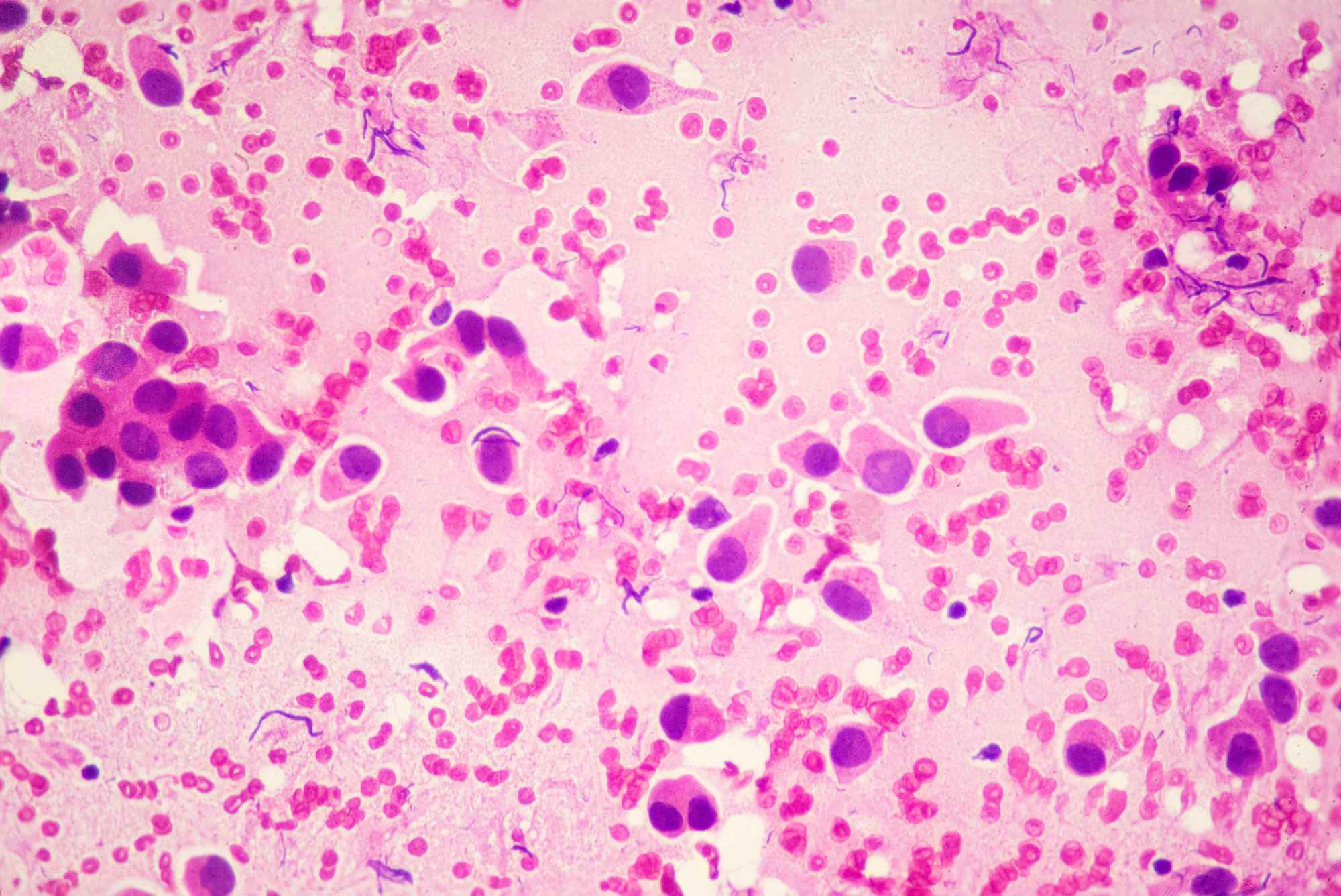
Glutathione is considered an antioxidant due to its ability to repair cellular damage. The body produces it naturally, but it is also sold as an antioxidant supplement. A study in mice and human tissue, published in Nature, shows that cancer cells can break it down and use it as fuel—particularly the cysteine it contains—promoting tumour growth and survival. “Depriving tumours of extracellular glutathione or inhibiting its breakdown is potentially a viable therapeutic strategy for cancer patients,” the authors state.

0
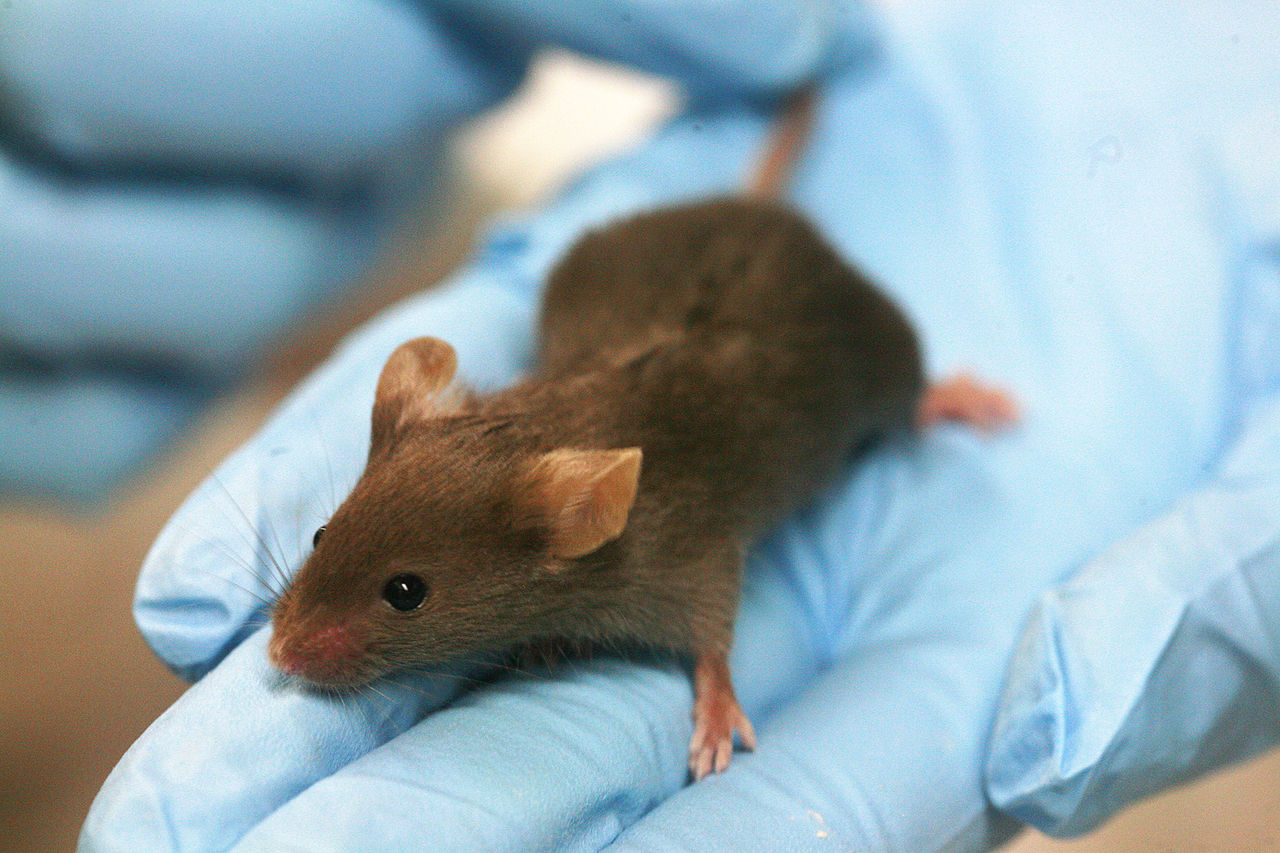
Keto diet improves results of pancreatic cancer drug in mice

A ketogenic diet improves the results of a pancreatic cancer therapy in mice, according to a study published in Nature. The US research team fed the animals a high-fat, low-carbohydrate diet before administering them a new drug, currently in clinical trials; in the absence of glucose, the body converts fat into ketone bodies. The drug blocks the metabolism of fat - the cancer's only source of energy while the mice are on this diet - and slows the growth of pancreatic tumours. 

0