The Council of Ministers has approved the draft tobacco bill, which extends smoke-free areas and bans smoking by minors
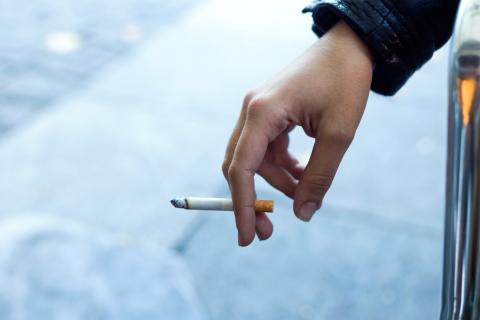
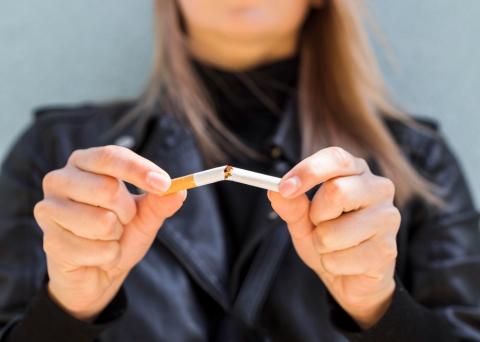
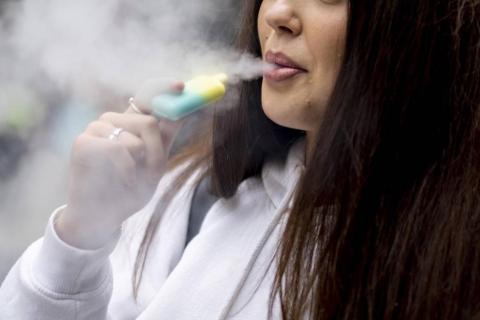
On Tuesday, the Council of Ministers approved the draft bill amending the current Tobacco Act, which was passed in 2005. The bill now begins its passage through Parliament and includes new measures to tackle smoking and regulate tobacco-related products. The text prohibits the consumption of tobacco by minors — in addition to its sale —, extends smoke-free zones to outdoor seating areas and other spaces, and restricts the advertising of tobacco-related products. It also treats e-cigarettes and other devices in the same way as traditional tobacco cigarettes, amongst other measures.

Josep Maria Suelves- ley antitabaco julio
Josep Maria Suelves
Investigador del Behavioural Design Lab en el UOC eHealth Center, vocal de la junta directiva de la Sociedad de Salud Pública de Cataluña y de Baleares y vicepresidente del Comité Nacional para la Prevención del Tabaquismo
La aprobación del proyecto de ley de modificación de la "Ley del Tabaco", largamente demandada por sociedades científicas, profesionales y ciudadanas, puede suponer un paso adelante para la salud pública en España. El texto aprobado hoy por el Consejo de Ministros amplía los espacios libres de humo y emisiones, avanza en la regulación de los nuevos productos con tabaco y nicotina, y aumenta la protección de la salud de adolescentes y jóvenes frente a los riesgos derivados del uso de cigarrillos electrónicos, shishas y otros productos con nicotina.
Para que estas medidas —que aún son proyecto de ley— surtan efecto, es necesaria su inmediata tramitación parlamentaria, indispensable para el perfeccionamiento y aprobación de la norma. Los casi 60.000 fallecimientos anuales causados por el tabaco en España son suficiente motivo para exigir que el avance de las políticas de salud pública no se vea frenado por intereses mercantiles ni partidistas. La comunidad científica y profesional está a disposición del conjunto de las fuerzas políticas para poner a su alcance la información y evidencia necesaria en el trámite parlamentario de la reforma de la ley actual.
Pese al avance anunciado hoy el Gobierno español, hay que recordar que siguen pendientes otras medidas muy efectivas y no menos urgentes, como el aumento de los precios y la implantación del empaquetado neutro del tabaco, que ya han adoptado numerosos países de nuestro entorno y que contribuirían decisivamente a la reducción de los graves problemas económicos, sociales y sanitarios derivados del uso de tabaco en España.
Ignacio Molina - proyecto ley tabaco EN
Ignacio J. Molina Pineda
Professor of Immunology and Director of the Department of Biochemistry and Molecular Biology 3 and Immunology at the University of Granada
In 1987, 56 per cent of the adult population in Spain were smokers, a figure that has fallen steadily to the current 26 per cent, whilst in countries such as Sweden it stands at just 5 per cent. The laws of 2005 and 2010 contributed significantly to this reduction but, following a sharp decline after they came into force, the rate of decline in recent years has been much more gradual. Although the WHO welcomes Spain’s efforts to continue reducing smoking rates, it is clear that a new impetus is needed to accelerate the decline in the number of smokers once again.
Therefore, and although it may initially prove somewhat unpopular, I commend this legislative initiative, which is undoubtedly a step in the right direction as it will have a very positive impact on public health.
Alberto Ruano - proyecto ley tabaco EN
Alberto Ruano Raviña
Professor of Preventive Medicine and Public Health at the University of Santiago de Compostela, researcher at CRETUS and IDIS, and Visiting Professor at Brown University (USA)
This new law is very welcome in light of the leading cause of death in Spain, which accounts for some 60,000 deaths every year (data published by our group, whose principal investigator is Mónica Pérez). It updates regulations that had become severely outdated. The restrictions on advertising and the treatment of other products in the same way as conventional tobacco are also very positive. However, it falls short and fails to address key issues such as increasing tobacco taxes.
It focuses primarily on exposure to second-hand smoke, which causes around 2,000 deaths in our country, without directly addressing active tobacco use. It has been shown that tax increases drastically reduce the prevalence of tobacco use. Furthermore, it does not regulate minors’ exposure in private settings, such as inside private vehicles (something that other countries, including some in the EU, do regulate). Recent published data (including from our group) indicate that the Spanish population would accept measures of this kind.
In summary, whilst the law is a positive step, it will not have a significant impact on tobacco-related mortality in Spain.