health policy

health policy

health policy

Urban forests are essential for climate resilience, biodiversity, and public health

An essay published today in the journal PLOS Climate examines the need for “immediate and sustained” investment to safeguard urban forests. The article reviews the necessary policies, ranging from maintenance and management to legal protections. The authors call on policymakers to “prioritize” these spaces in their strategies to combat climate change, given their positive role in climate resilience, biodiversity, and public health.

0

Policies to promote physical activity fall short

The adoption of policies promoting physical activity has increased over the last two decades, but there is limited evidence that these policies are being implemented, and physical inactivity has remained high during this period, says an article published in Nature Health. The study is based on an analysis of documents from 200 countries and interviews with 46 experts, including one from the ISGlobal research institute in Barcelona.

0

Substituting physicians for nurses in hospital interventions does not affect patient safety, says review

In certain hospital interventions that replace medical doctors with nurses, there is little or no difference in patient mortality and quality of life, according to research that brings together the results of 82 previous studies, and includes data from healthcare personnel from different specialities. "While our findings suggest there is merit in pursuing [nurse-physician substitution] as a solution to shortages and maldistribution of doctors, it is also important to consider the implications of [nurse-physician substitution] on the availability of nurses and future developments in the scope of nursing practice," the authors write in the study, published in the Cochrane Database of Systematic Reviews.

0

A review identifies what most influences polarization on health issues

A study by the University of Cádiz has identified six factors that drive polarization around health-related issues, for example during crises such as the COVID-19 pandemic: political ideology, misinformation, social media dynamics, trust in institutions and professionals, risk perception, and socioeconomic factors. This review, published in Science Advances, brings together the conclusions of 90 previous studies and analyzes how these determinants exacerbate health inequalities and influence compliance with public health measures.

0

Controversy over the Trump administration's proposal of leucovorin as a treatment for autism

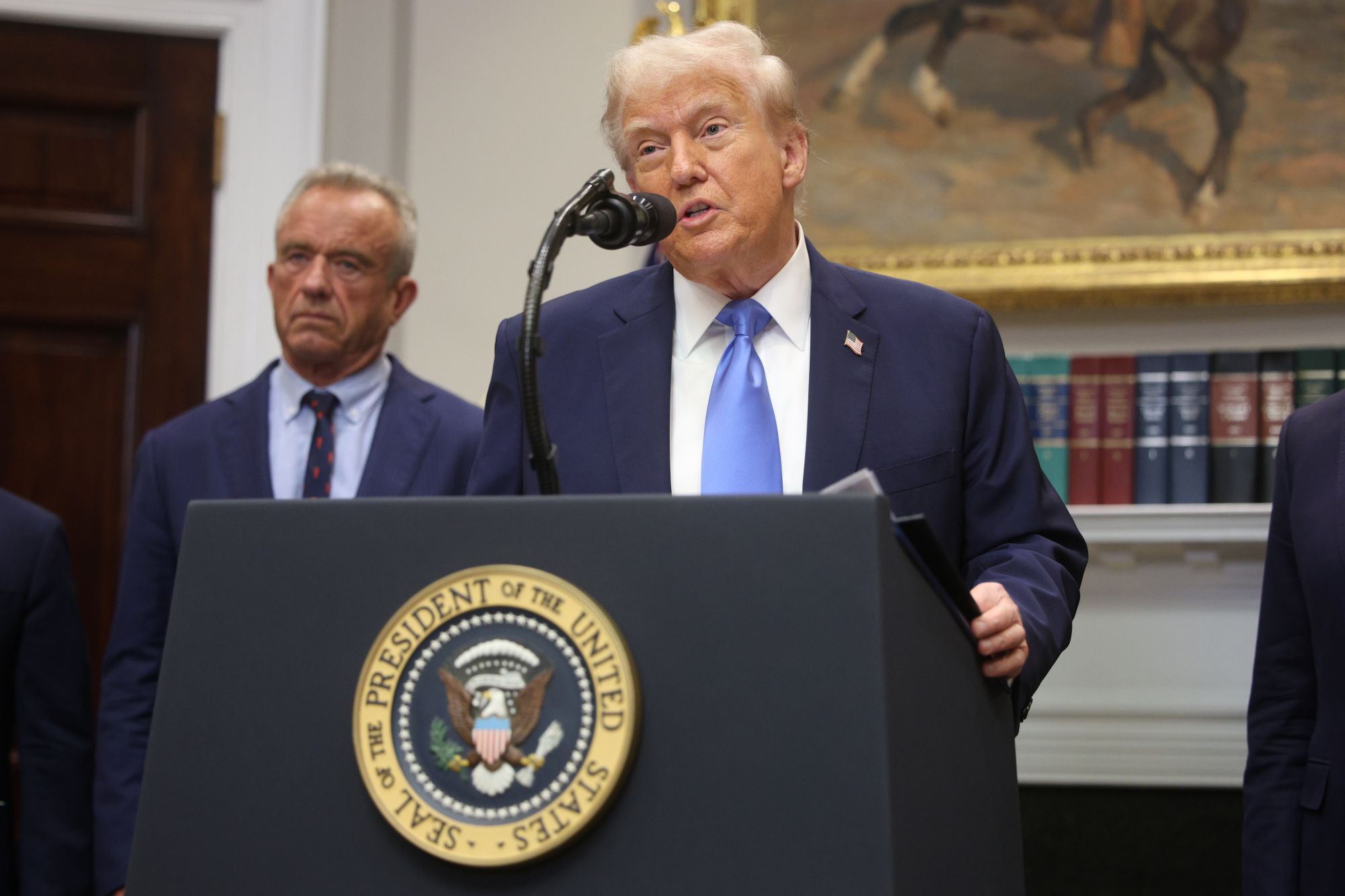
At a press conference at the White House on Monday, Donald Trump and health authorities linked the use of paracetamol during pregnancy to cases of autism. They also recommended leucovorin as a treatment for autism. Immediately afterwards, the US Food and Drug Administration (FDA) announced in a press release that it had begun the approval process for calcium leucovorin tablets for patients with cerebral folate deficiency. “People with cerebral folate deficiency have been observed to have developmental delays with autistic characteristics, seizures, and movement and coordination problems,” they said. The update on the use of the drug, discussed by the scientific community, will authorize the treatment of children with autism spectrum disorder.


0

Bisphenol A: why has EFSA lowered the tolerable daily intake, and what are the health risks?

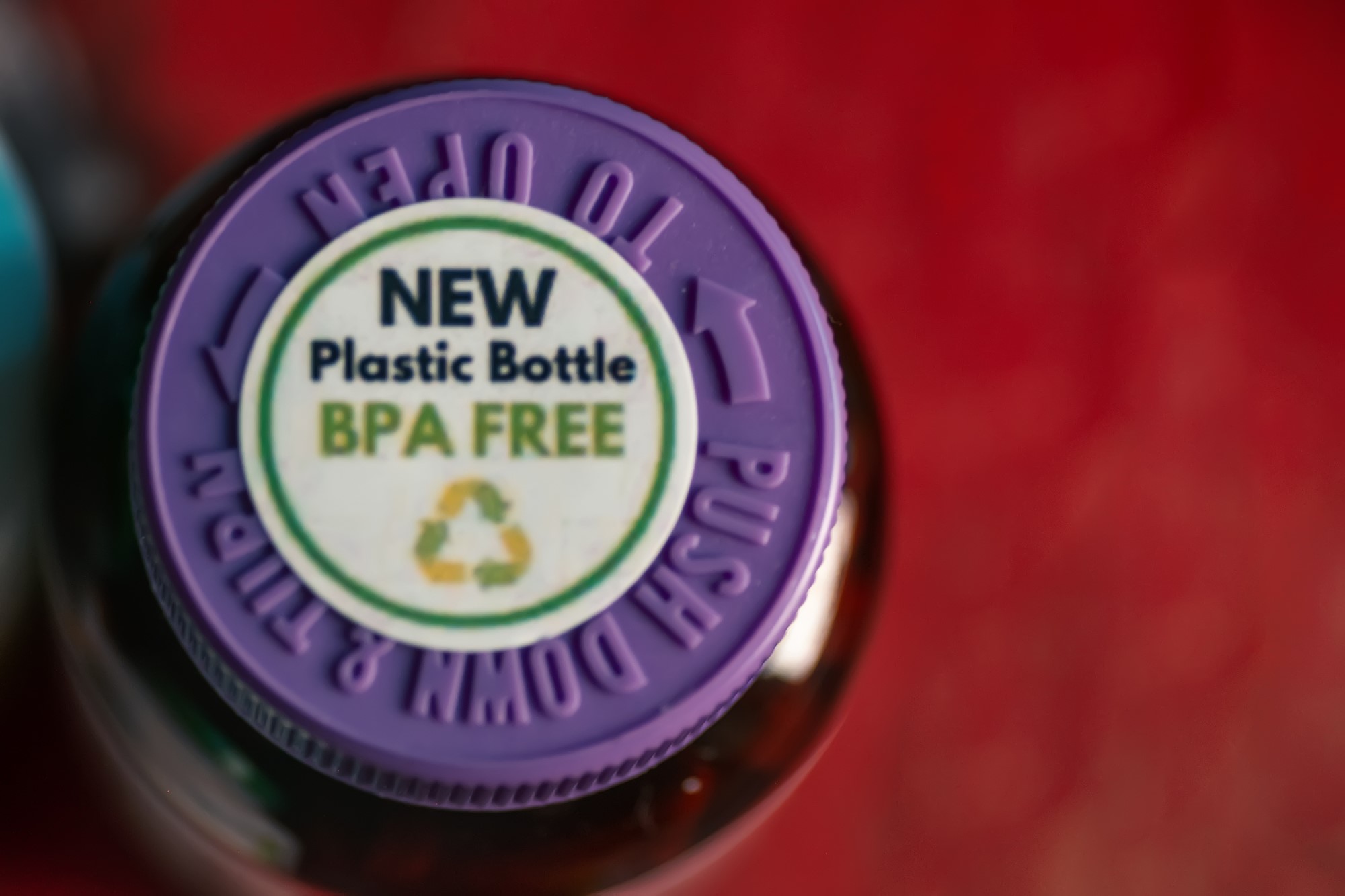
A few weeks ago, the European Food Safety Authority (EFSA) said that exposure to bisphenol A through food is a risk to human health. The agency recommended a much lower tolerable daily intake dose than it had its own previous recommendations. In this explainer, we review key facts and documents to cover this issue--which will continue to make the headlines in months and years to come.  

0

Reactions: WHO declares end of international covid-19 emergency

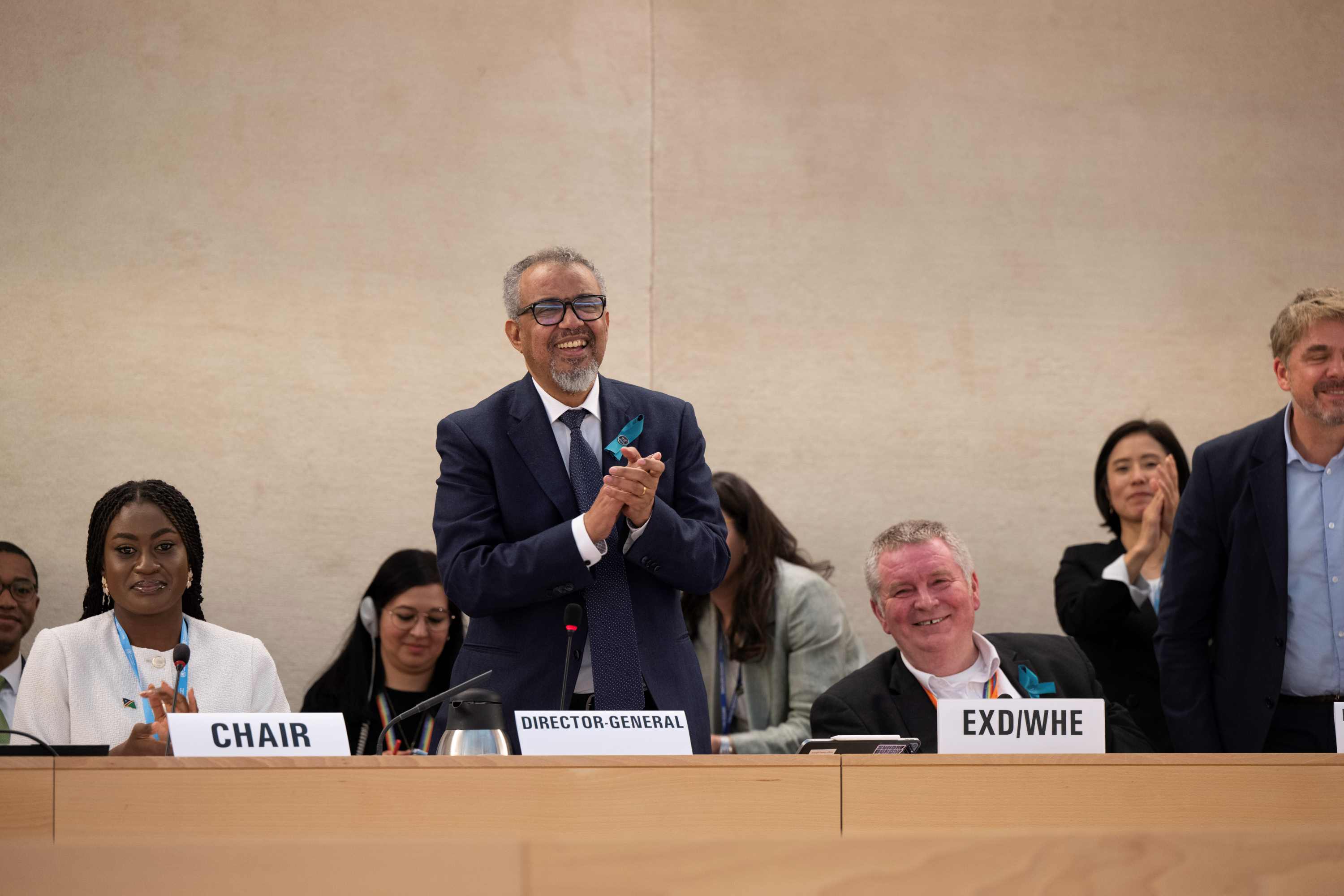
The World Health Organisation (WHO) Emergency Committee met on 4 May to assess whether covid-19 could continue to be considered a health emergency of international concern (PHEIC). The organisation's director general, Tedros Adhanom, has followed its recommendation and ended the emergency declared on 30 January 2020. "It is with great hope that I declare that covid-19 has ended as a global health emergency. However, this does not mean that covid-19 is no longer a threat to global health. Last week, it claimed one life every three minutes, and that's just the deaths we know about," he told a press conference.

0