Press Offices

Press Offices

SMC Spain amplifies the voices of experts on current topics that provoke controversy. 

¿Qué me ofrece?

The sources that collaborate with SMC Spain will multiply their national and international media impact. Register your office to become part of a directory on this website that journalists can consult. Our guides on communication and science can help you in your daily work.

Icono
Cómo trabajamos

We will rely on you when we contact sources from your organization or when we organize briefing sessions with them. We will provide you with support resources to facilitate your work. You can learn more about our method here

Título qué me ofrece
What We Offer You
Título cómo trabajamos
How We Work

CRISPR used for the first time to treat a rare metabolic disease in a baby

A team from the Children's Hospital of Philadelphia and Penn Medicine (United States) has successfully treated a baby diagnosed with a rare genetic disorder using personalised CRISPR gene editing therapy. The baby, known only by the initials KJ, was born with a rare metabolic disease known as severe carbamoyl phosphate synthetase 1 (CPS1) deficiency. After spending the first months of his life in hospital on a very restrictive diet, KJ received the first dose of his tailored therapy in February 2025, between six and seven months of age. The treatment, which is being used for the first time for this type of disorder, was administered safely, and the baby is now growing well and improving. The case is detailed in a study published by The New England Journal of Medicine (NEJM).

0

Mindfulness-based cognitive therapy effective in treating depression, says UK study

Research involving more than 200 patients with depression, whose symptoms had not improved after NHS talk therapy shows that those who took part in eight group sessions of mindfulness-based cognitive therapy saw their depressive symptoms reduced, compared with those who received treatment as usual. The study is published in The Lancet Psychiatry.

0

New drug improves narcolepsy symptoms, clinical trial shows

Narcolepsy type 1 is a sleep disorder characterised by excessive daytime sleepiness and cataplexy - sudden loss of muscle tone. Existing treatments are based on palliation of symptoms, with moderate success. Now, an international phase 2 clinical trial, involving CEU San Pablo University and other Spanish centres, published in the journal NEJM, shows the results of a new drug targeting the cause of the disorder. Overall, the benefits appear superior and no serious adverse effects were observed. According to the authors, ‘the results are promising’ and represent ‘a very significant impact on the quality of life of these patients’.

0

Oral norovirus vaccine shows positive results in phase 2 clinical trial

According to the results of a phase 2 trial, an oral norovirus vaccine generated a strong mucosal immune response and even reduced viral shedding in vaccinated volunteers. Signs of the vaccine's efficacy support its potential to address the lack of safe and reliable vaccines against this virus, which is a major cause of gastrointestinal infections worldwide. The results were published today in the journal Science Translational Medicine.

0

A drug reduces the symptoms that precede migraine in a phase III trial

A migraine treatment drug, ubrogepant, also reduces common non-headache symptoms that occur in the hours before a migraine, according to the results of a large phase III clinical trial published in Nature Medicine. The results suggest that this could be the first acute treatment for symptoms that occur before migraine and have a significant impact on daily life, such as dizziness, sensitivity to light and noise, and neck pain.

0

Design DNA fragments that control genes in mammalian cells with AI

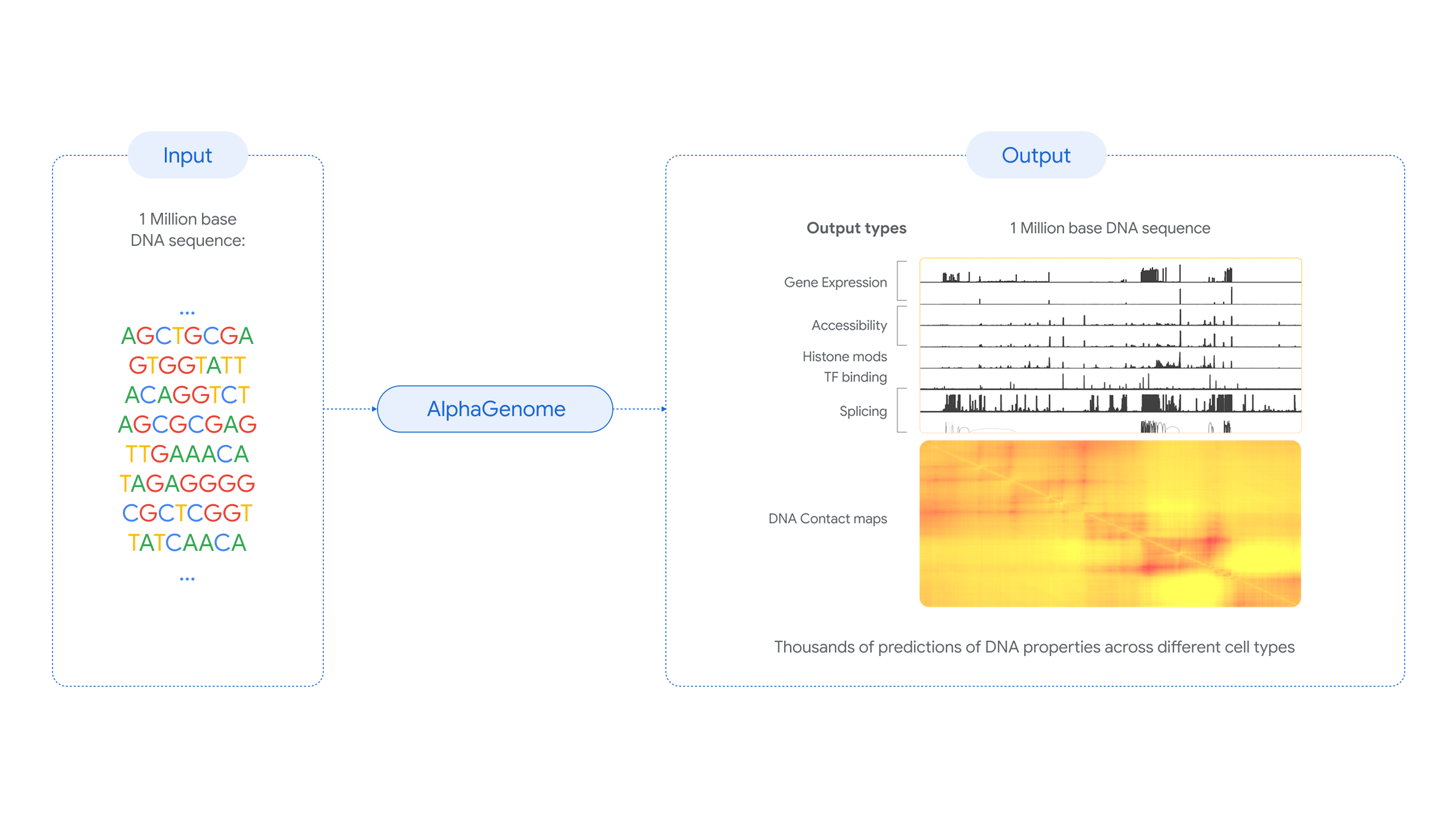
A team from the Centre for Genomic Regulation (CRG) and Pompeu Fabra University (UPF) in Barcelona has developed an artificial intelligence tool capable of designing regulatory sequences for genes that do not exist in nature. When introduced into cells, these enhancers can increase or decrease gene activity in a specific way depending on the type of cell targeted. According to the authors, ‘the potential applications are enormous. It's like writing software, but for biology.’ The results are published in the journal Cell.

0

Nearly one in five women and one in seven men have experienced sexual violence before the age of 18 worldwide

Research published in The Lancet estimates that 18.9% of women and 14.8% of men worldwide experienced sexual violence before the age of 18. The study, conducted in 204 countries from 1990 to 2023, identified significant differences between countries and regions. The authors highlight the difficulty of distinguishing whether these variations are due to real differences or to unequal levels of reporting. In Spain, the figures obtained in this systematic review are 10.8% for girls and 12.2% for boys. 

0

Phase 1 trial tests “weaponized” CAR-T cell therapy to improve lymphoma response

A phase 1 clinical trial has tested the safety and preliminary efficacy of a new form of CAR-T cell therapy - which they call “armed” - in patients with lymphoma. The novelty consists of adding another gene to help increase response. Of the 21 patients treated, all resistant to multiple lines of treatment including approved CAR-T therapies in 20 of them, 81% showed a response and 52% went on to achieve complete remission without significantly greater side effects than with the standard option. The results are published in the journal NEJM.  

0