Spanish researchers publish the “human repairome,” a catalog of the traces left by DNA repair after breaks
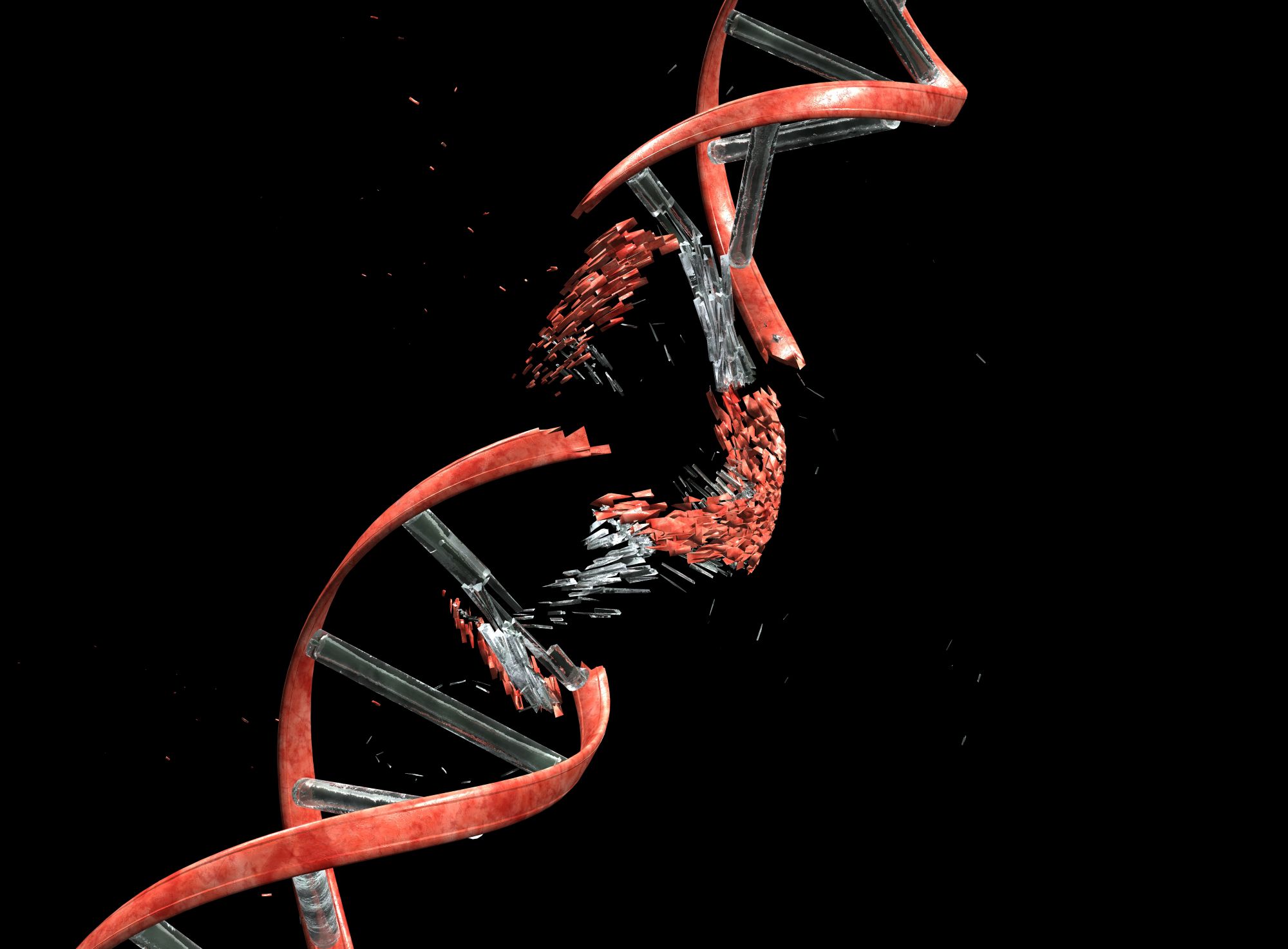
The very functioning of the cell itself or stresses such as those caused by sun exposure can cause breaks in our DNA, which must be repaired. A study developed by the CNIO has completed a catalog of how each of our genes affects the repair of some of these breaks and how they influence the resulting "scars." The catalog, which they have called the "human repairome," will be openly available. According to the researchers, whose work is published in Science, it will have "implications for human health, including the biology and treatment of cancer, as well as for efforts toward total control of CRISPR-Cas gene-editing technologies".
Aguilera - Reparoma (EN)
Andrés Aguilera
Professor of Genetics at the University of Seville and head of the Genomic Instability and Cancer group at the Andalusian Center for Molecular Biology and Regenerative Medicine (CABIMER)
The authors analyzed the effect of inactivating more than 18,000 human genes, one by one, on the repair of chromosomal breaks. They inactivated each gene using the CRISPR technique and determined the pattern of deletions and insertions that accumulate as a result of this repair. Through an elaborate computational analysis, they were able to establish common patterns among different inactivated genes.
The finding that the inactivation of known repair genes exhibits the same patterns, as well as an in-depth analysis of some specific mutations, validates the study. Not only have they managed to define the imprint left by breaks when specific repair genes and processes fail to function, but they have also discovered new functions and genetic interactions of repair proteins, which will require further analysis in the future. An extremely useful database has been generated for the study of DNA repair and its association with specific mutation patterns that can be found in different tumors.
The work is highly innovative, establishing functional connections between different genes and repair processes through the footprint their deactivation leaves in the genome, measured as nucleotide deletions and insertions.
The work is of excellent quality, validated by the identification of already known networks of functional interactions between genes, as well as new ones. It can be used to assign tumor groups to mutations in specific repair genes based on the pattern of deletions or insertions accumulated by these tumors, in addition to establishing new functional relationships between different cellular processes.
[Regarding possible limitations] The study was conducted in two cell types, one normal and one tumor-derived. Although there is a high degree of coincidence in results between the two cell lines, there are also differences, which corroborate the need to confirm any new results according to the cell type studied or the type of cancer analyzed.
Depending on the pattern obtained for a tumor type, appropriate strategies should be defined to guide therapies based on the affected repair pathway as inferred from the pattern of associated deletions and insertions.
Conflict of interest: "Felipe Cortés-Ledesma [lead author of the article] completed his doctoral thesis under my supervision more than 20 years ago. Before joining the CNIO, he was Principal Investigator at our CABIMER center, a period from which we have a collaboration pending publication. None of these circumstances influence my view of the work his group is doing".
Carreira - Reparoma (EN)
Aura Carreira Moreno
Scientific researcher at the CSIC at the Severo Ochoa Center for Molecular Biology
This study, published in one of the most prestigious scientific journals, presents a powerful tool for research into cancer and gene editing.
Although studies in this area have already been conducted on approximately 500 genes, this new work offers an unprecedented advance: a comprehensive interactive catalog that shows how each of the nearly 20,000 human genes influences DNA repair.
This tool, called REPAIRome, allows researchers to identify the impact of mutations even in genes not previously related to DNA repair. Thanks to it, it will be possible to explain certain genetic patterns observed in patients that until now had no clear cause and improve the diagnosis of cancer and other diseases linked to these patterns.
Furthermore, REPAIRome will accelerate future discoveries in fields such as gene editing by enabling greater precision in DNA modification, for example, for the treatment of genetic diseases. It is a powerful tool that opens new doors for both basic research and personalized medicine.
[Regarding potential limitations] Although this tool represents a major research breakthrough, the study was conducted in two model cell types. This means that in other cell types, some of the genes involved in DNA repair might be different. This variability is not only expected, but could be useful: identifying differences between normal and cancerous cells could uncover specific weak spots in cancer, allowing for the design of more precise treatments that do not harm healthy cells.
Ernesto López de Alba et al.
- Research article
- Peer reviewed
- Experimental study
- People