mental health

mental health

mental health

A global review reveals links between screen use and various child health outcomes

A global review, which analysed 23 meta-analyses containing data on nearly three million children across 64 countries, identified associations between screen use and various aspects of children’s mental health and development. According to the authors, these findings may help to inform and refine guidelines and policies on screen use. The results are published in the journal JAMA Pediatrics.

0

A small pilot study examines the reduction in the consumption of ultra-processed foods among patients with depression

A pilot trial assessed the feasibility and acceptability of reducing the consumption of ultra-processed foods in the diets of patients with major depressive disorder. The study, which involved twenty participants from the United States, has been published in the journal JAMA Psychiatry and shows that scores for depression and anxiety were lower during the period of reduced consumption of ultra-processed foods than during the period of their usual diet. According to the authors, this is an exploratory study – in the form of a Research Letter – and, “at best, it generates hypotheses”.

0

A study links air pollution to an increased risk of suicide or suicidal thoughts

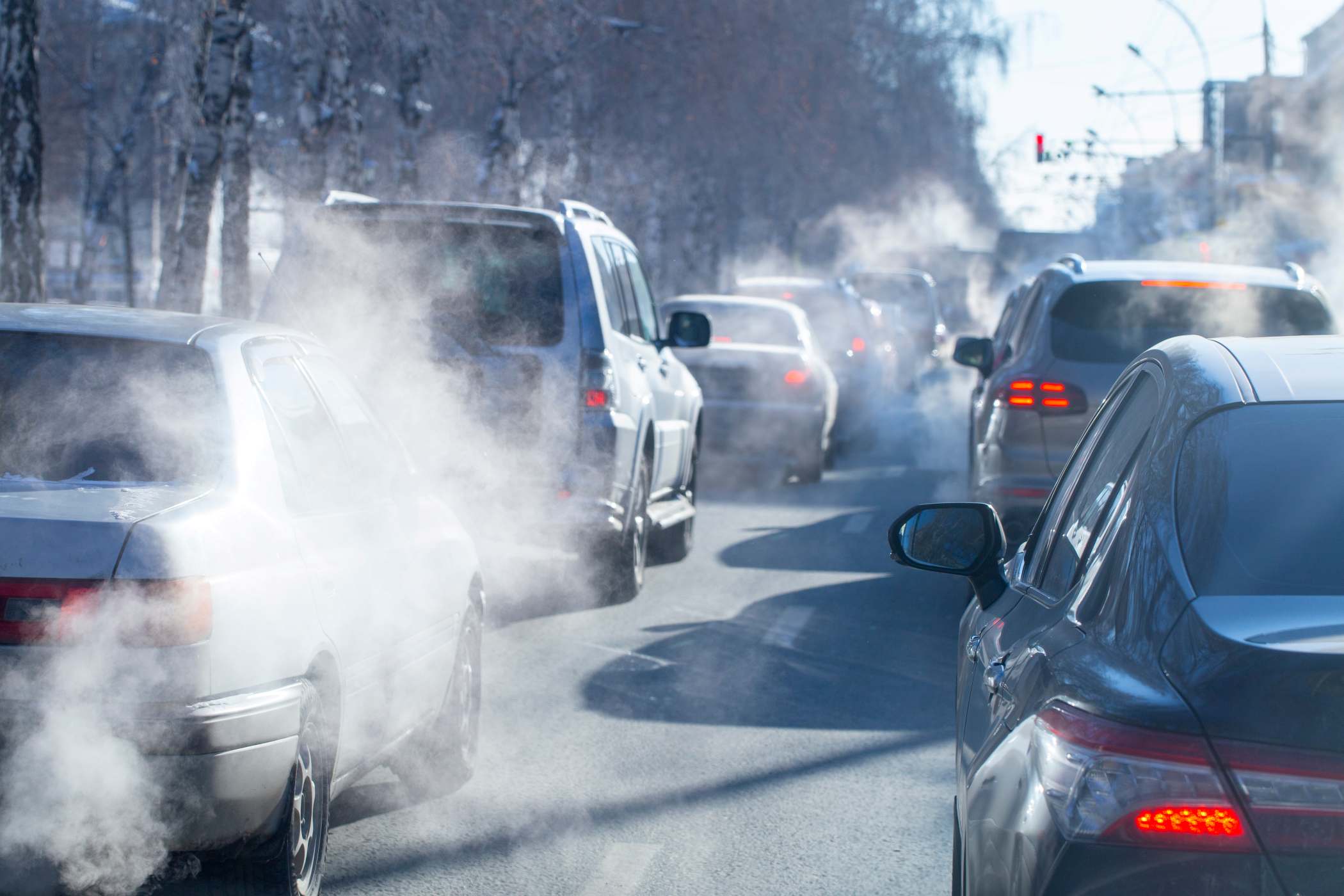
A meta-analysis has examined the relationship between four environmental exposures – air, noise, light and water pollution – and the risk of death by suicide, suicide attempts and suicidal thoughts. The research shows an association between these three events and exposure to various air pollutants. Specifically, the study, published in the Journal of Epidemiology & Community Health, links these three events to short-term exposure to particulate matter (PM2.5 and PM10) and long-term exposure to PM2.5 and nitrogen dioxide. The research encompassed 45 studies, 29 of which were included in the meta-analysis and 16 in a systematic review. In the review, the authors found possible associations between suicide and other air pollutants (including sulphur dioxide and ozone) as well as noise pollution. By contrast, no significant associations were found with either light pollution or water pollution.

0

Most young Australians intended to continue using social media, even if the ban came into force

A study published in the journal JAMA Network Open assessed the attitudes of Australian teenagers in the context of the implementation of minimum age restrictions on social media use in their country. The research team found that the majority of respondents expressed their intention to continue using social media after the regulations came into force, despite the fact that, in this sample, symptoms of anxiety and depression were associated with a history of social media use and with a younger age at the time of first use.


0

Dementia is on the rise in several countries in Latin America and the Caribbean, according to a two-decade study

A new study reveals that the proportion of adults with dementia has risen significantly in Mexico, Peru and Puerto Rico over the last two decades, rising from one in ten older adults to almost one in six; a trend that runs counter to that seen in the US and other wealthy countries. Rates remained stable in Cuba and the Dominican Republic. The authors urge investment in prevention, dementia screening and care infrastructure. The study is published in JAMA Neurology.

0

Young people are seeking more help for symptoms of anxiety and depression, but the number of diagnosed disorders is not increasing, according to a study in Norway

A team of researchers analyzed data on mental health consultations among people aged 10 to 46 in Norway’s primary care system from 2010 to 2024. They observed significant increases in consultations for symptoms of anxiety and depression, particularly among young people and especially among women. However, the proportion of consultations coded as disorders increased only slightly or remained stable. The authors suggest that this discrepancy may be due to changes in help-seeking behavior when experiencing psychological distress and in diagnostic practices, rather than an increase in mental health problems. Furthermore, they note that the growing volume of consultations for symptoms poses a challenge for primary care physicians, one that could be addressed through psychoeducation or digital interventions. The article is published in the Journal of Epidemiology & Community Health, part of the BMJ Group.

0

A study shows that some AI models can simulate emotions, which could serve as a tool for studying mental health

Six state-of-the-art large language models (LLMs) based on artificial intelligence (AI) can simulate human emotions such as fear, sadness, and anxiety, according to a study published in the journal The Lancet Digital Health. The authors clarify that these are metaphorical reactions on the part of the algorithms, but suggest that this could open new avenues for developing and testing conversational therapy techniques aimed at treating mental health disorders.

0

‘Criticoma’ concept proposed to address critical periods of brain development up to young adulthood

An article published in Brain Health proposes using the concept of the ‘criticome’ to refer to the sensory, motor, social, cultural and environmental information recorded from pregnancy up to the age of 25, which is the period of greatest brain plasticity. According to the authors, this concept reframes autism, schizophrenia and depression as developmental disorders rather than purely synaptic disorders. Besides, they say this approach would have implications for educational policy, mental health care and screen use, amongst other issues.

0

A study claims that social media bans for teenagers lack evidence and may carry risks

A team from the University of California (USA) has published an article questioning the scientific evidence supporting bans on social media for teenagers. Among other reasons, they argue that studies conducted to date on restricting social media use have focused on adults. Furthermore, as one of the authors points out in a press release, these restriction experiments "show weak, negligible, and mixed effects, with 40% of experimental studies reporting harmful effects (e.g., lower life satisfaction and increased loneliness) or no effect from social media restrictions." Some of the authors, whose article is published in Frontiers in Developmental Psychology, declare having ties to companies in the social media industry.

0

Nearly 1.2 billion people worldwide suffer from mental health disorders

In 2023, 1.17 billion people suffered from a mental health disorder, compared to 599 million people in 1990, according to a global study published in The Lancet. Women experienced higher rates of anxiety and depression, while neurodevelopmental and behavioral disorders—such as ADHD or autism—are more common in men. The highest incidence was observed among those aged 15 to 19, which, according to the authors, underscores the need for early prevention and targeted support for this age group.


0