sustainability

sustainability

sustainability

Reactions to a model of energy use reduction for higher-income households

Capping the consumption of European households who consume most energy - those with the highest incomes and education levels - could achieve "considerable emissions reductions", according to a UK research team. This benefit could also be achieved by simultaneously increasing the consumption of the poorest and most vulnerable users. The analysis, published in Nature Energy, estimates that limiting the energy use of the top 20 % of consumers in 27 countries in Europe would reduce emissions from domestic energy consumption by 11.4 %, 16.8 % from transport, and 9.7 % from total energy consumption. The article states that the association between high income and high energy consumption is particularly strong in countries such as Spain, where income inequality is relatively high.
0

Reactions: Oceans Treaty goes ahead after more than 15 years of negotiations

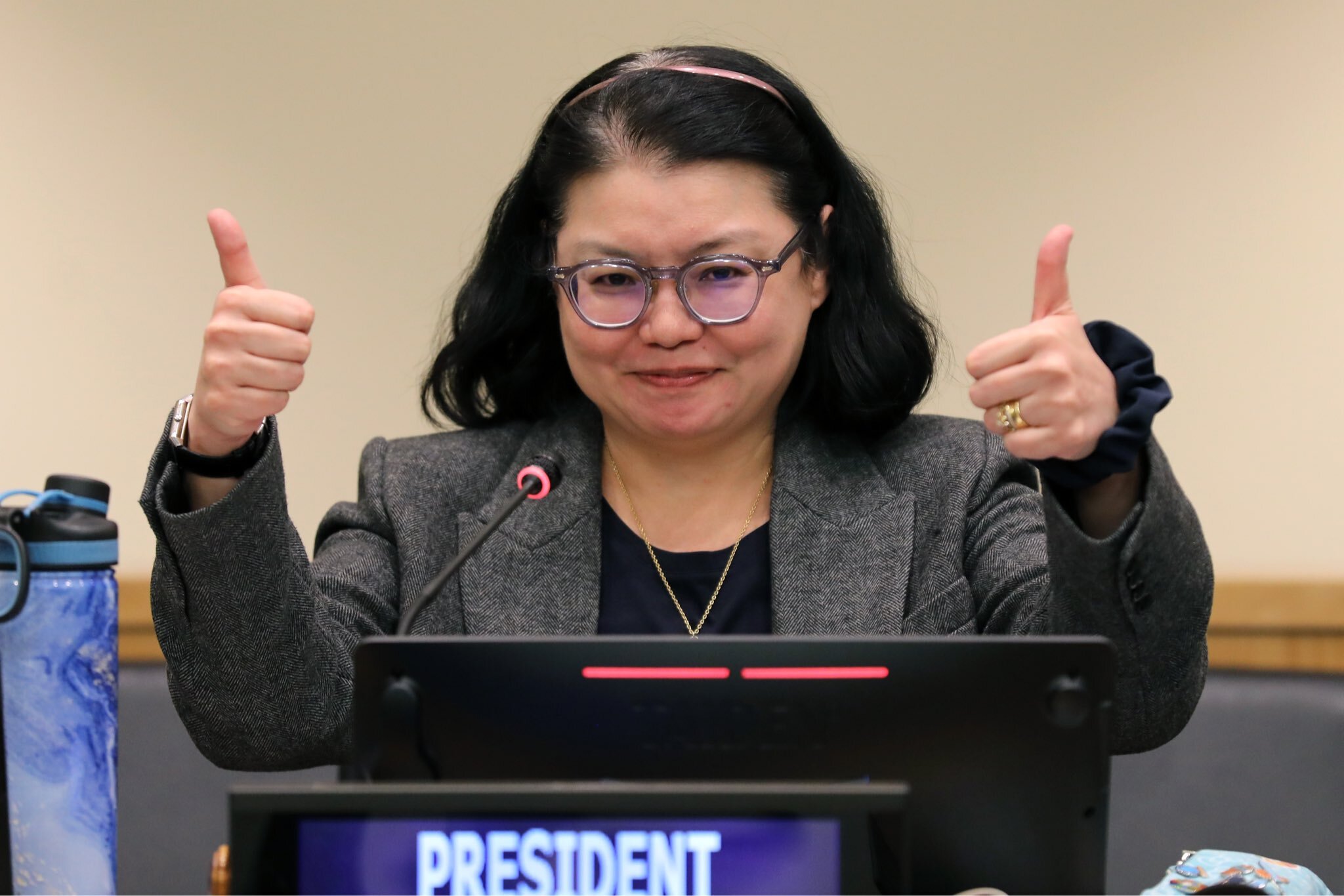
The deadline passed and after two marathon nights of meetings, the delegations of the UN member states have managed to reach an agreement to make the so-called Oceans Treaty - or BBNJ Treaty, Biodiversity Beyond National Jurisdiction - a reality. New York City has seen the fifth session of this conference bear fruit with an agreement on the wording of the text, seventeen years after the talks began and with negotiations stalled last August due to a lack of agreement. The Treaty aims to protect and regulate the use of areas beyond national jurisdiction, which account for more than 60% of the oceans, or almost half of the planet. Marine genetic resources and how to share these benefits has been one of the main stumbling blocks.

0

A roadmap for the sustainable development of Mar Menor

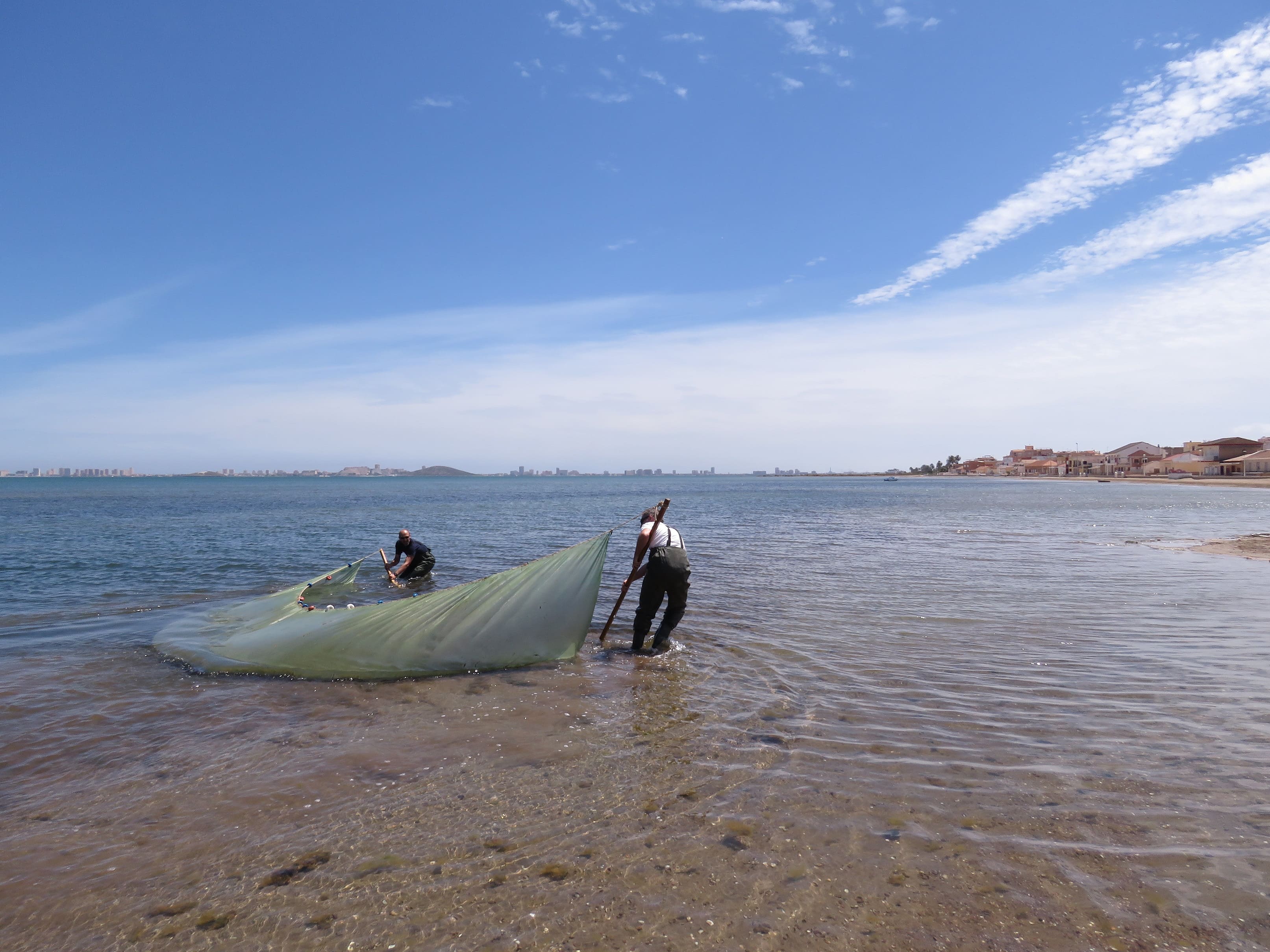
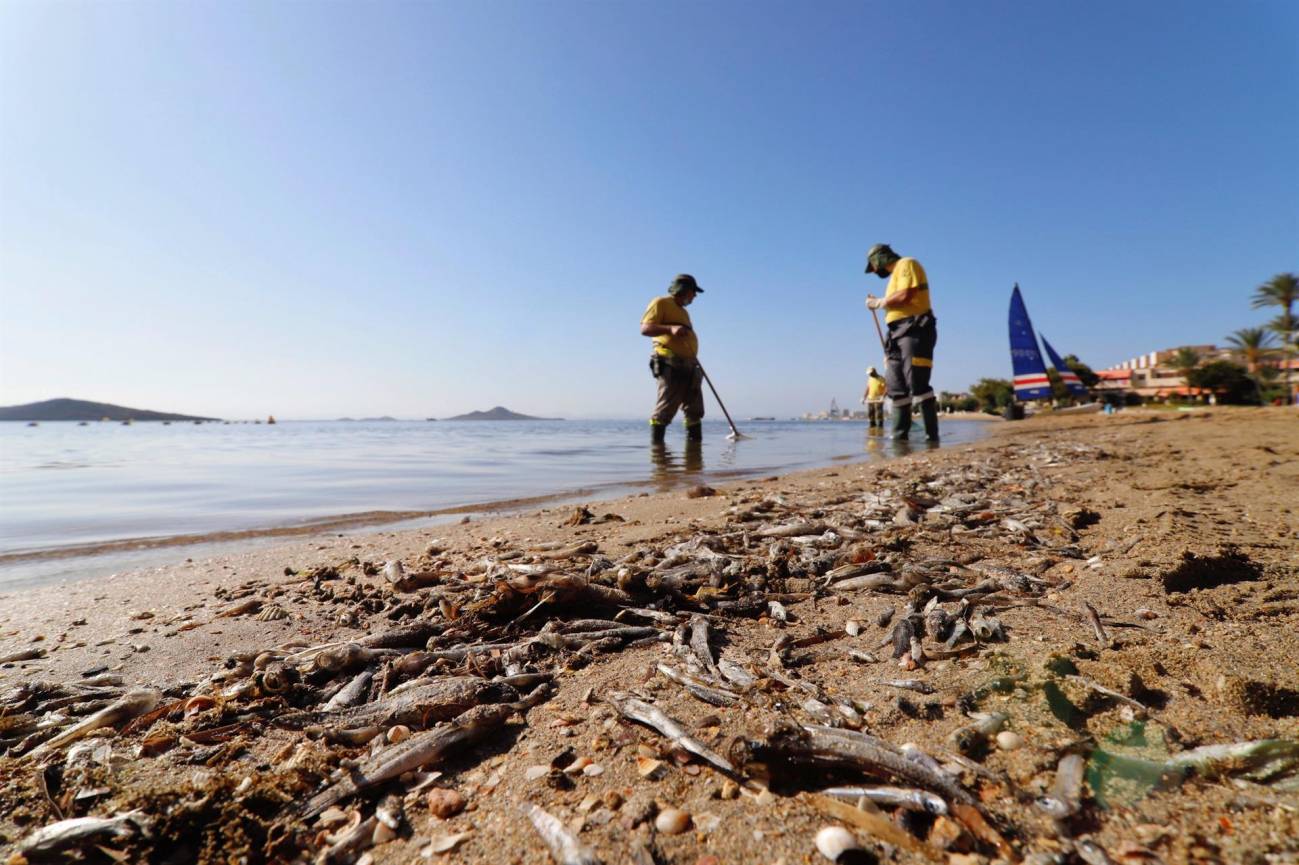
It is one year since the last episode of dead fish in the Mar Menor and six years since its collapse in 2016.  In the European project COASTAL we propose 14 solutions for the sustainable development of the Mar Menor and Campo de Cartagena in collaboration with representatives of the agriculture, tourism, fishing, salt marshes, public administrations, NGOs and research sectors.

1

Reactions to research warning of low impact of Sustainable Development Goals on public policy

The UN-driven Sustainable Development Goals (SDGs) have influenced governments' narratives around sustainability, but have not led to substantial changes in legislative action or resource allocation, according to an analysis published in the journal Nature Sustainability that has analysed more than 3,000 studies.