fires

fires

fires

Sixth-generation wildfires: what they are, how climate change affects them and ways to prevent them

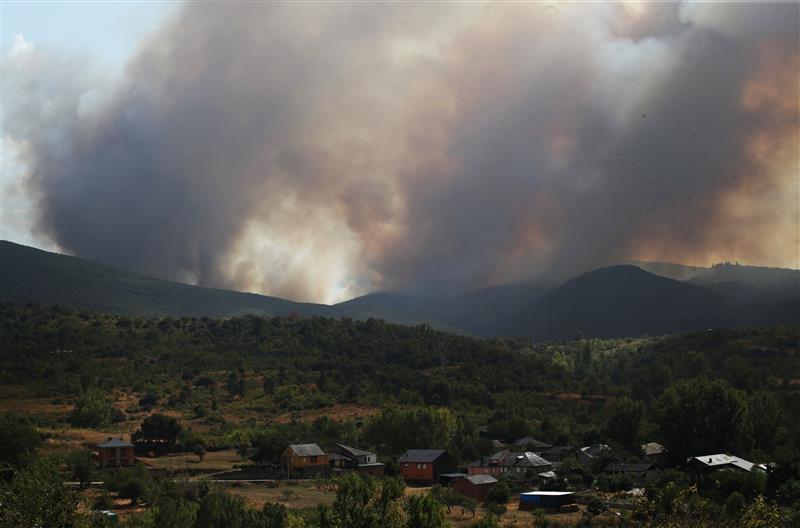
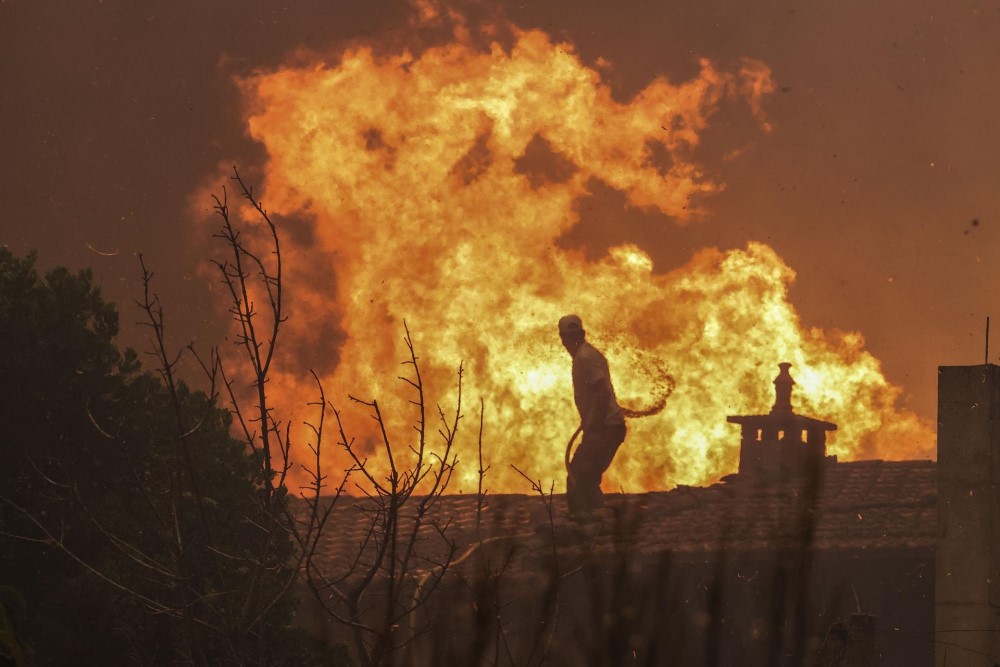
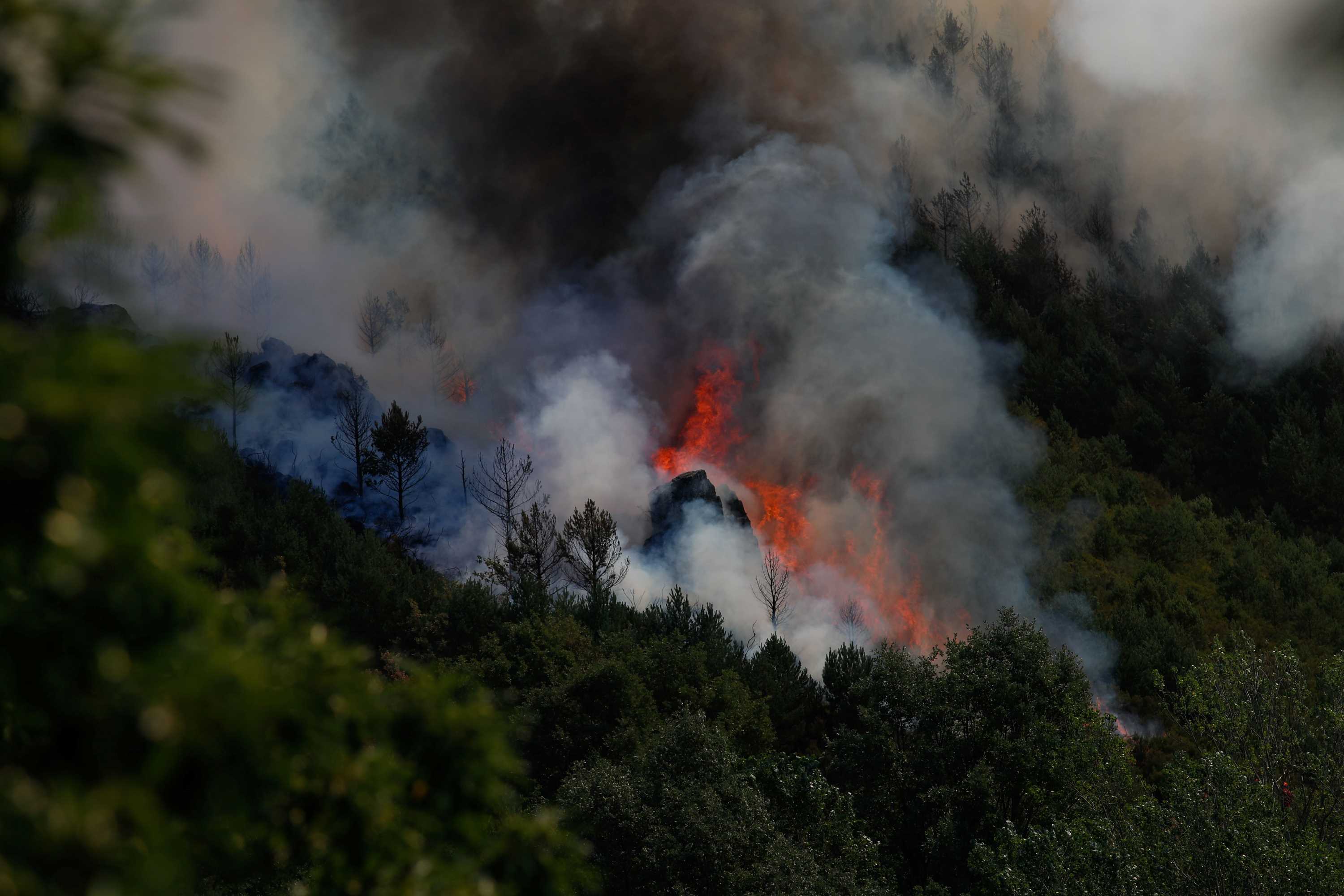
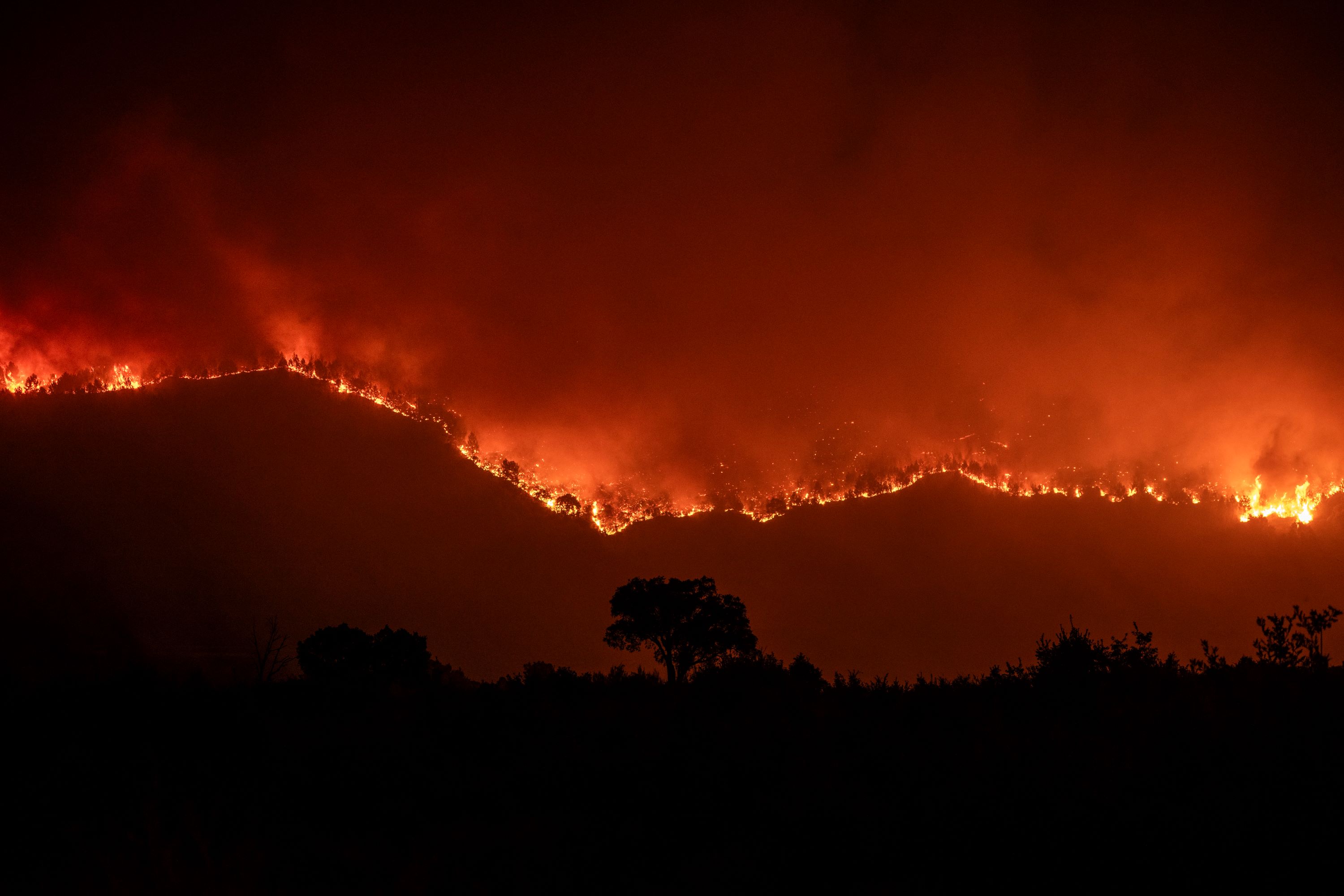
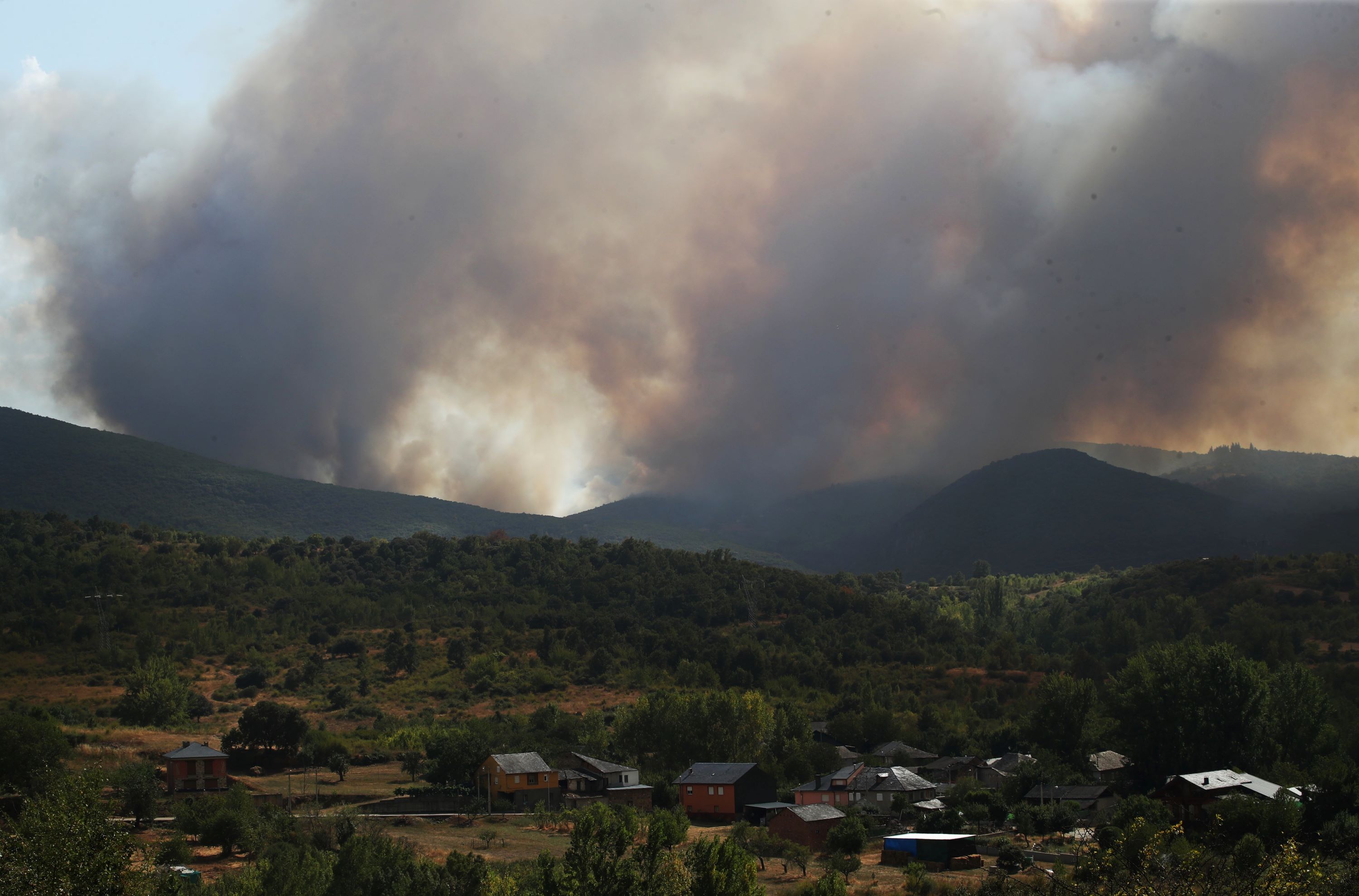
Rising temperatures, droughts, heat waves and abundant untreated material in forests are the perfect cocktail for fires to break out. When they are beyond the control of firefighting services - because of their intensity, speed and unpredictability - we speak of mega-fires or sixth generation wildfires, a phenomenon that is not new but whose frequency could increase due to rural abandonment and climate change. Some experts have thus described the fire in Tenerife that began on August 15 and has forced the evacuation or confinement of thousands of people.

0

How to prevent large forest fires in a context of climate change

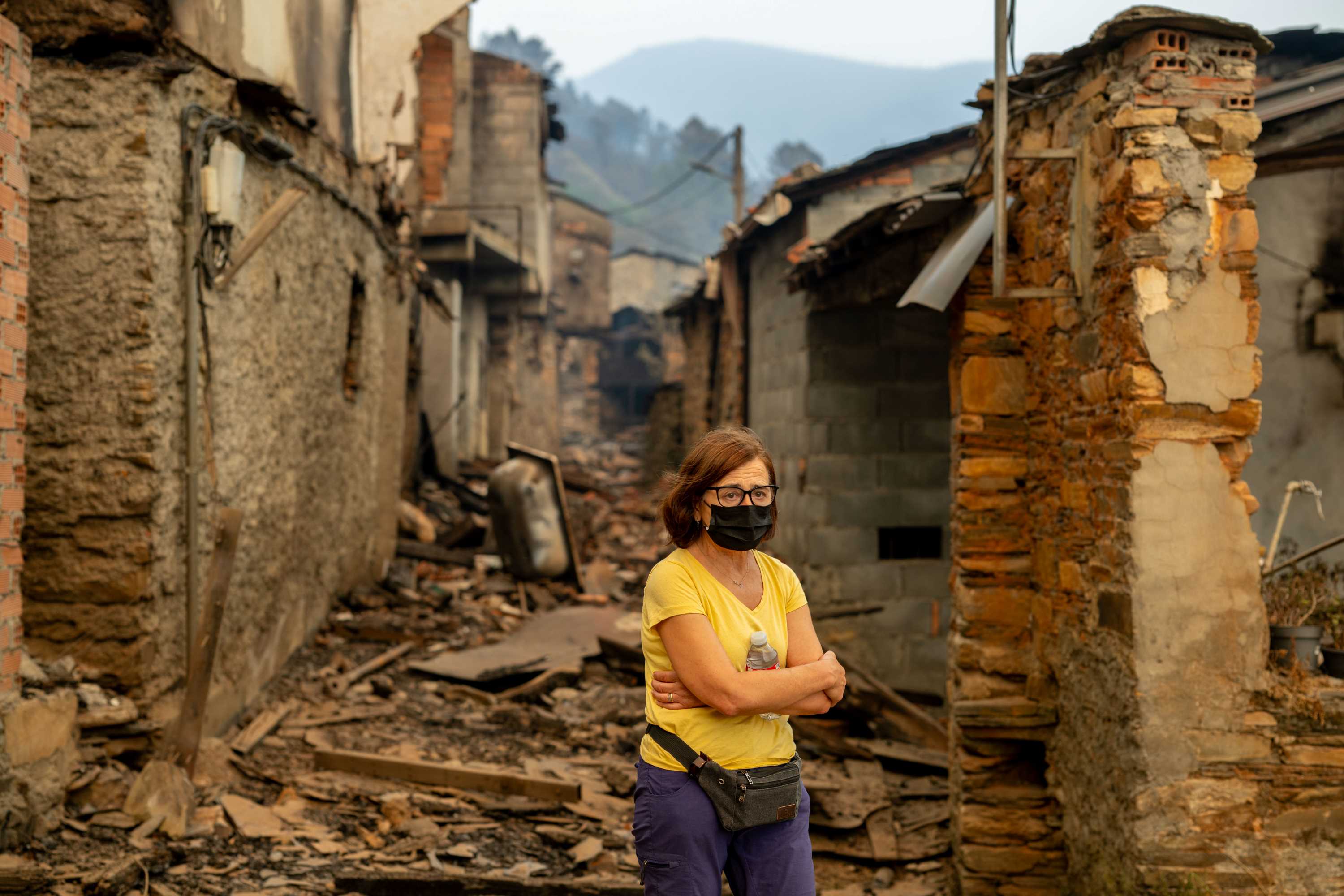
The fires in Hawaii, which have left at least a hundred dead and hundreds missing, have devastated entire towns and villages and have put the issue of how to prevent such intense fires back on the table. World Wildfire Prevention Day is celebrated this Friday 18 August. The increase in the occurrence and recurrence of large wildfires jeopardizes the resilience of socio-ecological systems. Efforts in prevention must be a priority and constant throughout the year. We have a joint responsibility as a society to face this unprecedented problem, which will worsen in the coming years.

1

The territorial model and forest fires: a change in vision is needed

We are finding fires that exceed the maximum extinguishing capacity of the resources that are being asked to control them by 4 or 5 times, which is nonsense, as well as recklessness. We should ask ourselves about our territorial, social and economic model for dealing with this situation so that we do not leave the fire-fighting services with this intractable and unsolvable problem.

1