fires

fires

fires

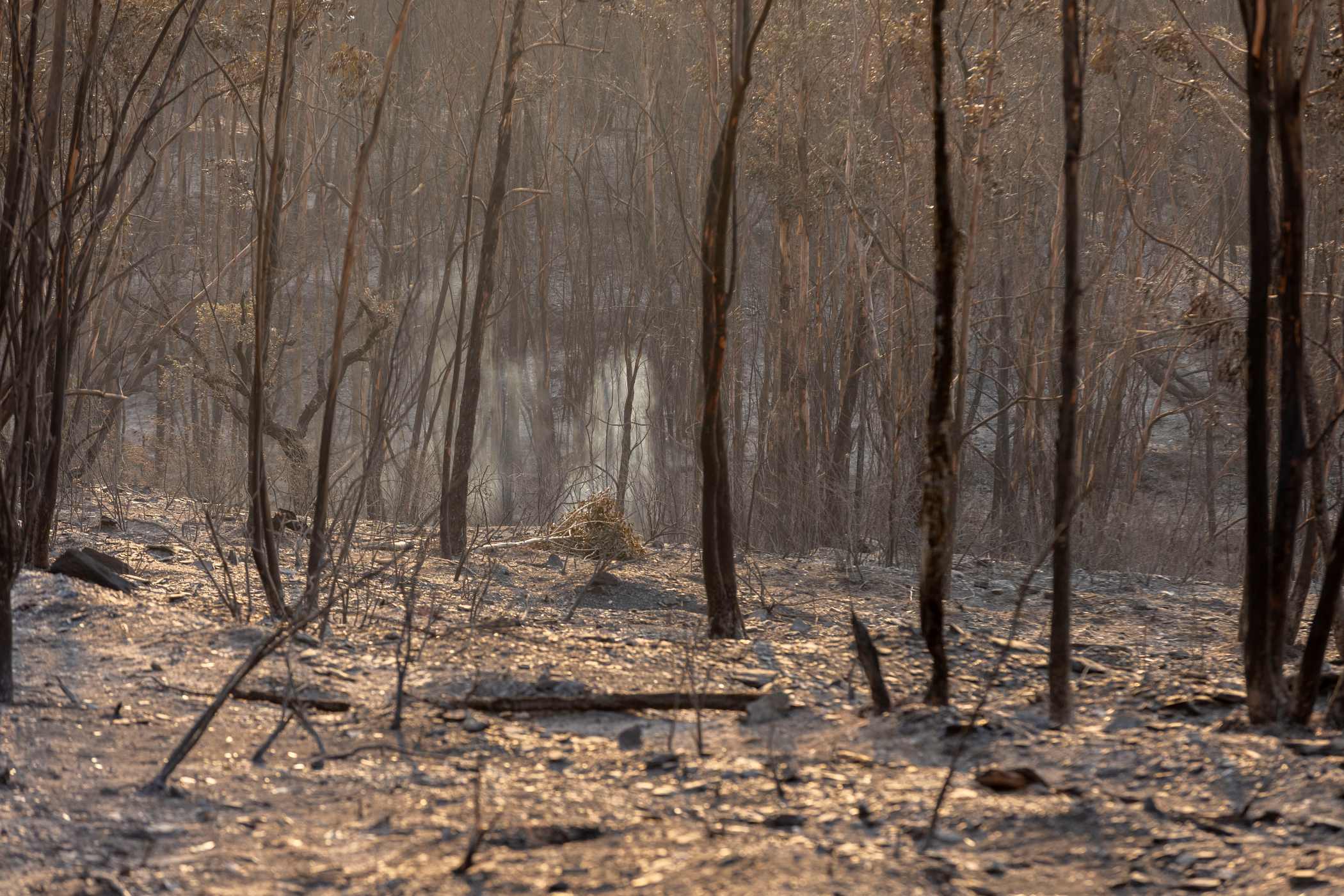
The area affected by forest fires in Europe could almost triple by the end of the century

A team of researchers in Germany has analyzed various factors to estimate the potential annual forest area burned in Europe by the end of the century. According to their findings, in a low-emissions scenario, the area burned would increase by 39%, while it could almost triple in a high-emissions scenario. However, improvements in fire management have the potential to significantly limit these projections. The authors, who published their work in the journal Global Change Biology, point out that “while reducing emissions is essential to lessening the impact of fires, the results also show that improvements in prevention, early detection, and firefighting play a key role in helping to reduce the extent of the affected area."

0

The rapid spread of extreme fires can lead to long-term changes in vegetation

A study published in Science Advances has shown that areas affected by extreme wildfires – characterised by rapid spread and great difficulty in extinguishing them – have lower tree cover and reduced resilience compared to less intense fires, which may lead to long-term changes in vegetation. The team analysed 32.1 million hectares of coniferous forest in Canada and the western United States that were affected by fires between 2012 and 2023. Of this area, more than a third was burnt by extreme fires. In these cases, they observed that the faster the fire front advances, the greater the size and severity of the fire and the greater the distance from seed sources for the surviving trees, paving the way for long-term changes in vegetation.


0

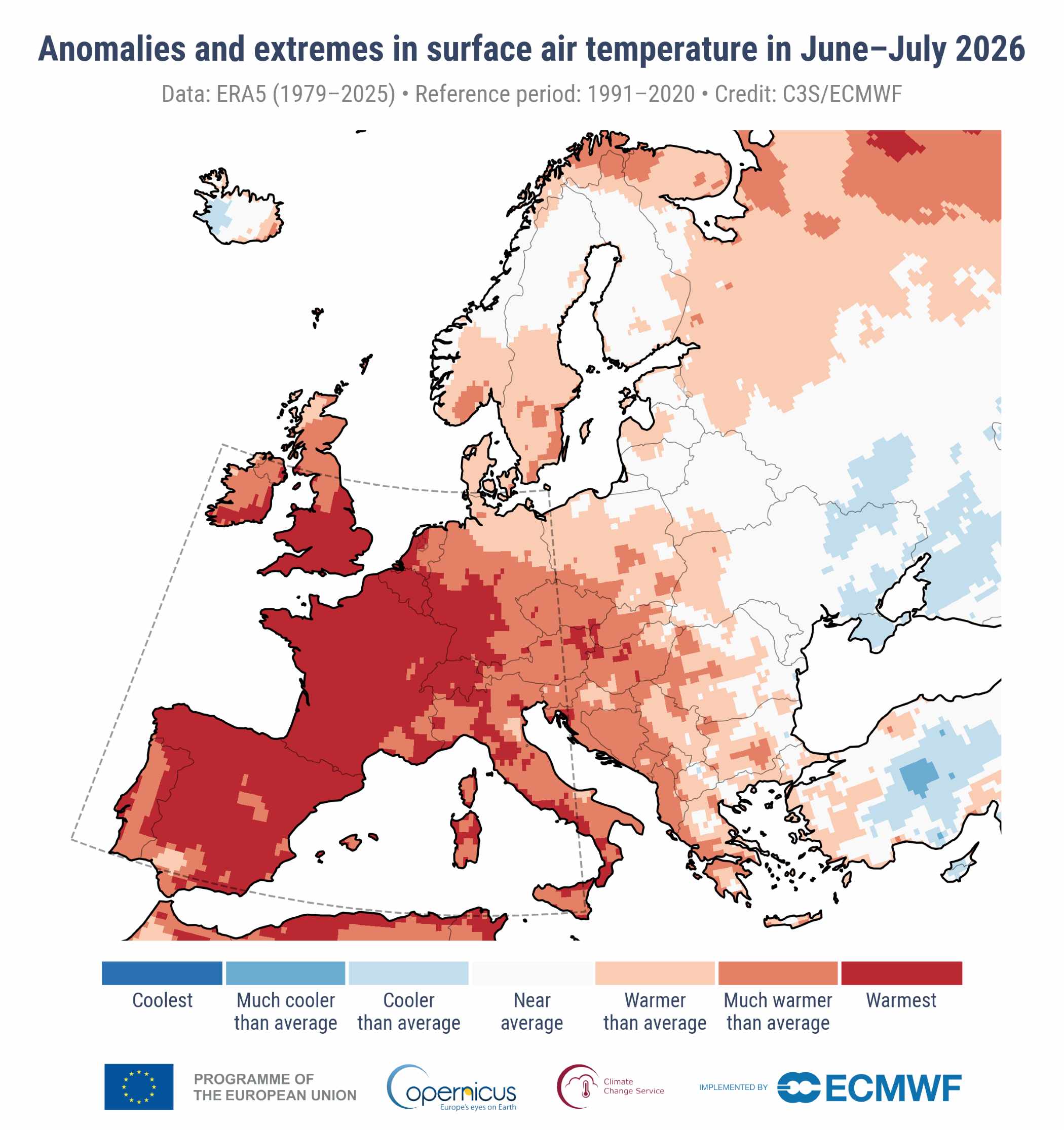
Record-breaking heat in June and July fuelled the wildfires in Spain and France, as shown by Copernicus data

Western Europe experienced its hottest June–July on record, according to data from the Copernicus Climate Change Service (C3S). July saw the third and fourth heatwaves since May, marking an exceptional spell of extreme heat this summer. Across much of the region, the drought observed in May and June also persisted and intensified, with exceptionally low rainfall and soil moisture in France, Spain, parts of Germany and the United Kingdom. These hot and dry conditions in Western Europe led to the spread and intensification of last month’s extreme wildfires in countries such as Spain and France, according to the report.

0

As major fires rage, hospital admissions for respiratory problems are on the rise in Spain

A study led by the Carlos III Health Institute (ISCIII) shows that, between 2013 and 2018, on days when fires were recorded, there was an increase in A&E admissions for respiratory problems in nine Spanish provinces. At a briefing organised by SMC Spain, Cristina Linares and Julio Díaz, the study’s authors and researchers at the ISCIII, explained the implications of the research and called for a surveillance plan, alongside the monitoring of these harmful particles and compounds, in the face of increasingly severe wildfires.

0

A study attributes the “extreme” weather conditions that fuelled the fires in Spain and France to climate change

Human-induced climate change has made the ‘extreme’ weather conditions that fuelled the recent wildfires at least twice as likely in France and 20 times as likely in Spain, according to a new analysis by World Weather Attribution (WWA). The team analysed historical weather observations and used the Daily Severity Index (DSR), which incorporates heat, drought and wind conditions and reflects the difficulty of extinguishing a fire. The researchers examined the seven-day period with the highest DSR in south-western France and central Spain, where the fires occurred, and compared it with simulations of a pre-industrial climate. According to the study, under current climate conditions, events of this intensity are projected to occur once every 20 years in south-western France and once every six years in central Spain.


0

Weather conditions conducive to wildfires have worsened significantly in Spain and France

In some areas of Spain and France, the intensity of weather conditions that favour wildfires — heat, drought and wind — increased by up to 50 per cent between 2016 and 2025, compared with the period between 1981 and 2010. This is one of the conclusions of a study carried out by a team including Spanish researchers, which analysed national records of forest fires in southern Europe – Spain, Portugal, France, Italy and Greece – alongside meteorological and climatic data from 1981 to 2025. The data, published in Scientific Reports, show that the number of days with conditions conducive to fires also increased in some areas of these countries. However, the annual number of fires over the last decade was 40 per cent lower than in the 1981–2010 period in all countries – a decline which, according to the authors, is consistent with a reduction in fires caused by humans, driven by stricter regulations.

0

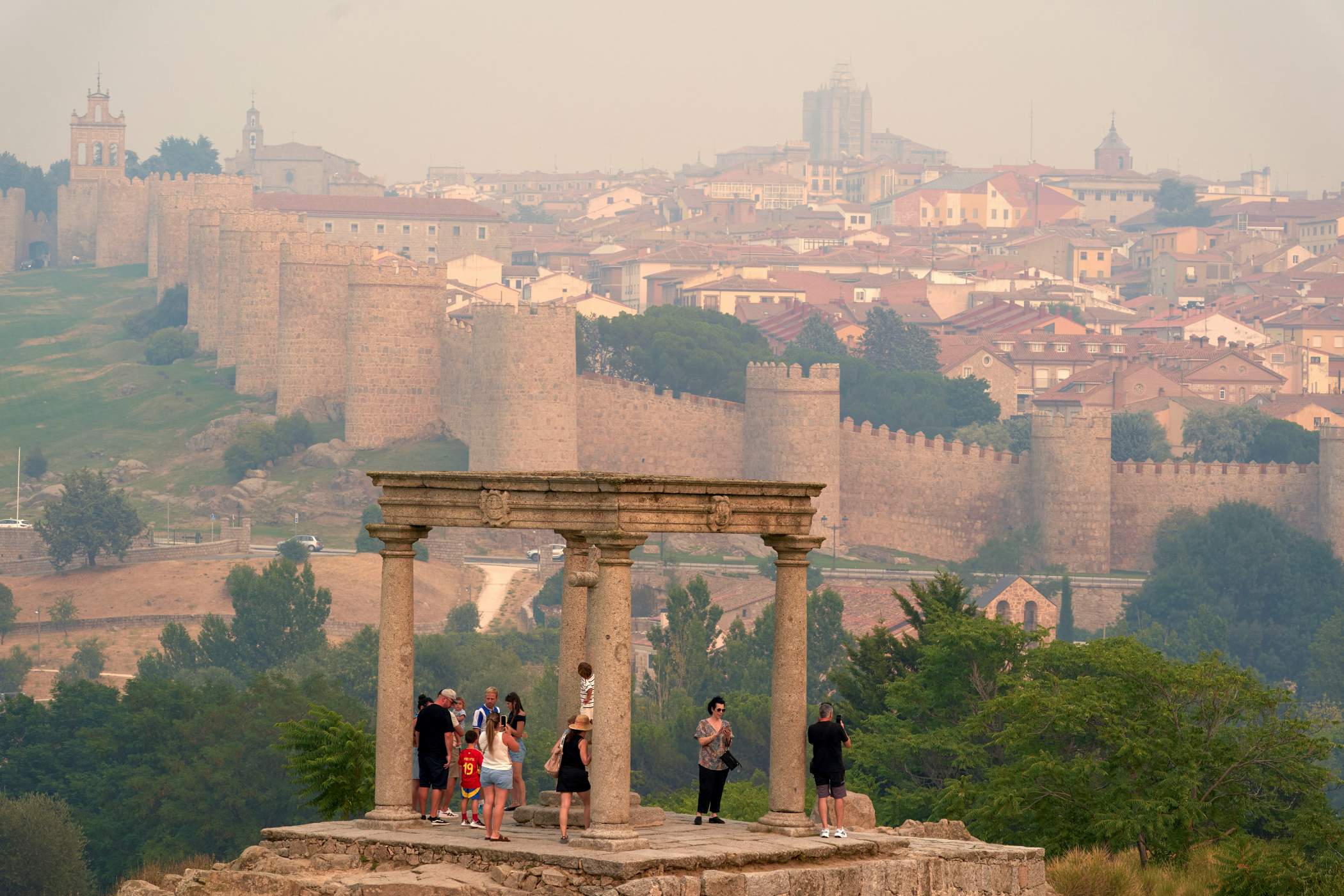
The fires in Ávila, Madrid and Castellón remain out of control, with thousands of people evacuated

The fire in Ávila, which merged with the one in the south-western mountains of Madrid last Saturday and spread to the province of Toledo, remains unstabilised, although it is under control in some areas. Wind gusts of up to 30 km/h will complicate fire-fighting efforts on Monday, according to the Madrid 112 Safety and Emergency Agency. The fire in Ávila is now the largest in Spain’s recent history. Meanwhile, the fire that broke out on Saturday in La Vall d’Uixó (Castellón), which has spread into the Sierra de Espadán Natural Park, has not yet been stabilised either. In total, around 100,000 people have been evacuated or are under lockdown across all the fire fronts.


0

Smoke from wildfires is associated with more emergency room visits for migraines and headaches, according to a study

A team from Canada analyzed nearly one million emergency room visits for migraines or headaches that occurred between 2010 and 2023 in two Canadian provinces during the peak wildfire season. Their analysis shows that the presence of small particles less than 2.5 microns in diameter (PM2.5) from wildfire smoke was associated with an increase in emergency room visits for migraines and headaches. The study is published in JAMA Network Open. In Spain, the Ministry of Health has published health recommendations for action in the event of wildfires. The Community of Madrid, with several active fire fronts, has shared this video with safety and protection tips.

0

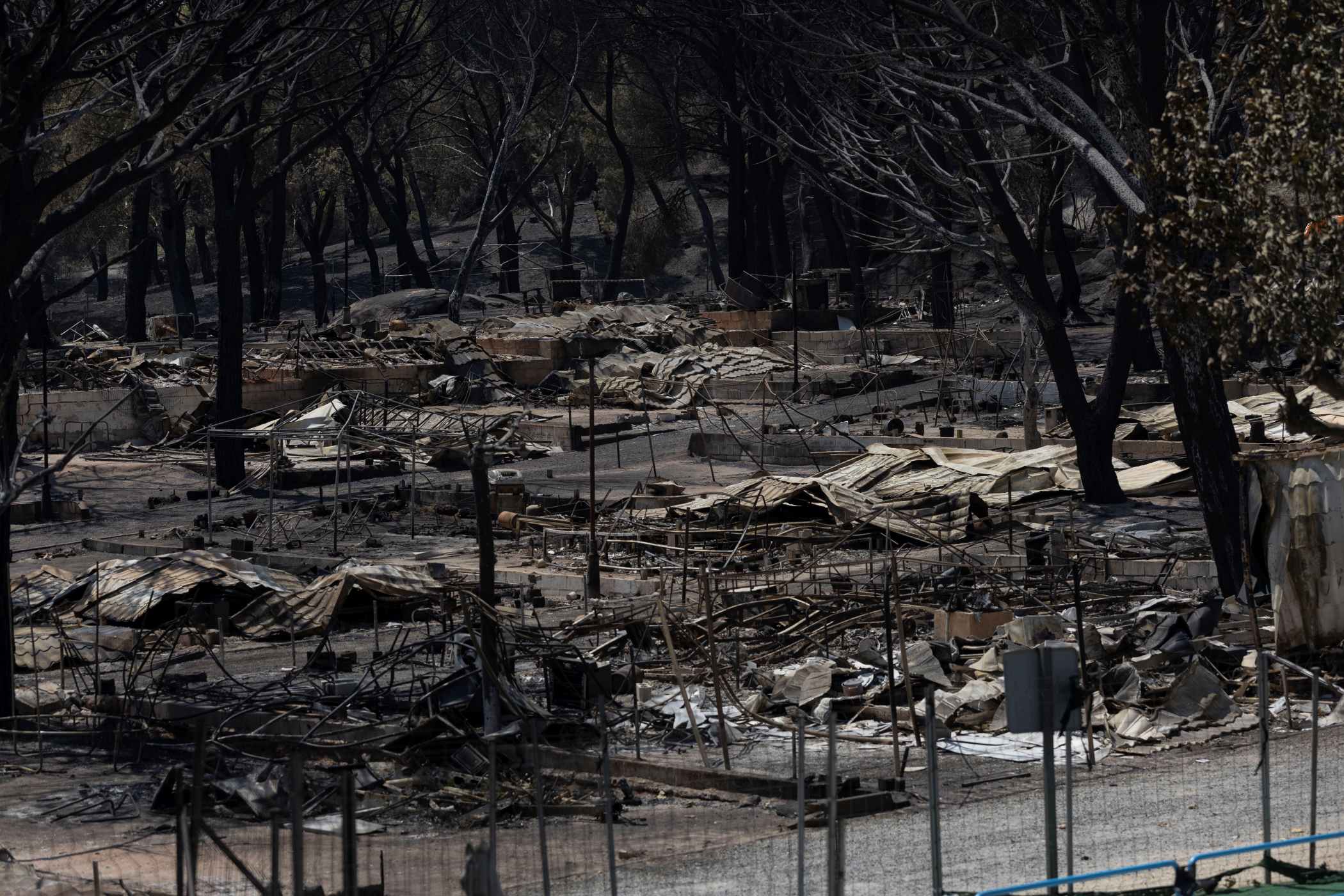
The Ministry of Interior has declared a state of emergency of national interest in the Community of Madrid and the province of Ávila due to three forest fires

Early this morning, the Minister of Interior, Fernando Grande-Marlaska, declared a state of emergency of national interest in the Community of Madrid and the province of Ávila due to the forest fires in Villa del Prado, San Martín de Valdeiglesias and Burgohondo. According to Carlos Novillo, the Regional Minister for the Environment, Agriculture and the Interior of the Community of Madrid, the fires were beyond the capacity of the fire services to extinguish and posed a serious threat to the population. The Madrid 112 Security and Emergency Agency has reported that, although the night-time firefighting efforts have been effective, the fires have still not been contained or brought under control. More than 10,000 people remain evacuated.

0

So far this year, almost 120,000 hectares have been destroyed by fire in Spain – one of the highest figures recorded for this time of year

Data from the Copernicus European Forest Fire Information System (EFFIS) show that, as of 22 July, 119,458 hectares have been burnt in Spain. The average number of hectares burnt from 2006 to 2025 up to this date stands at 35,736 hectares. The fire in the Sierra Norte de Guadalajara, which has scorched more than 30,000 hectares and is still active, together with numerous fire fronts in other provinces and the fire in Los Gallardos (Almería), in which 13 people died, have caused the total area burnt to soar.


0