Gerard Anmella

Gerard Anmella

Gerard Anmella
Position

Psychiatrist and researcher at the Depressive and Bipolar Disorders Unit of the Hospital Clínic de Barcelona

A study in mice shows that brain stimulation using contact lenses is effective against depression
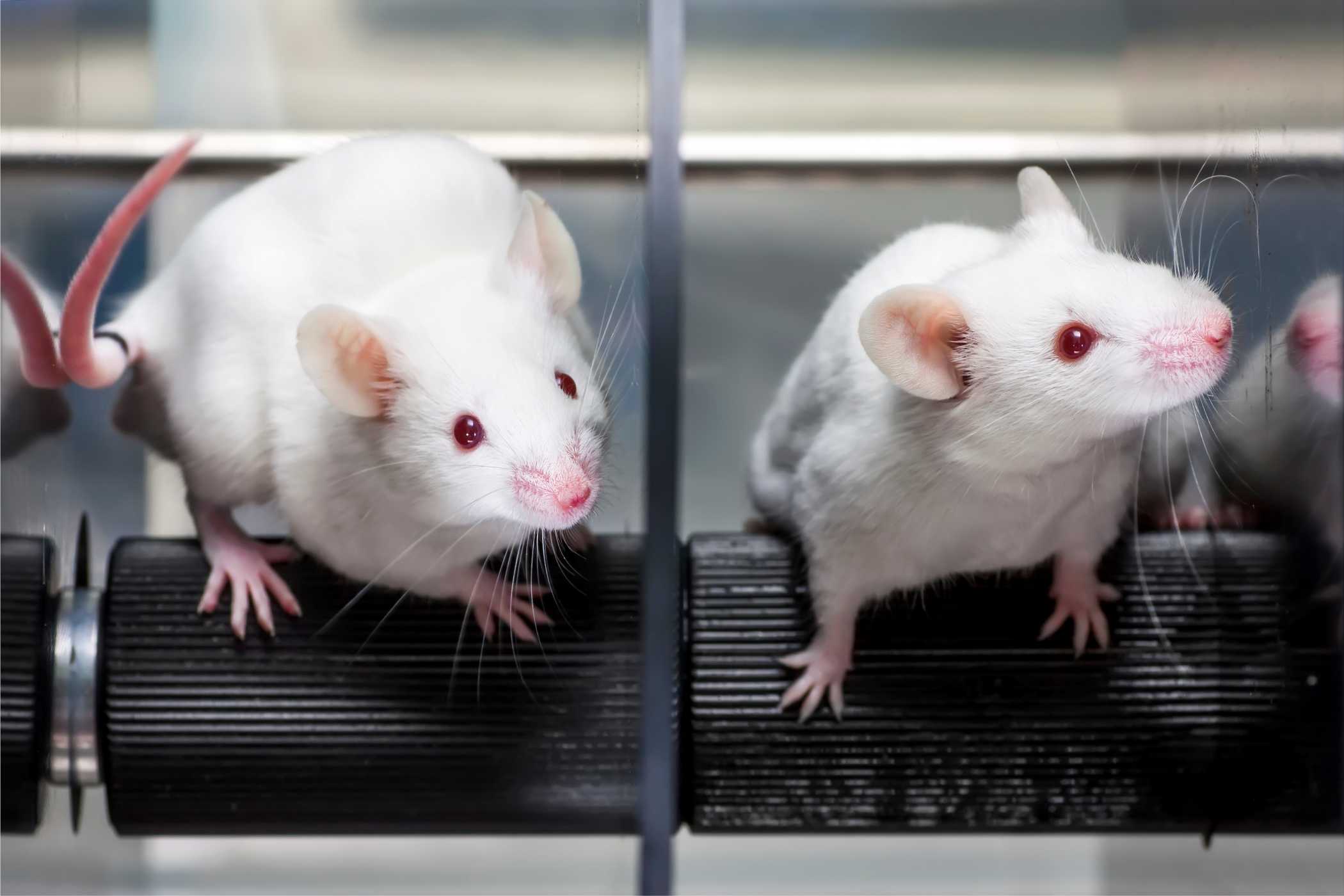
The eyes are connected to the brain via the retina, which makes it a potential pathway for brain stimulation. A study published in Cell Reports Physical Science has used contact lenses equipped with a system for transcorneal electrical stimulation to treat depression in animal models of the disorder. Mice fitted with the device showed behavioural improvements, including increased sociability, as well as physiological changes, such as the restoration of altered neural connections. The results were comparable to those obtained with fluoxetine —known commercially as Prozac— administered for three weeks in one of the mouse groups.

0

A meta-analysis concludes that intravenous ketamine is effective in reducing depressive and suicidal symptoms in patients with major depression

Single and repeated intravenous ketamine infusions are effective in reducing suicidal and depressive symptoms in patients with an acute episode of major depression. These are the main conclusions of a systematic review and meta-analysis published today in the journal JAMA Psychiatry, which also notes that long-term outcomes are not well established.

0

Inhaled mebufotenine improves symptoms of depression in a phase 2 trial

Individualised dosing of a synthetic inhalable formulation of mebufotenine, a psychedelic substance, led to improvements in depressive symptoms compared with placebo and was well tolerated. These are the results of a phase 2 clinical trial published in the journal JAMA Psychiatry, which includes Spanish participation. According to the authors, this supports its potential as a novel, fast-acting treatment for treatment-resistant depression.

0

The most effective strategy for discontinuing antidepressants is gradual reduction combined with psychological therapy, according to data from more than 17,000 adults

A meta-analysis published in The Lancet Psychiatry journal concludes that the most effective way to discontinue antidepressant treatment in people with remitting depression is to gradually reduce the dose in combination with psychological therapy. Furthermore, this strategy proved to be just as effective in preventing relapses into depression as continuing medication. The study was based on data from more than 17,000 adults with depression and anxiety in remission, although the evidence for the latter disorder was not as robust. 

0

A study shows the potential of large language models to detect signs of depression and suicide in patients

Large language models—artificial intelligence systems based on deep learning—could be useful in detecting mental health risks such as depression and suicide risk in narrative tests of patients undergoing psychiatric treatment. This is one of the conclusions of research published in JAMA Network Open, which also shows the potential of embeddings — a natural language processing technique that converts human language into mathematical vectors — to achieve the same end.

0