José Miguel Viñas

José Miguel Viñas

José Miguel Viñas
Position

Meteorologist at Meteored at www.tiempo.com and consultant for the WMO (Spain)

Hot days could last four hours longer by the end of the century under a high-emissions scenario

Extreme heat is intensifying due to climate change – heat whose hourly fluctuations are not captured by traditional daily temperature indicators. Research published in Nature Climate Change has analysed global hourly data from 1981 to 2023, alongside climate projections through to the end of the 21st century. More than 80 per cent of the world’s land surface showed an increase in heat. Under a high-emissions scenario, the authors predict that, for the period 2070–2099, each hot day could include more than four hours of additional high temperatures compared with current levels (2001–2023). They also predict that non-hot days could see a further three hours of high temperatures, which would likely go undetected by daily measurements. Low- and middle-income countries are the hardest hit, bearing more than three-quarters of current and future heat exposure.
0

Weather conditions conducive to wildfires have worsened significantly in Spain and France

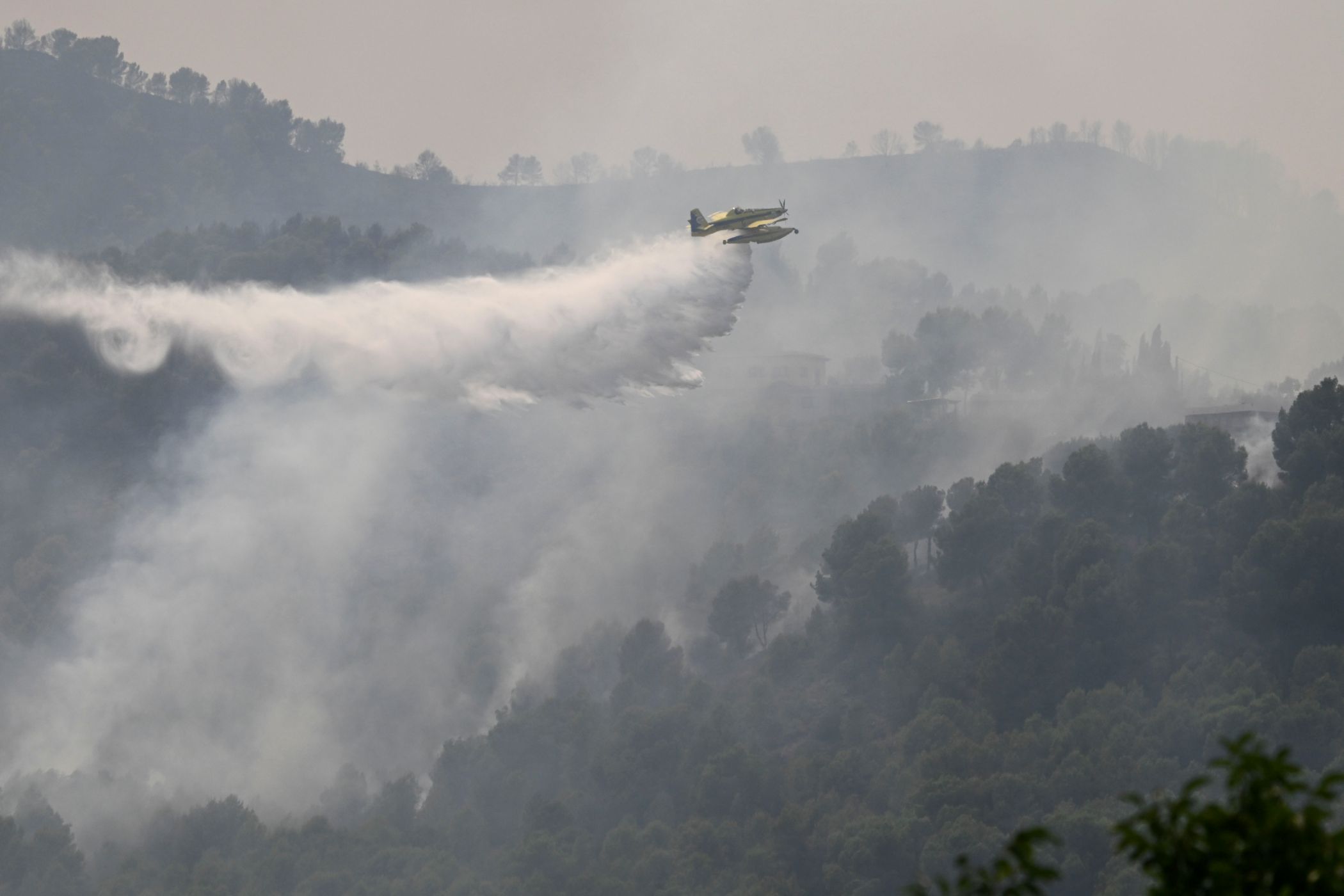
In some areas of Spain and France, the intensity of weather conditions that favour wildfires — heat, drought and wind — increased by up to 50 per cent between 2016 and 2025, compared with the period between 1981 and 2010. This is one of the conclusions of a study carried out by a team including Spanish researchers, which analysed national records of forest fires in southern Europe – Spain, Portugal, France, Italy and Greece – alongside meteorological and climatic data from 1981 to 2025. The data, published in Scientific Reports, show that the number of days with conditions conducive to fires also increased in some areas of these countries. However, the annual number of fires over the last decade was 40 per cent lower than in the 1981–2010 period in all countries – a decline which, according to the authors, is consistent with a reduction in fires caused by humans, driven by stricter regulations.

0

A study estimates that companies with the highest carbon emissions contributed 50% to more intense heatwaves

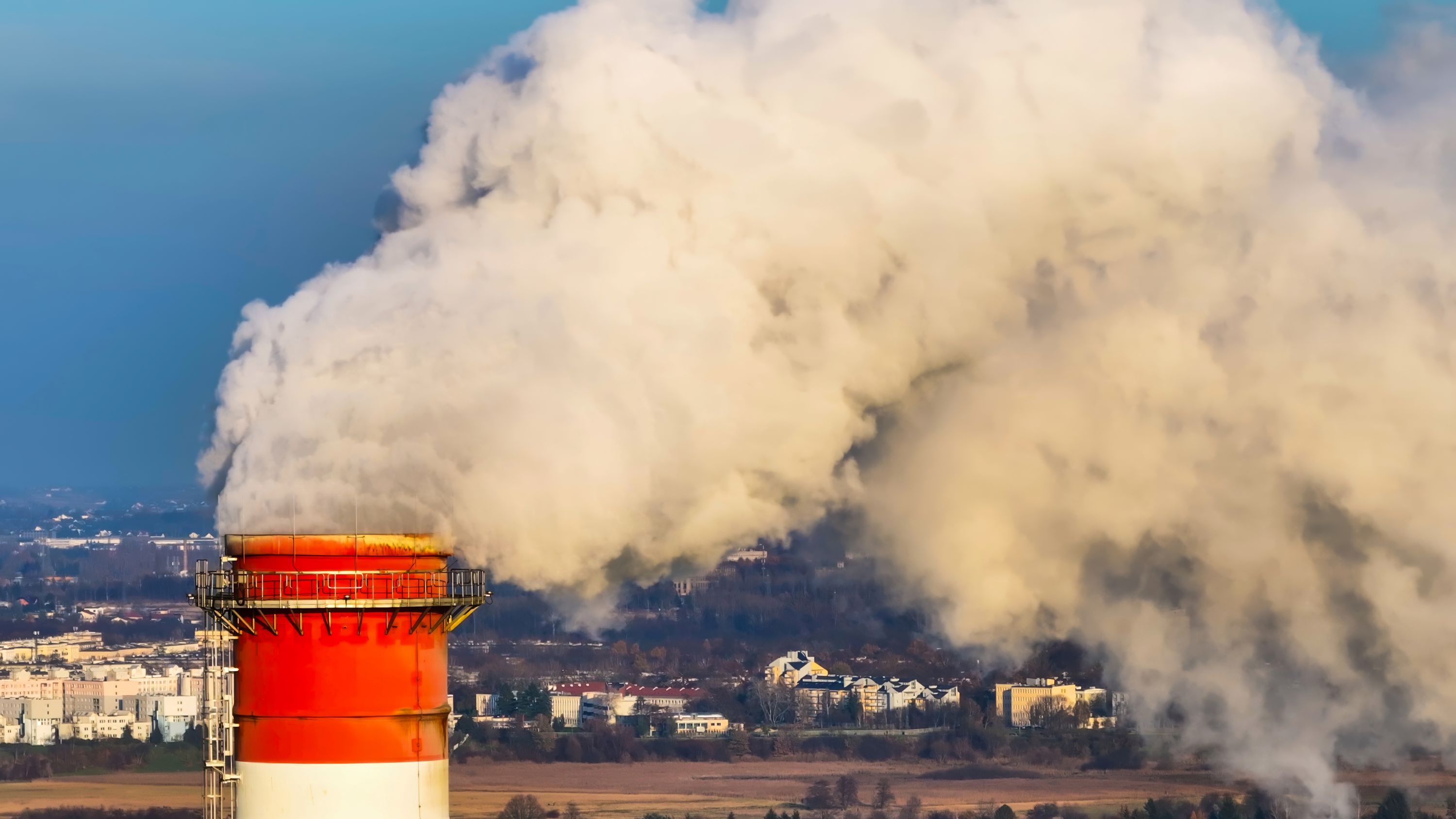
Using data from the 180 companies with the highest carbon emissions—fossil fuel and cement producers—research has calculated that these companies contributed 50% to the increase in heatwave intensity since 1850-1900. The authors estimate that the individual emissions of each large polluting company may have contributed to the occurrence of between 16 and 53 heatwaves. The study, published in Nature, also shows that a quarter of the heatwaves recorded between 2000 and 2023 would have been virtually impossible without anthropogenic climate change.

0

Reactions: global temperature sets new heat record for the last 12 months

An attribution study by Climate Central concludes that from November 2022 to October 2023, global temperatures will set a new record, exceeding pre-industrial levels by more than 1.3°C above pre-industrial levels. This would be the warmest 12-month period on record to date. The analysis shows that during this period, 5.7 billion people were exposed to at least 30 days of above-average temperatures, including most of the Spanish population.

0

Reactions: July heatwaves in Europe and North America "almost impossible" without climate change

An attribution study by World Weather Attribution (WWA) concludes that the heatwaves in Europe and North America this July would have been "almost impossible" without climate change. Over the past few weeks, southern Europe, parts of the United States, Mexico and China have experienced severe heatwaves with temperatures exceeding 45 °C. The WWA report notes that in China the heatwave was at least 50 times more likely due to the climate crisis.

0

Reactions: Study attributes April's unusually high temperatures on the Iberian Peninsula to climate change

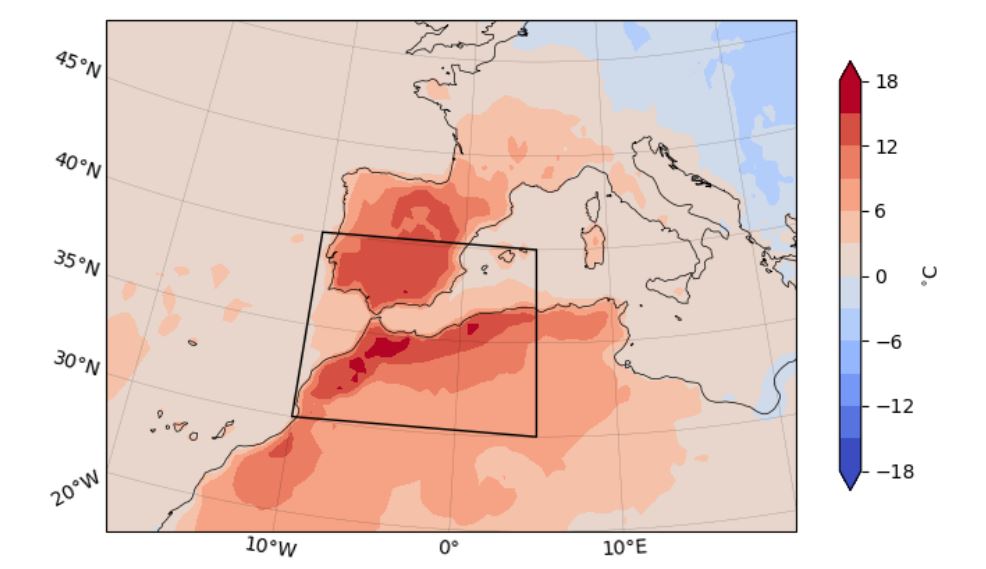
Climate change made the late April episode of record temperatures in the Iberian Peninsula, Morocco and Algeria 100 times more likely to occur, with temperatures up to 3.5°C higher than they would have been without the climate crisis. This is one of the conclusions of an attribution study conducted by World Weather Attribution.

0