A study confirms that the thawing of permafrost and the weakening of glaciers due to climate change contributed to the flash floods in Nepal
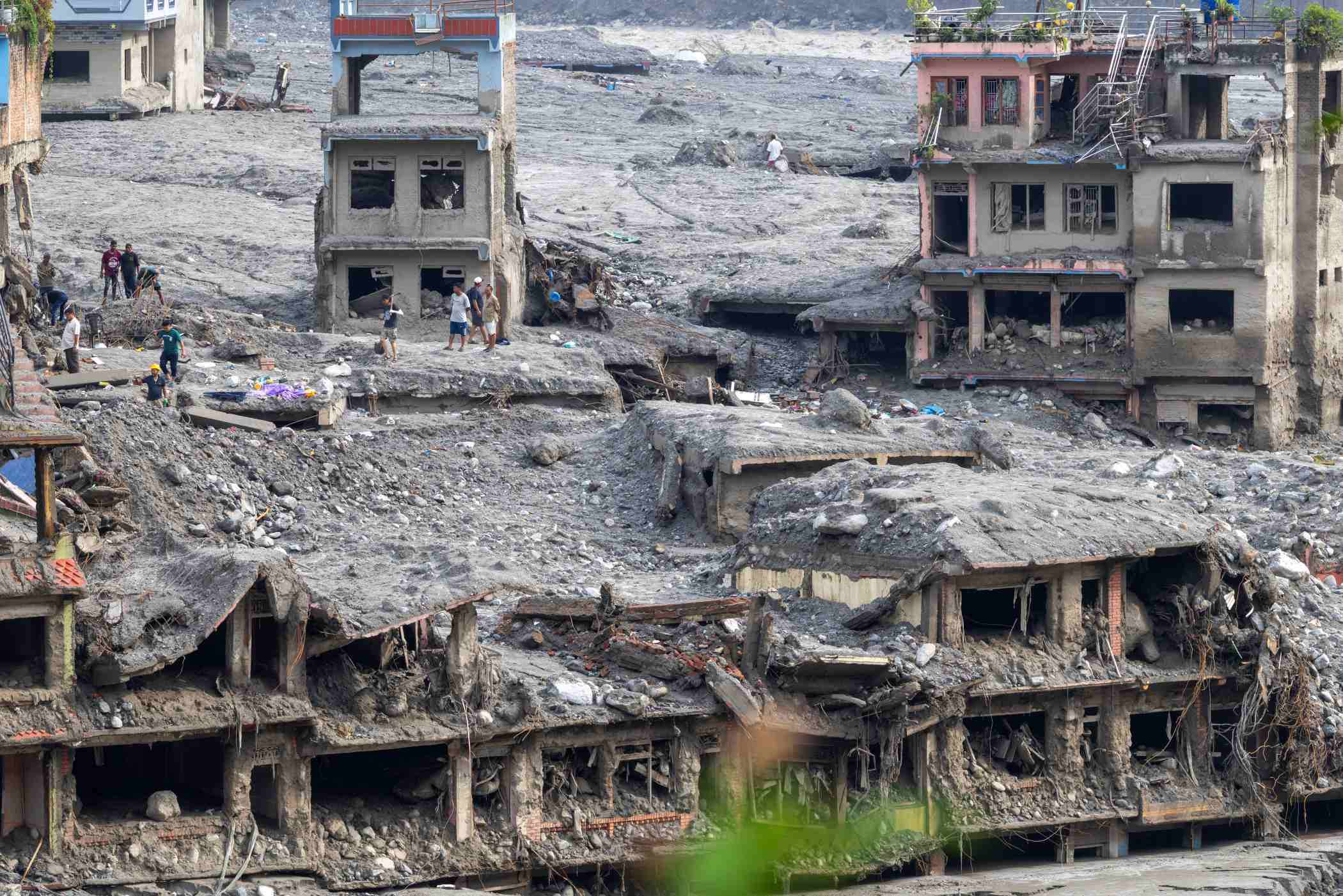
A combination of geological and climatic factors — the latter influenced by anthropogenic climate change — lay behind the catastrophic rock and ice avalanche last August on Nepal’s northern border, according to a review carried out by World Weather Attribution and glaciology experts. The team carried out an attribution analysis to examine the role of climate change in the rise in temperatures in July and August preceding the collapse, as well as in the region’s rainfall. According to the study, human-induced warming has raised the freezing line by around 100 metres per decade, leading to the thinning of glaciers and the thawing of the permafrost that held the mountain together. These factors, together with the destabilisation caused by a magnitude 7.8 earthquake in 2015, are believed to be the main causes of the landslide, which left more than a thousand people dead and thousands missing.