Manel Juan

Manel Juan

Manel Juan
Position

Head of the Immunology Service

Reactions: Phase 1 clinical trial tests personalised mRNA vaccines for pancreatic cancer
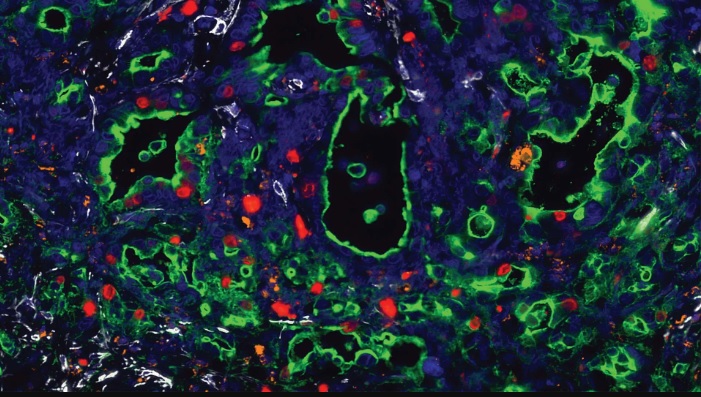
A phase 1 clinical trial has tested personalised mRNA vaccines against the most common type of pancreatic cancer with a particularly poor prognosis. The treatment, which is tailored to the characteristics of each patient's tumour, was given to 16 people along with surgery, chemotherapy and other immunotherapy. Half of them showed an immune response to the vaccine, which was associated with a better prognosis. The results are published in the journal Nature.

0
Reactions: two studies add circuitry to CAR-T cells to improve immunotherapy

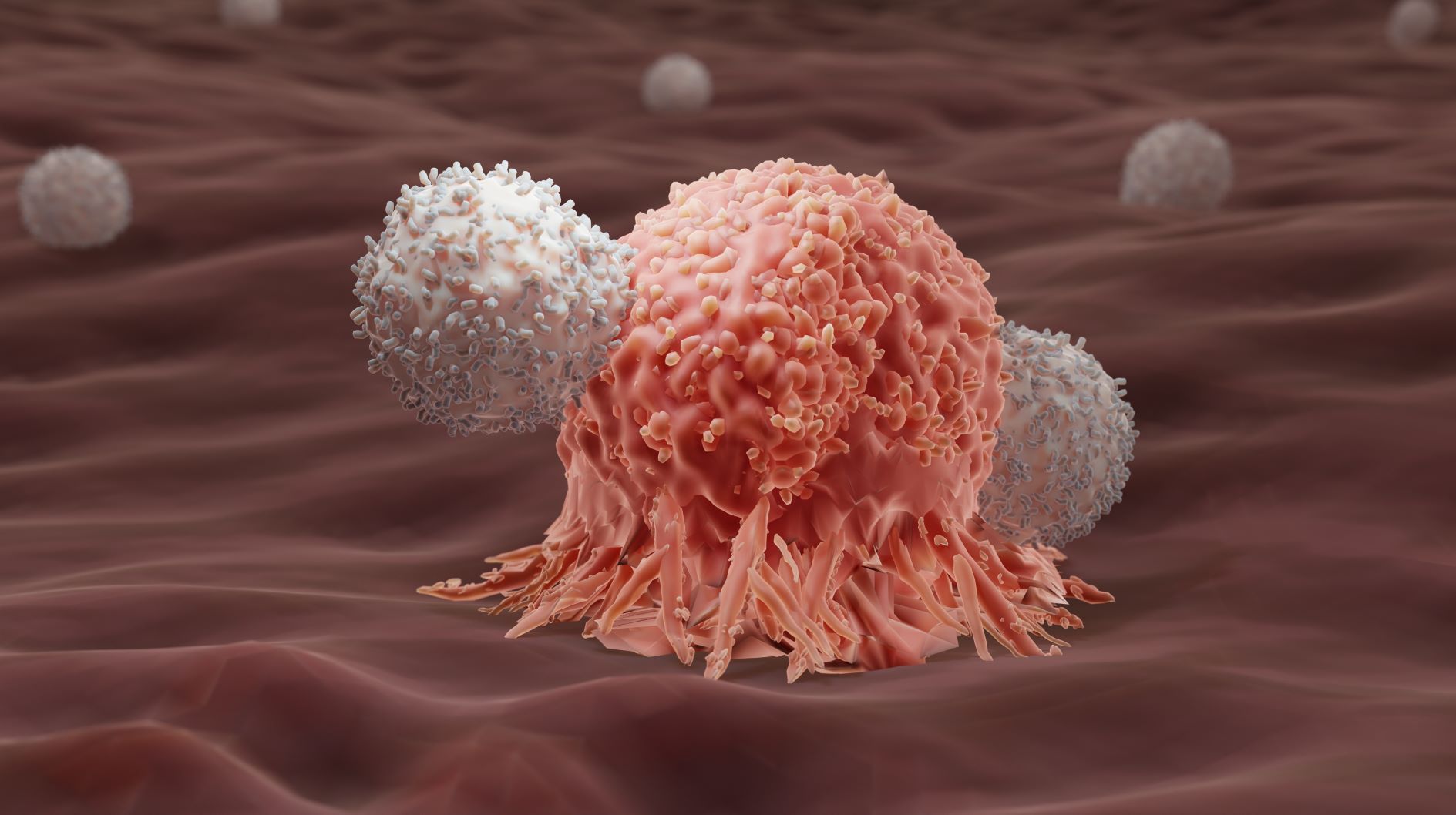
Two preclinical studies published in the journal Science have introduced new bioengineered modifications to CAR-T cells in an attempt to make them more potent and safer in their anti-tumour action. These variations allow their activity to be enhanced only in the vicinity of the tumour or their actions to be regulated on demand.

0

Reactions to clinical trial using CRISPR to modify patient's own T lymphocytes for cancer treatment

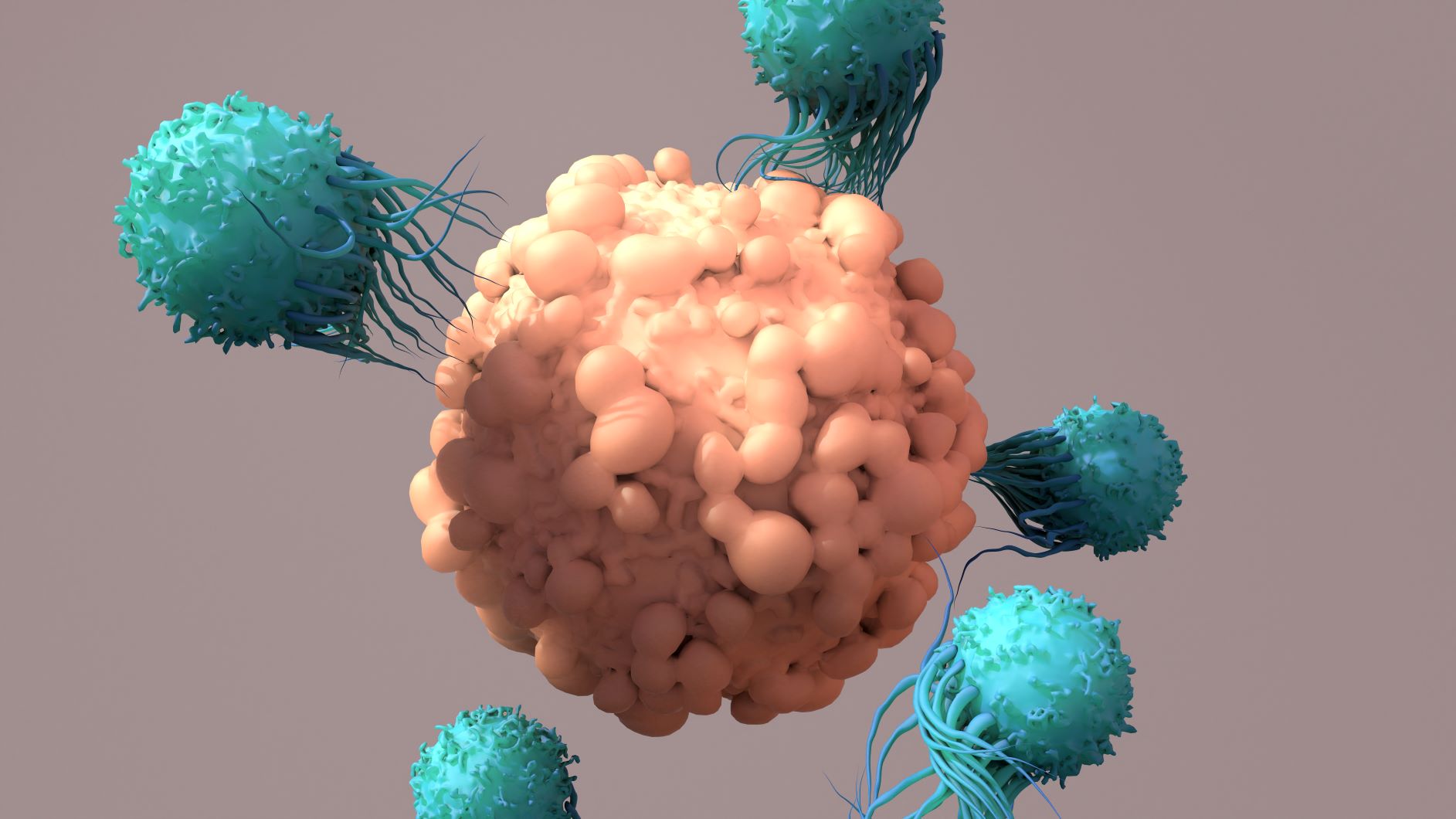
A pioneering phase 1 clinical trial has tested a type of cancer immunotherapy. Researchers have modified patients' own T-lymphocyte receptors using the CRISPR tool to direct them against specific targets on their own tumours. The results are published in the journal Nature.

0
Reaction to a new intranasal HIV and SARS-CoV-2 vaccination device tested in animals

US researchers have designed an intranasal vaccination device that is capable of delivering immunising proteins through the mucosal surface. The research, published in Science Translational Medicine, shows that strong antibody responses against viruses such as HIV and SARS-CoV-2 have been achieved in mice and non-human primates.

Reactions of Spanish immunologists to vaccination strategy based on successive boosters in the general population

The director of the Vaccine Strategy of the European Medicines Agency (EMA), Marco Cavaleri, told a press conference on 11 January that "it is not sustainable in the long term to continue giving booster doses every three or four months [to the general population]". Spanish immunologists agree that this is not the right thing to do. In these reactions they explain why.

Reaction to early laboratory data on how antibodies respond to the omicron variant

In the last few days, data, preprints, press releases and even graphs have started to arrive via social media showing how neutralising antibodies against the omicron variant behave. These studies are preliminary and we will have to wait and see how these lab data translate into the real world.