Centre for Research in Molecular Medicine and Chronic Diseases (CIMUS)
If you are the contact person for this centre and you wish to make any changes, please contact us.
Associate Lecturer in the Department of Biochemistry and Molecular Biology
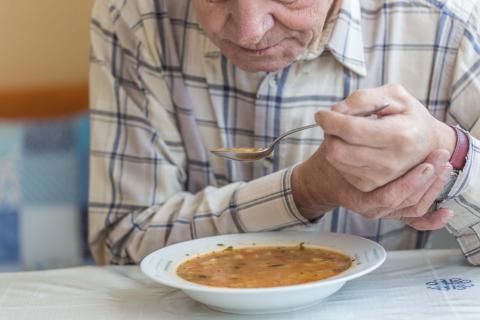
Various studies have shown that smokers have a lower risk of developing Parkinson’s disease, but the causes remain unknown. A study has analysed the role played by carbon monoxide — a toxic gas produced by the combustion of tobacco — in this association. To this end, the team conducted a twelve-year follow-up study of more than half a million adults in China. The results show that regular smoking was associated with an increased risk of lung cancer, ischaemic heart disease, stroke and all-cause mortality, but with a lower risk of Parkinson’s disease. Most strikingly, amongst people who had never smoked, higher levels of exhaled carbon monoxide—which the authors measured—were associated with a lower risk of Parkinson’s disease. According to the study, published in JAMA Neurology, these findings demonstrate a possible protective role of carbon monoxide in the disease, rather than smoking itself.
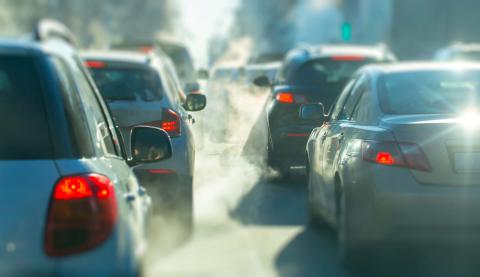
A Danish study published in JAMA Neurology found an association between long-term exposure to residential road traffic noise and an increased risk of developing Parkinson's disease. The study followed more than three million Danish adults aged 40 years and older for 18 years using data from Denmark's national administrative and health registries. The researchers assessed residential road traffic noise exposure at both the most exposed and the least exposed façades of participants' homes. The study also found that individuals with a quiet façade had a lower risk of developing Parkinson's disease than those whose homes were exposed to high levels of noise on all sides.
Several studies have suggested that taurine concentrations in the blood decrease with age and that supplementation with this amino acid could delay ageing. Now, a study carried out in the USA with Spanish participation, including data from humans, monkeys and mice, shows that this decline is not systematic and that it depends more on individual factors than on ageing, so taurine is not a reliable marker of ageing. The results are published in the journal Science.

Research has analyzed how extreme heat influences the biological age of elderly populations, specifically in the United States. The study, published in Science Advances, used blood samples from more than 3,600 adults with an average age of 68 collected between 2010 and 2016. The team compared epigenetic aging trends with the number of days of extreme heat in the participants' places of residence. The models showed that more days of heat or long-term heat — over a period of one to six years — increased the biological age of the participants by more than two years.

The European Medicines Agency issued its recommendations yesterday afternoon regarding the administration of a third dose of the Comirnaty (Pfizer/BioNTech) and Spikevax (Moderna) vaccines. These are the reactions of several experts on the matter.