Chronic loneliness from the age of 65 onwards is associated with an increased risk of dementia, but occasional loneliness is not
A study published in the journal Aging & Mental Health has analysed the link between loneliness and the risk of dementia in French people aged over 65. According to the study, those who experience chronic loneliness are 38 per cent more likely to develop the condition; however, occasional loneliness showed no significant association with an increased risk. The team followed 1,540 people for 30 years, of whom 560 went on to develop dementia, with an incidence ranging from 33.1 per cent in the group who never felt lonely to 49.1 per cent in the group experiencing chronic loneliness.
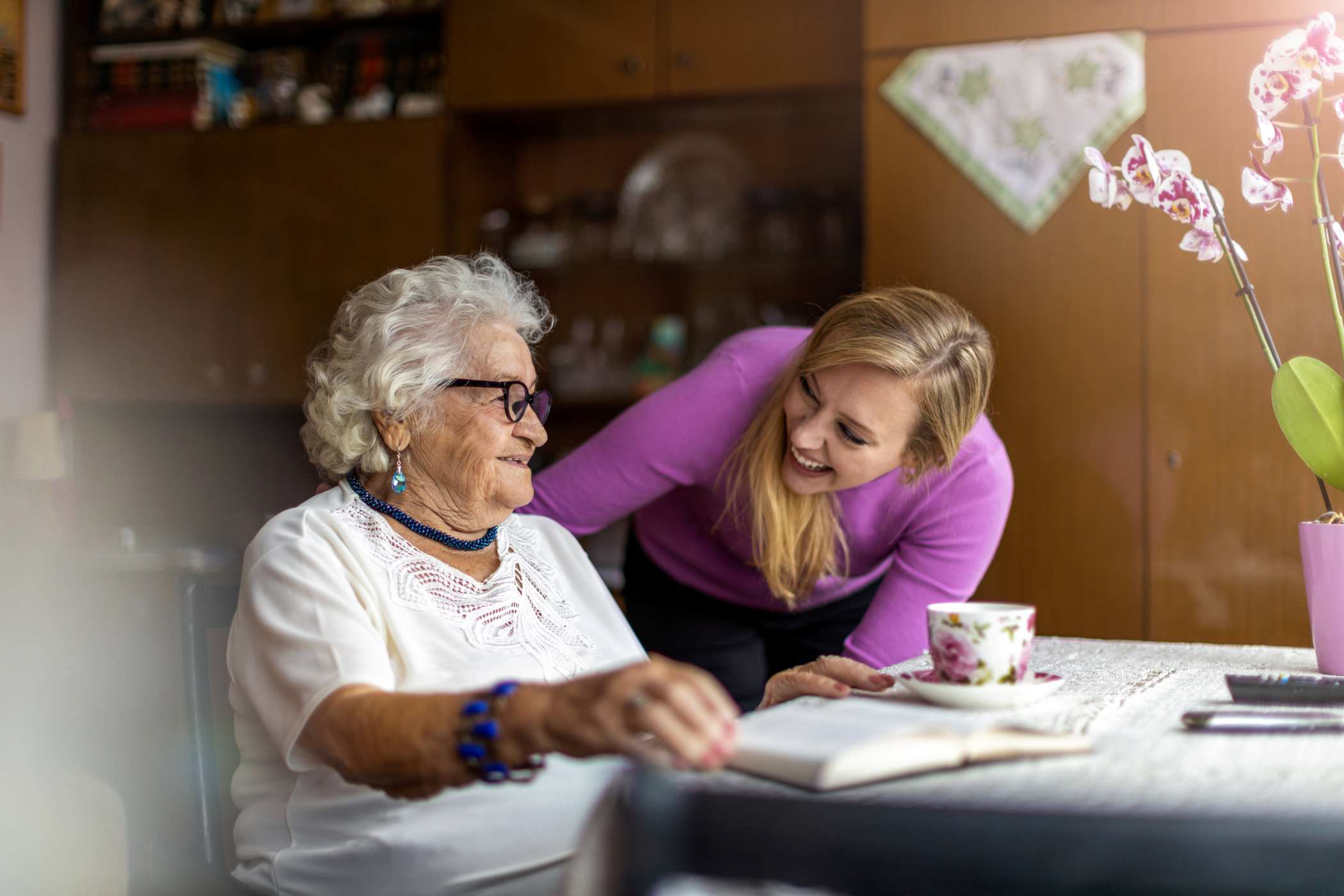
Rosa M.ª Varela Garay - soledad y demencia
Rosa M.ª Varela Garay
I have found that this is a study of high methodological quality. It uses the French Paquid cohort, which followed 3,777 people aged over 65 for 30 years (1988–2018), with home visits every two or three years. The research comprises two phases.
In the first phase, which lasted eight years, each participant was asked during four visits whether they had felt lonely in the past week. This is an item from the CES-D depression scale. Based on these responses, three groups were formed: never lonely (no visits), occasionally lonely (one or two visits) and chronically lonely (three or four).
In the second phase, the 1,540 people who were still free of dementia were followed for 20 years to see who went on to develop it. The diagnosis is rigorous and carried out in three stages: neuropsychological assessment, confirmation by a neurologist or geriatrician, and validation by a consensus committee.
For the analysis, a ‘disease-death’ model is used. This model considers three states (no dementia, dementia and deceased) and estimates the probability that someone would develop dementia between two visits or before dying without ever being diagnosed. This is important in a population where 94 per cent died during the follow-up period: a conventional analysis would underestimate the number of cases. Adjustment factors were selected using a directed acyclic graph (DAG): gender, educational attainment, area of residence, living alone, perceived health, polypharmacy and depressive symptoms. To avoid double-counting, depressive symptoms were measured excluding the item on loneliness.
The result is that chronic loneliness is associated with a 38 per cent higher risk of dementia, whilst occasional loneliness shows no association. The finding holds true when excluding those who already had mild cognitive impairment and when requiring loneliness to be present at all four visits, which reinforces its robustness. This is consistent with previous evidence, which identifies social disconnection as a modifiable risk factor for dementia (Lancet Commission, 2024), and with the Framingham study, which had already highlighted persistent loneliness. A key finding for intervention is that almost 30 per cent of those experiencing chronic loneliness did not live alone. Living alone is not the same as feeling lonely.
There are significant limitations. As this is an observational study, it demonstrates association, not causation. A single question referring to the past week, asked during visits several years apart, may misclassify some individuals. The chronic loneliness group is small (267 people, mostly widowed women) and the confidence interval is wide (1.03–1.86). Almost two-thirds of the initial sample did not reach the analysis stage, mainly due to death. Furthermore, the study focuses on a French cohort from the 1990s, so any extrapolation to today’s older people in Spain must be made with caution.
Even so, the implications are clear, and they coincide with what we have observed in our own work. In the study on unwanted loneliness that we carried out in Seville with 418 older people with Grade I and II dependency, who were users of the Home Help Service, the most vulnerable profile closely resembles that of the group experiencing chronic loneliness in the French study. They are women, very elderly (83.8 years on average), mostly widows and with a low level of education; those with level II dependency have the highest loneliness scores. The shortcomings are concentrated in perceived social support, social participation and access to communication technologies. For these individuals, their care needs make it difficult to overcome loneliness on their own, and this is why it is more likely to become chronic.
This French study reinforces the idea that it is not enough to identify loneliness just once. It must be measured regularly to distinguish between those experiencing a one-off episode and those living with persistent loneliness. That is why we developed the AURORA Scale, adapted from the ESTE II, so that social services and home care providers themselves can identify and monitor unwanted loneliness in dependent older people. We also agree that living alone is not a reliable indicator: in our sample, more than half of the women did not live alone, and loneliness can occur within the home, in unsatisfactory relationships or in caregiving situations. Interventions should focus on situations that become chronic: social prescription, community spaces, tailored digital literacy and the strengthening of support networks, with social work playing a key role in coordinating them. And there is no need to cause alarm: feeling lonely from time to time is a common experience and, according to this study, does not increase the risk of dementia.
Simon et al.
- Research article
- Peer reviewed
- Observational study