A method is developed to recycle plastic waste into a base molecule for cancer drugs
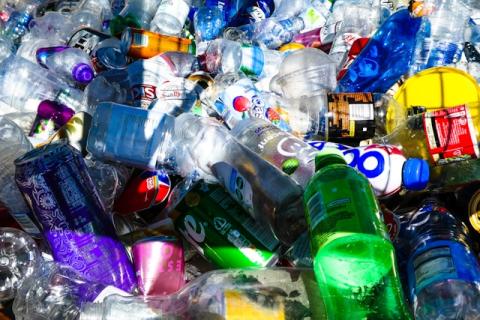
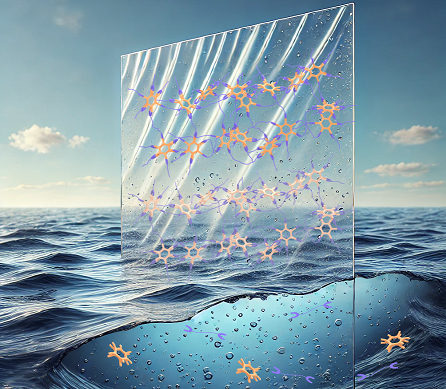
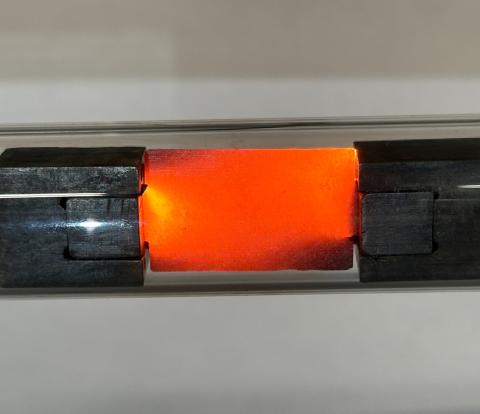
Recycling household PET waste—such as plastic bottles—using a new chemical process could generate a compound useful for synthesizing drugs, according to a study published in the journal Angewandte Chemie International Edition. The team discovered that, thanks to semi-hydrogenation, the waste could be broken down into a compound called EHMB, which is key to producing the cancer drug imatinib, a chemotherapy drug called procarbazine, and the insecticide fenpyroximate.
Arjan - plástico reciclado fármacos EN
Arjan W. Kleij
Group leader at the Institute of Chemical Research of Catalonia (ICIQ) & ICREA Fellow
This work is in my view an excellent example of an inter-disciplinary and comprehensive synthetic and mechanistic approach to create new life for consumer plastics by developing a catalytic degradation of PET waste. In particular, the use of advanced spectroscopic analysis (CEST-NMR) allowed the researchers to gather information on reaction intermediates while optimizing the conversion of PET through selective semi-hydrogenation into an important base chemical: 4-(hydroxymethyl)benzoate (EHMB) that previously was not accessible through similar initiatives. EHMB can be upcycled into a variety of agrochemicals and pharmaceuticals, and a new type of recyclable polyester, hence serving several potential markets.
Furthermore, while this work is mostly explorative in nature, the advantageous process conditions, high catalytic efficiency and scalability clearly add to its economic potential. A life-cycle analysis (LCA) further demonstrates that the EHMB produced from PET waste compares favorably to fossil-fuel derived EHMB in terms of its environmental impact. It therefore creates new incentives for circular materials and molecules in the area, and offers a seminal example of a joint approach to plastic recycling.
Pavel S. Kulyabin et al.
- Research article
- Peer reviewed