adolescence

adolescence

adolescence

A quarter of teenage girls who have been in a relationship worldwide have experienced partner violence by a male

24% of girls aged 15 to 19 who have been in a relationship have experienced physical or sexual violence by a male partner at some point in their lives, according to a global study with data from 161 countries between 2000 and 2018. Spain is in the group with the lowest prevalence (12% over their lifetime; 4% in the previous year), according to 2015 data. There is less violence against girls in countries with higher incomes, higher rates of girls in secondary education, and greater gender equality in inheritance laws, says the study published in The Lancet Child & Adolescent Health. 

0

Boys respond aggressively when they perceive their masculinity is threatened

Adolescent boys respond aggressively when they perceive that their masculinity is threatened, an analysis shows. In the study, aggression was higher when boys' motivation to follow what is considered 'typical' for their sex came from external expectations - for example, when their parents believed that men should have more power - rather than their own expectations. The study, which analysed data from 207 boys aged 10-14 and one of their parents, is published in Developmental Science.

0

Changes observed in brain images of adolescents with internet 'addiction'

Internet 'addiction' in adolescents is associated with changes in neural networks in their brains, a review of studies has found. The analysis published in PLoS Mental Health brings together the results of 12 previous functional magnetic resonance imaging studies, conducted in young people aged 10-19 in Asian countries (Korea, China and Indonesia).

0

Noise and air pollution associated with poorer mental health in young people and adolescents

A study in England has found a link between increased exposure to air pollution during early life and the risk of developing psychotic disorders and depression during youth. In addition, greater exposure to noise during childhood and adolescence was associated with an increased risk of anxiety. The results of the study, which collected data from more than 9,000 people, are published in the journal JAMA Network Open. 

0

Reaction: higher amount of metals detected in urine of adolescents who are frequent e-cigarette users

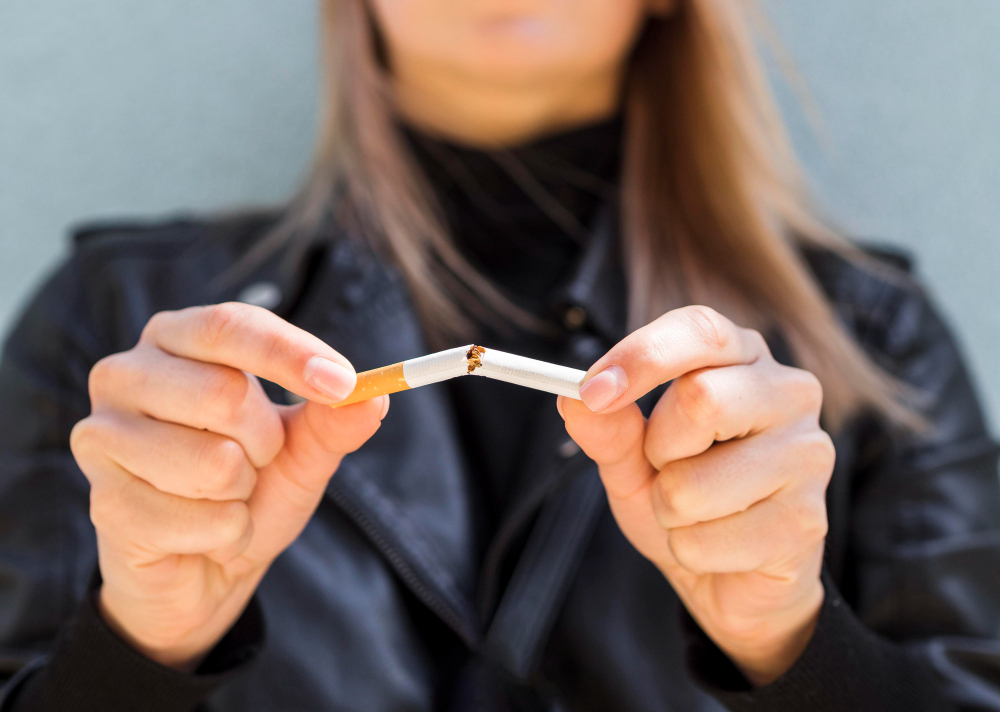
Teenagers who are frequent users of electronic cigarettes have more uranium and lead in their urine than occasional users, according to a study. Those who use sweet flavored products also have higher uranium levels in their urine than those who use mint flavors. The study, published in the journal Tobacco Control, analyses data from a representative sample of adolescents aged 13 to 17 in the United States, which includes 200 exclusive users of these e-cigarettes. 

0

Reactions: two reviews highlight lack of evidence on the use of puberty blockers and hormone treatments in young people

Two systematic reviews published in the Archives of Disease in Childhood warn of the lack of scientific evidence available on the use of puberty blockers and hormones for adolescents with gender-related disorders. In total, both reviews analyse a hundred published studies.

0

Reaction: Adolescents and children from low socioeconomic neighborhoods walk less and engage in less physical activity

A study published in the journal PLOS ONE, which includes data from over 3,000 Spanish adolescents and children, has shown that those living in more walkable areas report spending more minutes per day engaging in active transportation compared to those from less walkable neighborhoods. Along those lines, the lowest average minutes spent playing outdoors are observed among participants from neighborhoods with lower socioeconomic status and less walkability. The research is part of the PASOS study, coordinated by the Gasol Foundation.

0

Neighbourhoods with no space to play, walk or play sport: how the postcode affects children and young people's health

Research involving more than 3,000 adolescents and children from all Spanish autonomous communities concludes that those living in less walkable neighbourhoods with lower socioeconomic status walk less and engage in less physical activity at weekends than those living in more walkable areas with higher socioeconomic status. The paper, published in the journal PLOS ONE and part of the PASOS study, was presented by two of its authors at a briefing organised by SMC Spain. 

0

Reactions: Study says smaller classrooms do not improve grades for children from low-income families

Smaller classroom sizes in schools are failing to increase the resilience of children from low-income families, according to a study published in the International Journal of Science Education. Data from more than 2,700 disadvantaged secondary school students in Japan and China show that minimising class sizes does not lead to better grades. The authors of the study claim that reducing classroom size may even decrease the likelihood of children achieving the best results.

0