cardiovascular diseases

cardiovascular diseases

cardiovascular diseases

A study suggests that stopping statin treatment in people aged 75 and over with no history of heart disease or stroke does not increase the risk of death

Statins are used to prevent atherosclerotic cardiovascular disease (ACD), a specific type of cardiovascular disease caused by the build-up of fatty plaque inside the arteries, which can lead to heart disease or stroke. A study published in The Lancet Healthy Longevity analysed the effect of stopping statins in adults aged 75 and over who were taking them preventatively, that is, without a history of atherosclerotic cardiovascular disease. The results showed that discontinuing treatment was no worse than continuing it in terms of all-cause mortality over a three-year period. According to the authors, these results support individualised decision-making regarding the discontinuation of statin treatment in older people, rather than a blanket recommendation to stop taking them.

0

Abdominal fat is a better predictor of cardiovascular risk than body mass index

A person’s waist circumference is a better indicator of the risk of cardiovascular disease than body mass index (BMI) alone, according to a study published in the Journal of the American College of Cardiology. BMI has been used to determine overweight or obesity, common risk factors for heart disease, but this research — which analysed data from nearly 260,000 people with an average follow-up of 20 years — shows that failing to take waist circumference (WC) or the waist-to-hip ratio (WHR) into account can lead to an incorrect assessment of the risk of cardiovascular disease.


0

Polyendocrine metabolic ovarian syndrome is associated with a higher risk of cardiovascular events

Polycystic ovary syndrome (PCOS) has recently been renamed polyendocrine metabolic ovarian syndrome (PMOS), to emphasise its metabolic and endocrine dimensions, rather than viewing it solely as a gynaecological condition. A study involving more than 400,000 women has linked PPOS to an increased incidence of cardiovascular events, specifically atherosclerotic cardiovascular disease. This association was observed independently of traditional cardiovascular risk factors such as diabetes, dyslipidaemia, obesity, and hypertension, suggesting that these factors alone do not fully explain the relationship. The study included women aged 18–50 years with PMOS and drew data from the Optum Clinformatics Data Mart patient database. The findings were published in The Lancet Obstetrics, Gynaecology & Women’s Health.

0

Sleep deprivation is linked to weight gain in adults at cardiometabolic risk

According to the findings of two clinical trials published in Annals of Internal Medicine, adults at high cardiometabolic risk who slept almost 80 minutes less per night for six weeks gained nearly half a kilogram on average and experienced an increase in waist circumference. The studies included a total of 95 participants, all of whom had a habitual sleep duration of at least seven hours per night. Sleep restriction was also associated with increased leptin levels, a hormone involved in regulating energy balance, and with greater sedentary time.

0

The recommendation of 150 minutes of exercise per week should be higher for greater cardiovascular protection, according to a study

A team from China used data from over 17,000 people in the UK Biobank to analyze the relationship between physical activity and cardiovascular risk. Their results indicate that the current minimum recommendation of 150 minutes of moderate-to-vigorous physical activity per week was associated with an 8-9% risk reduction. However, increasing the time to 560-610 minutes was linked to a decrease of more than 30%. According to the authors, who published the study in the British Journal of Sports Medicine, the current recommendations offer universal but modest protection, and optimal benefits would be obtained with substantially higher levels of activity.

0

Spain has experienced the largest increase in sudden death–attributable mortality in Europe over the past decade

Between 2010 and 2020, nearly 2.6 million sudden deaths were recorded in Europe. This finding shows an upward trend in sudden death–attributable mortality of 2.9 % per year, with a significantly greater increase in women—although the majority of sudden deaths occurred in men—and clear geographic differences, with higher increases observed in Eastern and Southern Europe. Spain showed the greatest increase among the countries analysed, with an average annual rise of 3.3 %. The results were based on mortality data from the World Health Organization (WHO), covering 26 European countries and more than 53 million deaths. The study, published in The Lancet Regional Health, did not investigate the underlying causes, but the authors hypothesise that differences in cardiovascular risk profiles, access to healthcare, and emergency response systems may contribute to the observed trends.

0

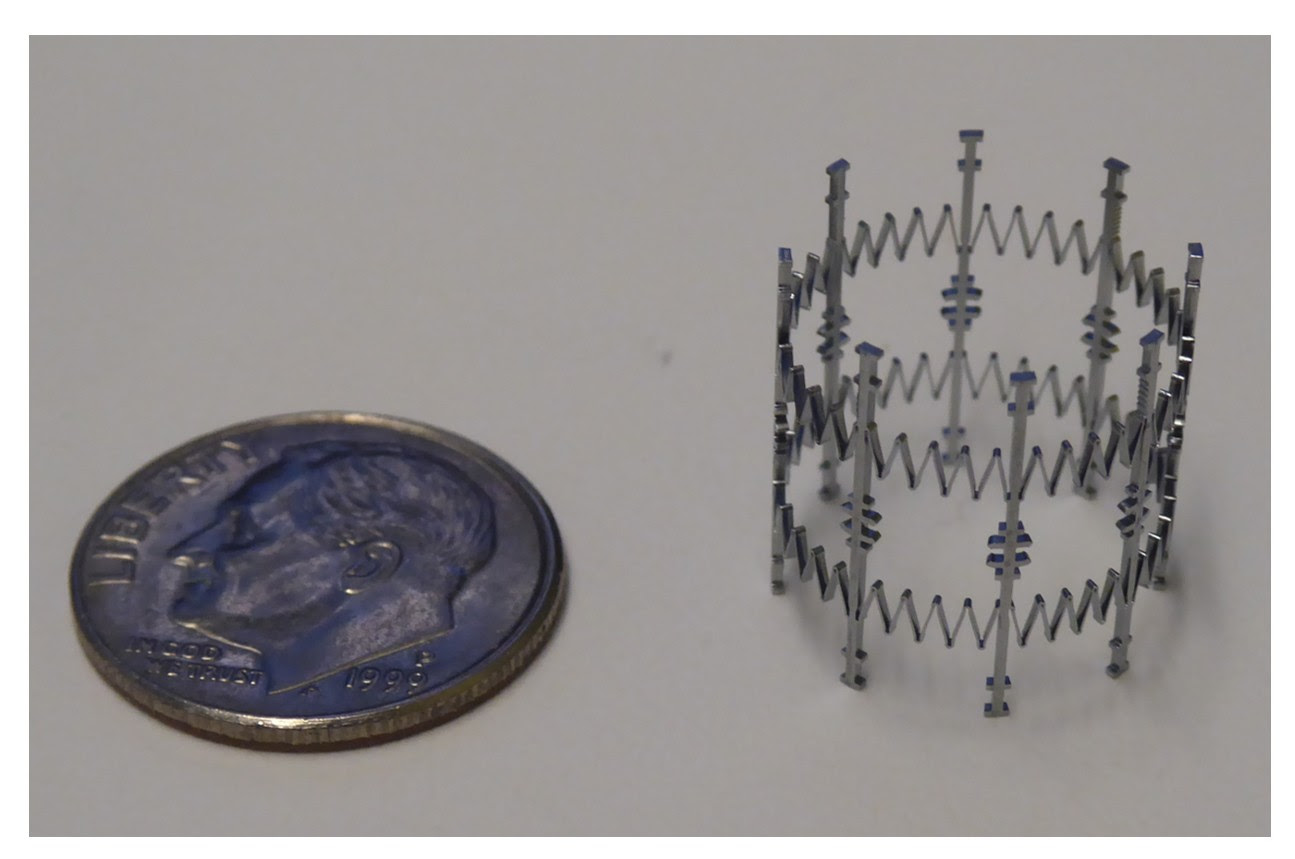
New pediatric cardiac stent grows with the piglet’s heart

A new cardiac valve stent can expand on its own, according to preclinical tests conducted in piglets; the pediatric device doubled in size as the animals matured. As the authors note in their study published in Science Advances, this offers the possibility of adapting to the rapid growth of the hearts of babies and young children with congenital conditions. The stent, which is based on a spring-like expansion mechanism, could eliminate the need for repeated surgeries in pediatric patients.

0

Statins cause almost none of the side effects listed in their package inserts, according to a meta-analysis

Statins are a group of drugs widely used to lower cholesterol levels and reduce cardiovascular risk. Although they have been associated with various adverse effects, a meta-analysis of 19 clinical trials with more than 120,000 participants in total concludes that only four of the 66 side effects listed in the package inserts are caused by statins themselves and the risks are very low. The authors, who published their findings in The Lancet, recommend revising the current list of side effects on statin labels to better reflect the evidence so that patients and doctors can make clearer and more informed decisions about treatment.

0

People with type 1 and type 2 diabetes are at greater risk of sudden cardiac death

A study published in the European Heart Journal shows that people with type 1 and type 2 diabetes have a higher risk of sudden cardiac death than those without these diseases. In addition, their life expectancy is lower. The research analysed data from 6,862 cases of sudden cardiac death in Denmark in 2010, and concluded that the incidence of these deaths is 3.7 times higher in people with type 1 diabetes than in the general population, and 6.5 times higher in people with type 2 diabetes. Those under the age of 50 were at the highest risk.

0

Colchicine use reduces strokes and heart attacks in people with cardiovascular disease, according to a Cochrane review

A review conducted by the Cochrane Collaboration analyzed the effects of colchicine—a medication commonly used to treat some rheumatic diseases—on people who had already experienced a cardiovascular event. The review included 12 clinical trials with more than 23,000 patients and concluded that colchicine reduces the risk of stroke or heart attack in these individuals. Overall, for every 1,000 people treated, there were 9 fewer heart attacks and 8 fewer strokes compared to those who did not take the medication, with no apparent serious side effects.

0