childhood

childhood

childhood

A global review reveals links between screen use and various child health outcomes
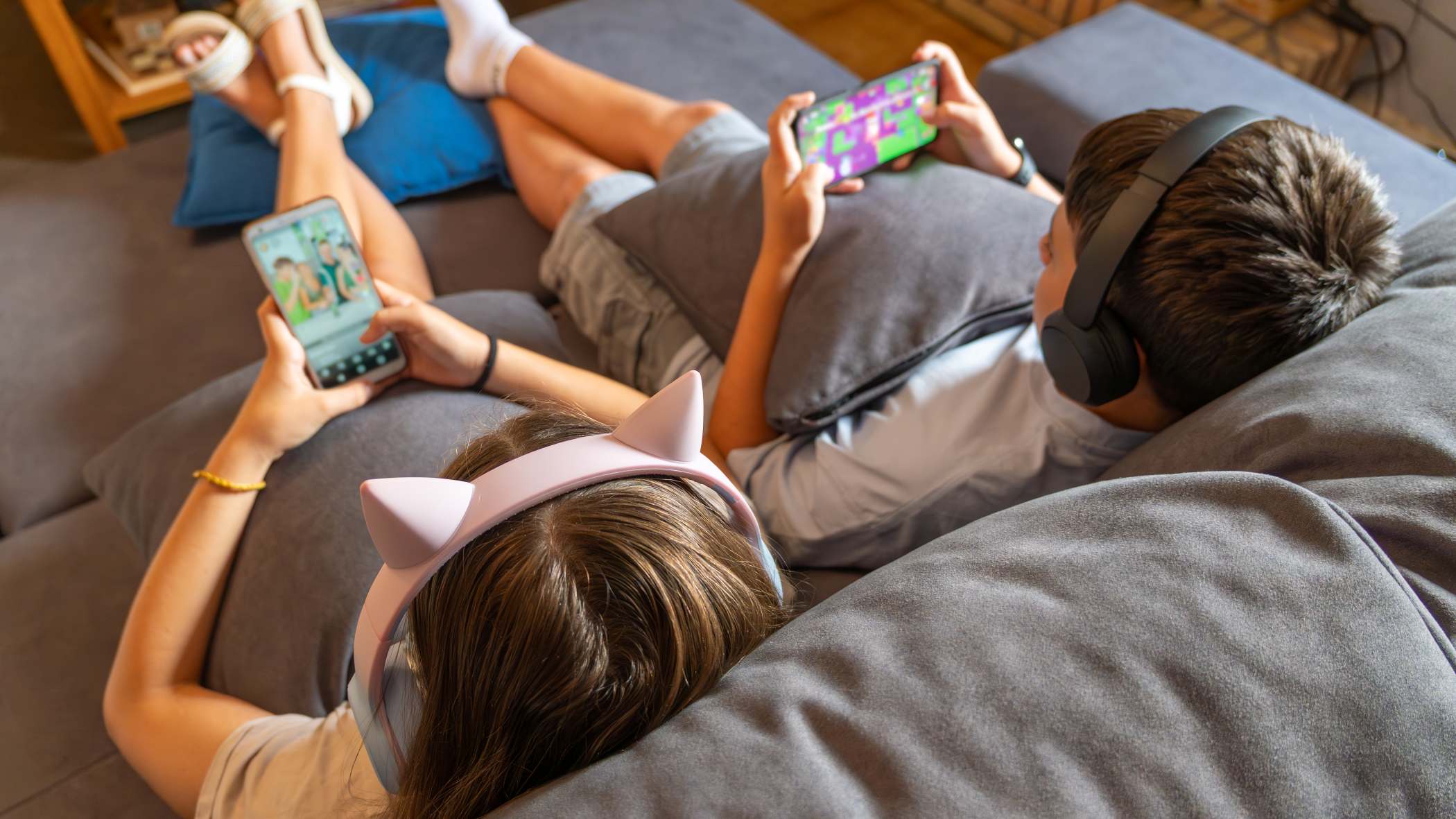
A global review, which analysed 23 meta-analyses containing data on nearly three million children across 64 countries, identified associations between screen use and various aspects of children’s mental health and development. According to the authors, these findings may help to inform and refine guidelines and policies on screen use. The results are published in the journal JAMA Pediatrics.

0
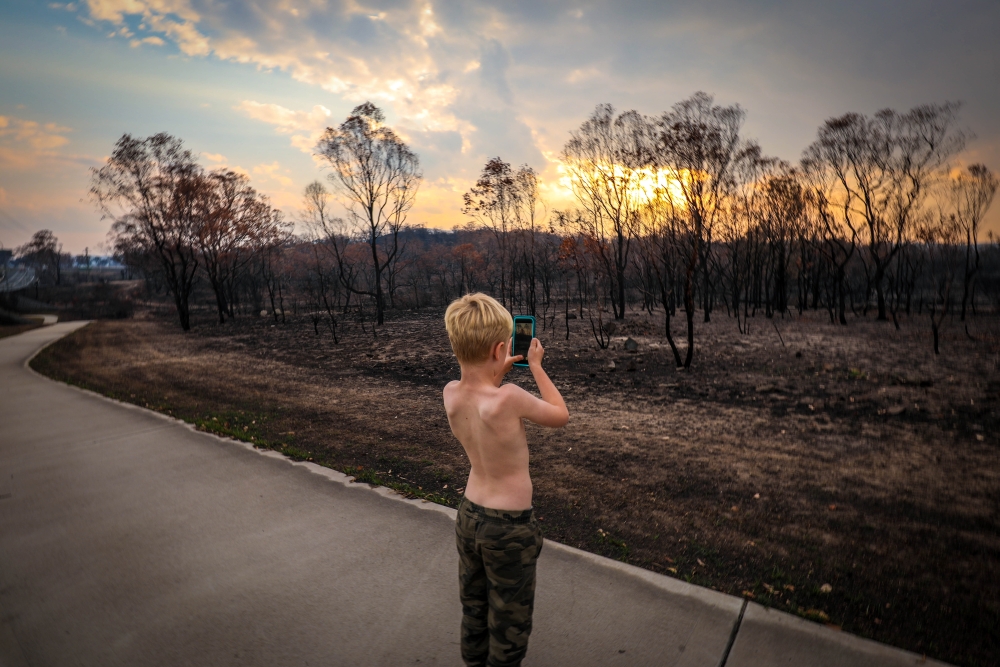
Babies born in Spain will now experience twice as many extreme weather events linked to wildfires as their grandparents did

A study published in the journal Environmental Research Letters estimates that babies born in Spain in 2025 will experience 7.3 more years of extreme weather conditions conducive to wildfires. The exposure for their grandparents, born in 1950, will be half that figure: 3.7 additional years. According to the authors, the vast majority of this increase is due to climate change rather than rising life expectancy. Limiting global warming to 1.5 °C, in line with the Paris Agreement, would reduce Spanish young people’s lifetime exposure to these conditions by more than a year, compared with current policies.

0

Childhood vaccination rates have plateaued or fallen in most EU countries since the start of the COVID-19 pandemic

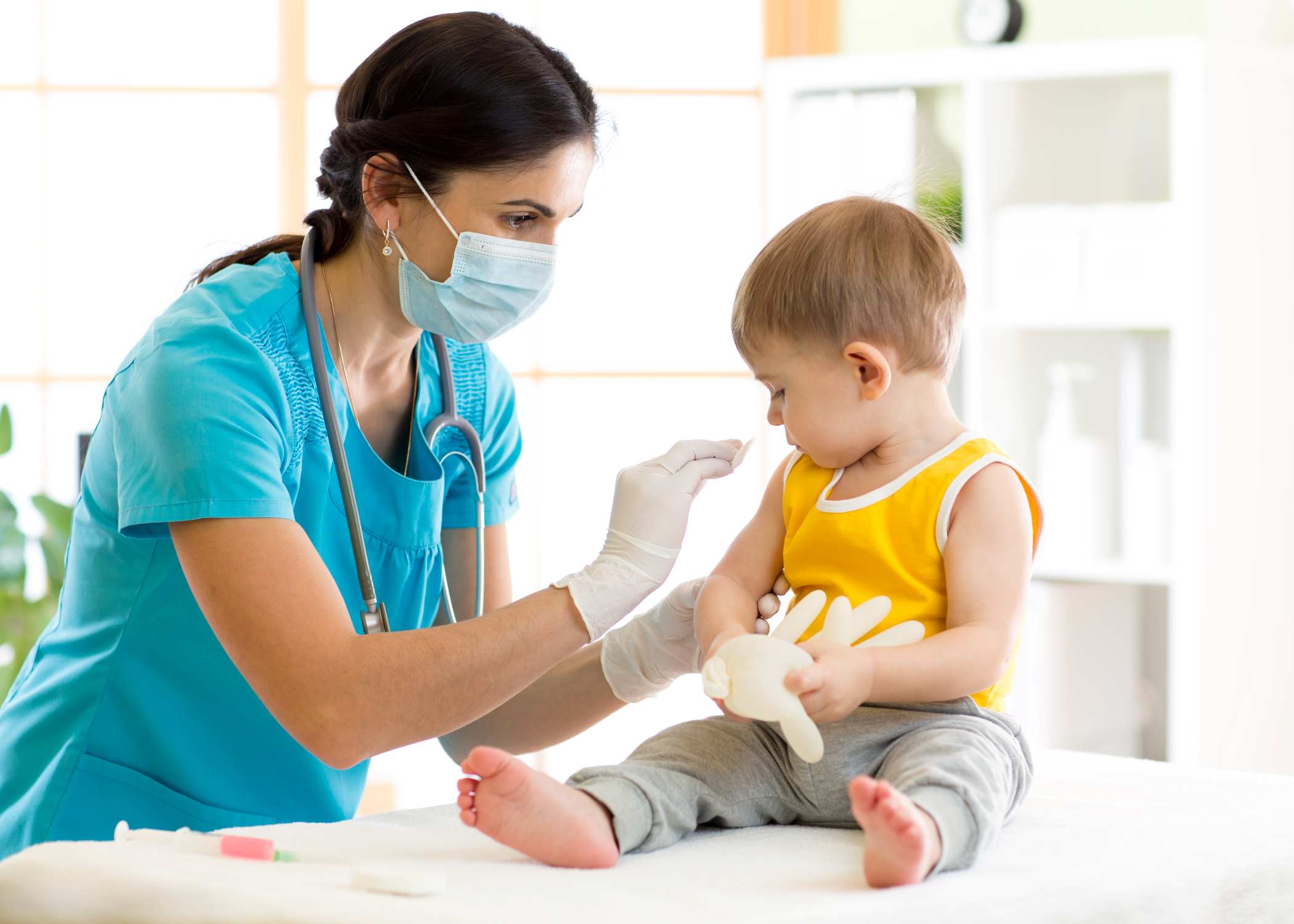
Childhood vaccination coverage has declined in most European Union (EU) countries in recent years, reversing some of the significant progress made since 1980, according to a study published in The Lancet Regional Health – Europe. The researchers analysed data from the World Health Organisation and UNICEF on coverage rates for seven childhood vaccines – diphtheria, tetanus and pertussis; hepatitis B; Haemophilus influenzae type b; measles; pneumococcal; poliomyelitis and rubella – across the 27 EU countries between 1980 and 2024. Most of the recent declines began between 2019 and 2022, coinciding with the COVID-19 pandemic. In Spain, the data point to a decline in vaccination rates for five of the seven childhood vaccines – whilst rates for rubella and measles increased.

0

Are the summer school holidays in Spain too long? What do we know about their impact on children’s academic performance and wellbeing?

Summer holidays in Spanish schools are amongst the longest in Europe, and every year the debate resurfaces as to whether their length is appropriate or excessive. Do they affect the knowledge and skills acquired? Could they have an impact on well-being? Do they affect all children equally? How could the summer months be improved for children and teenagers?

0

An analysis suggests that baby food pouches with spouts are more like sugary drinks or milkshakes than nutritious food

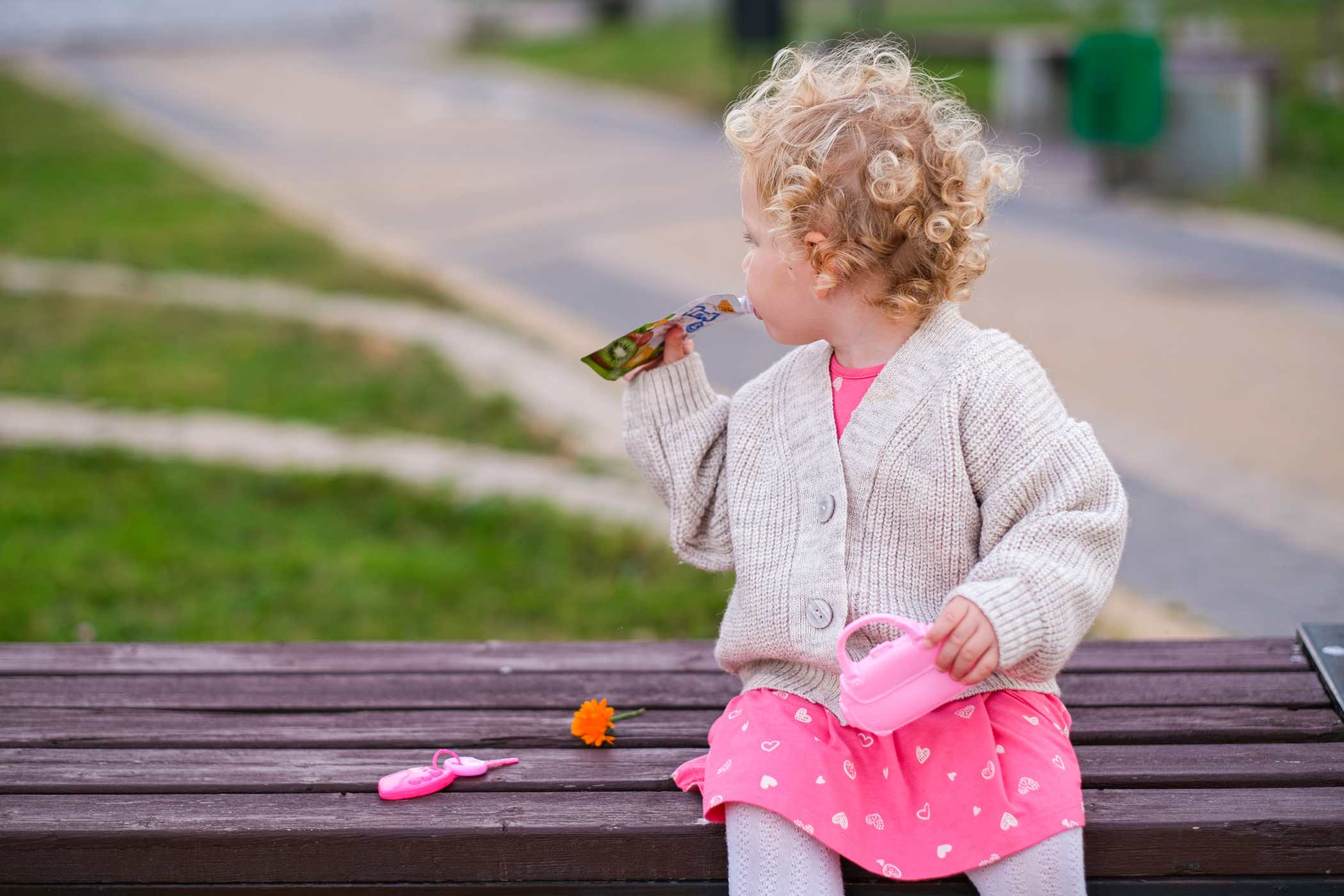
Baby foods sold in pouches with spouts — intended to supplement nutritional intake from six months onwards — tend to resemble sugary drinks and milkshakes more than nutritious foods, according to an analysis of products from the UK published in the journal Archives of Disease in Childhood, part of the BMJ group. The analysis shows that these products often have a higher sugar content and lower nutritional density than breast milk or infant formula, and frequently lack the texture needed to help babies learn to eat solid foods.


0

A study links early use of social media with lower scores in standardised tests

Pupils who set up a social media account in early adolescence appear to perform less well in subsequent standardised tests, according to a study published today in Nature Human Behaviour and based on a sample of 5,227 Italian pupils. The study is observational, so it does not allow for a causal link to be established between social media use and academic performance. Furthermore, it was carried out using questionnaires in which students had to recall and report on their use of these services when they were younger.

0

Air Conditioning vs. Climate Change: Indispensable or Incompatible?

Air conditioning in buildings is necessary to combat the high temperatures of summers, which are becoming increasingly long and hot; however, it is not without controversy due to its energy consumption and environmental impact. Today, the WHO is presenting its new guidance on health and heat action plans, in which it acknowledges that air conditioning is problematic, while also emphasizing the need for vulnerable populations to have access to these systems. In a recent briefing organized by SMC Spain, we analyzed its role in the fight against global warming.

0

A study warns that more than 10 million children in Asia and Africa have been subjected to online sexual exploitation or abuse

A study published in Nature estimates that more than 10 million children in countries across East and Southern Africa and Southeast Asia have experienced at least one form of online sexual exploitation and abuse, including harassment, the sharing of images without consent, and blackmail. This means that one in six children who use the internet is affected. The analysis is based on data from nearly 12,000 children aged 12 to 17 in 12 countries across Africa and Asia collected between 2020 and 2021, and warns that the actual number could be higher, as many of these incidents went unreported. When they did report incidents, minors primarily turned to informal channels, especially friends, rather than formal reporting mechanisms such as the police or helplines.


0

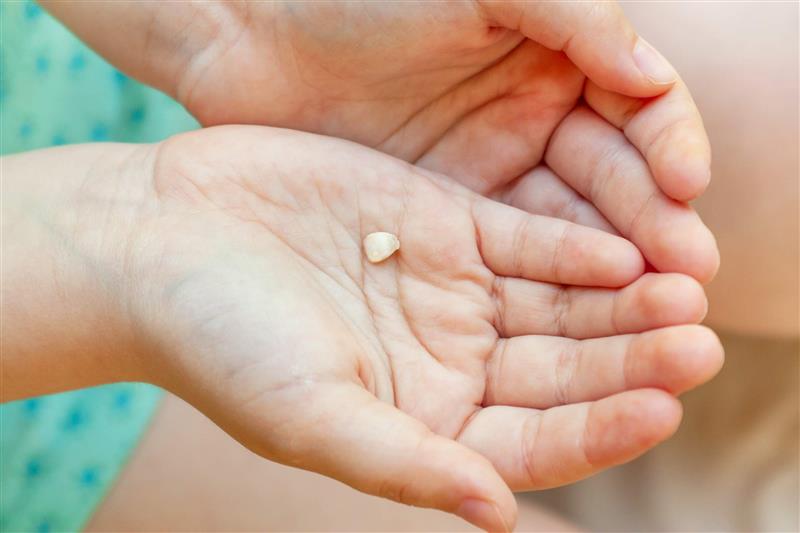
Babies’ brains are most vulnerable to toxic metals between six and nine months of age, according to a study of milk teeth

Exposure to neurotoxic metals poses the greatest risk to children’s brain development between the ages of six and nine months, according to an analysis of baby teeth from 489 children in Mexico. The study, published in Science Advances, identifies this window as a critical developmental stage during which exposure to these metals is linked to increased behavioural problems in childhood and smaller brain volume. The study includes boys and girls aged between 8 and 14 years old and uses their milk teeth as biomarkers to reconstruct concentrations of lead, zinc, copper, manganese, magnesium, lithium, strontium, barium and tin, from 20 weeks before birth to 40 weeks after.

0