climate change

climate change

climate change

Reactions to planting trees in drylands to fight climate change

A study published in Science analyses the potential climate benefits of afforestation - both planting trees to create new forests and reforesting old ones - of the world's drylands. The authors show that the cooling effect of afforestation of this vast area would only amount to a decrease of about 1 % of projected greenhouse gas emissions in the business-as-usual and medium-emissions climate scenarios.

0

Reaction: up to two thirds of urban tree species withstand climatic risk conditions

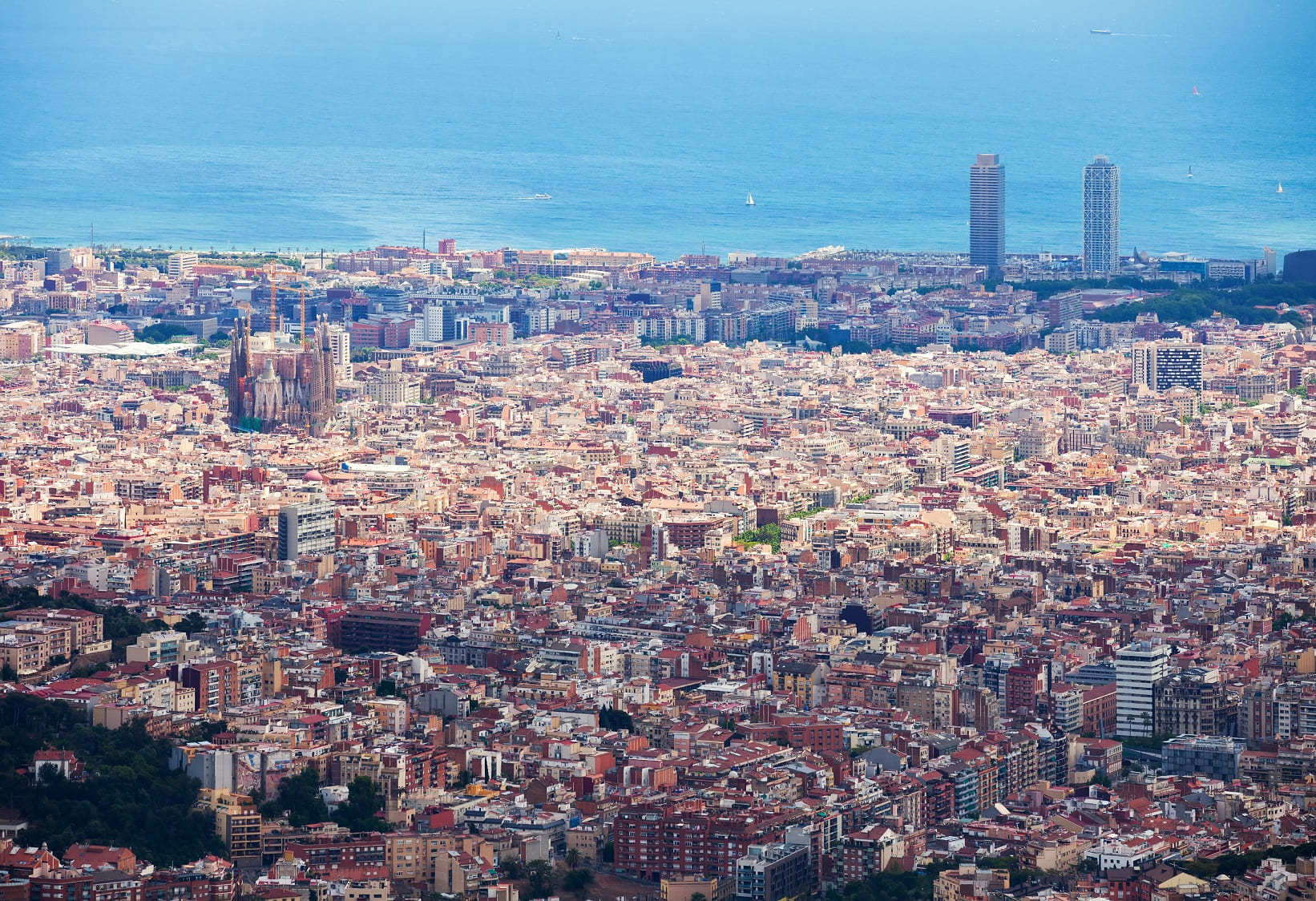
International research on more than 3,000 tree and shrub species in 164 cities -including Barcelona, Valencia and Santa Cruz de Tenerife- reveals that up to two-thirds of urban tree species may already be experiencing climatic conditions that exceed their potential climate tolerance. The study is published in Nature Climate Change.

0

Climate emergency means public health crisis

Last week saw the conclusion of the XL Annual Meeting of the Spanish Society of Epidemiology under the theme: "Challenges of the 21st Century: Environment, Climate Change and Social Inequalities". Climate change is the most important environmental challenge with an impact on public health facing society today. It is also a social challenge, as it further accentuates inequalities and inequities in health.

1

Reaction to Mbappé and Galtier's (PSG) press conference and their response to the question about air travel and climate change

At Paris Saint-Germain's (PSG) press conference ahead of their Champions League opener, Kylian Mbappé and Christophe Galtier (PSG player and coach) were asked about the team's recent trip by plane to Nantes and why they didn't travel by train, when the distance is 341 kilometres and the train takes less than two hours. Both laughed at the question and Galtier replied, ironically, that next time they were considering doing it in a "sailing carriage".

Reaction to study claiming that the frequency of heatwaves will increase this century

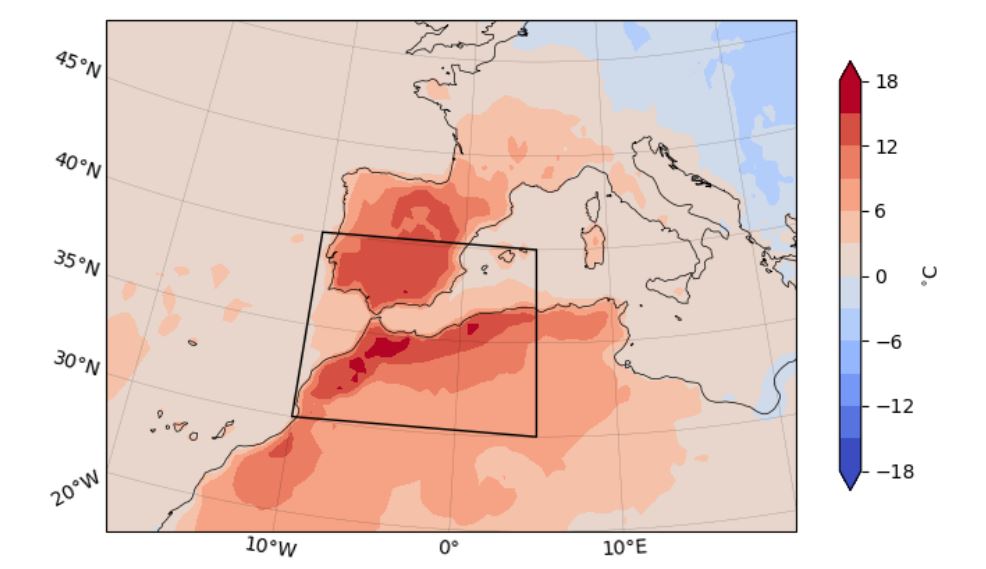
Research estimates that the rise in global average temperatures could approach 2 ˚C by 2050. The study, published in Communications Earth and Environment, estimates that by 2100 many people living in tropical regions will be exposed to dangerously high levels of heat on most days of the year. In addition, deadly heatwaves, which are currently rare in mid-latitudes, could occur every year in these areas.

Reaction to the study that calculates how much emissions would be reduced if people cycled like in the Netherlands

A study published in the journal Communications Earth & Environment (from Nature Research) estimates that a reduction of 686 million tonnes of carbon emissions could be achieved each year if the world followed a cycling pattern similar to that of the Netherlands (2.6 kilometres per day). This is about 20 % of the carbon emissions produced by the global passenger car fleet in 2015.

0