climate change

climate change

climate change

Researching the health effects of high temperatures goes beyond estimating deaths

Counting deaths attributable to the effects of high temperatures is basic as a public health surveillance tool, but it should not become the only research objective. It is necessary to know why the population in some places adapts better than others to heat waves, what variables influence them, and to modify them when possible.

1

Addressing chronic thirst in times of climate crisis

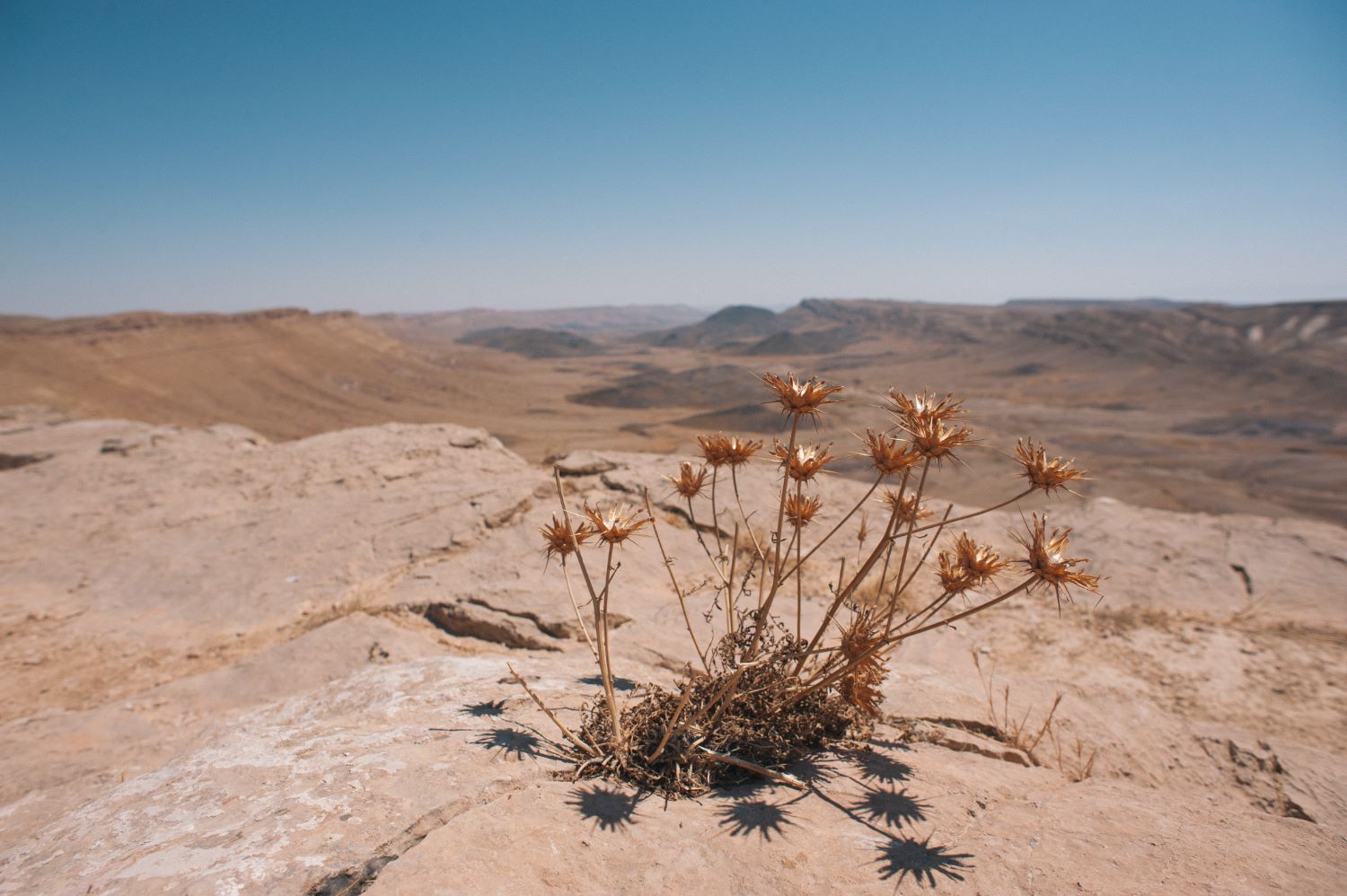
With the prolonged meteorological drought we find ourselves in, we are focusing too much on climate as its cause, while there is a lack of debate about the real problem: chronic water demand. It is necessary to rethink consumption models with all the actors of society and the competent administrations. A future adapted to climate change must address drought by prioritizing the restoration of our water systems and questioning the current development model.

1

Sixth-generation wildfires: what they are, how climate change affects them and ways to prevent them

Rising temperatures, droughts, heat waves and abundant untreated material in forests are the perfect cocktail for fires to break out. When they are beyond the control of firefighting services - because of their intensity, speed and unpredictability - we speak of mega-fires or sixth generation wildfires, a phenomenon that is not new but whose frequency could increase due to rural abandonment and climate change. Some experts have thus described the fire in Tenerife that began on August 15 and has forced the evacuation or confinement of thousands of people.

0

Reactions: The main current system of the Atlantic Ocean could collapse in the middle of the century

The Atlantic Meridional Circulation (AMOC), a large system of ocean currents that transports warm water from the tropics to the North Atlantic, could collapse around the year 2050 with serious consequences for the climate, according to estimates by researchers at the University of Copenhagen (Denmark). The IPCC considered a complete collapse unlikely during the 21st century. The results are published in the journal Nature Communications and the authors do not rule out that this collapse may be partial.

0

Reactions: July heatwaves in Europe and North America "almost impossible" without climate change

An attribution study by World Weather Attribution (WWA) concludes that the heatwaves in Europe and North America this July would have been "almost impossible" without climate change. Over the past few weeks, southern Europe, parts of the United States, Mexico and China have experienced severe heatwaves with temperatures exceeding 45 °C. The WWA report notes that in China the heatwave was at least 50 times more likely due to the climate crisis.

0

Anthropocene: what it is and why it generates debate among scientists

The term Anthropocene describes the profound changes on Earth due to human activities in the past decades. The concept comes from geology but has spread to other areas and has sparked controversy within science. In this article, we provide some keys to understand what the Anthropocene is, and why there has been debate in recent days surrounding its possible declaration.  

0

Reactions: record heat in summer 2022 caused more than 61,000 deaths in Europe, more than 11,000 of them in Spain

The heat waves that took place in Europe during the summer of 2022 were associated with more than 61,000 deaths on the continent, more than 11,000 of them in Spain. These are the results of a modelling study published in the journal Nature Medicine and led by ISGlobal researchers.

0

Reactions: World Meteorological Organisation declares onset of El Niño conditions

The World Meteorological Organisation (WMO) has declared the onset of El Niño conditions on Tuesday. "The declaration of El Niño by the WMO is the signal for governments around the world to mobilise preparations to limit the impacts on our health, our ecosystems and our economies," said WMO Secretary-General Petteri Taalas. According to the WMO statement, El Niño conditions have developed in the tropical Pacific for the first time in seven years, setting the stage for a likely rise in global temperatures and altered weather and climate patterns.

0