neurodegenerative diseases

neurodegenerative diseases

neurodegenerative diseases

Reactions: use of erectile dysfunction drugs associated with reduced risk of Alzheimer's in men

Drugs to treat erectile dysfunction may be associated with a reduced risk of Alzheimer's disease, according to an observational study of nearly 270,000 men, published in Neurology. The research does not prove that these drugs reduce the risk of Alzheimer's, but only shows an association.

0

Reactions: five cases of Alzheimer's described that may have been transmitted by growth hormone treatments from cadavers

Researchers have described five cases of people in the UK who developed Alzheimer's-like dementia after being treated as children with growth hormone from cadavers. The treatment was administered between 60 and 40 years ago. This suggests that the disease could be transmitted. However, the authors point out that this is a very rare occurrence and could have been caused by repeated exposure to a type of hormone that is no longer used. The results are published in the journal Nature Medicine.

0

Reactions to the study associating hearing loss with a higher risk of dementia

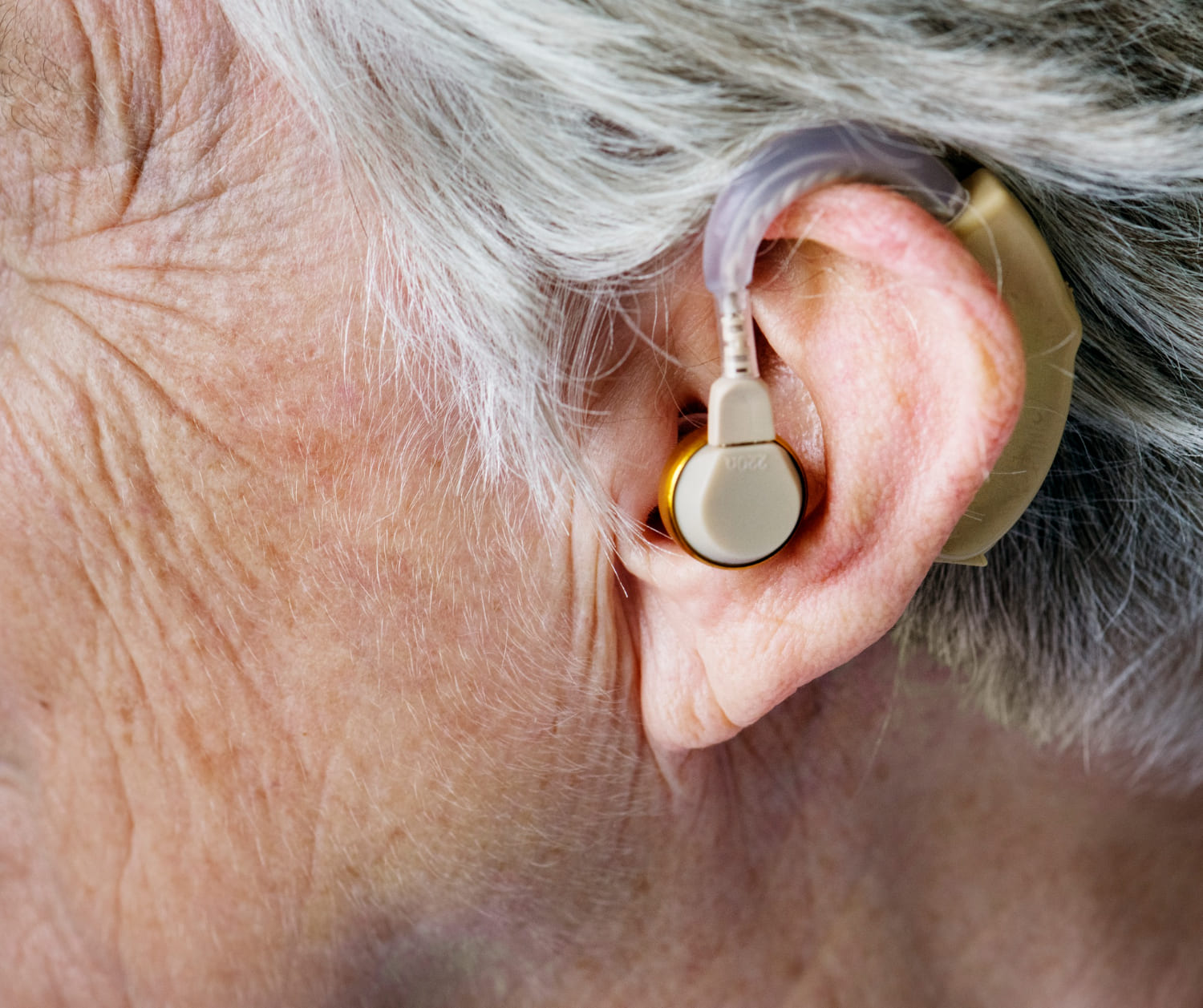
A Danish study involving over half a million individuals aged 50 and above, tracked for an average of nearly nine years, reveals that hearing loss is associated with a higher risk of dementia, particularly among those who do not use hearing aids. According to the authors, whose research is published in JAMA Otolaryngology–Head & Neck Surgery, this suggests that hearing aids may prevent or delay the onset and progression of dementia.

0

Reactions: blood test can measure organ age

A study of more than 5,000 patients has developed a method to predict the biological age of our organs. They have analysed more than 4,000 proteins present in the blood and used machine learning models adapted to 11 different organs. According to the authors, almost 20 % of the population has accelerated organ ageing, which in many cases is associated with an increased risk of mortality of between 20 and 50 %. The results are published in the journal Nature.

0

Reaction: an early-phase trial with stem cells yields positive results against progressive multiple sclerosis.

The injection of a type of stem cell into the brains of patients living with progressive multiple sclerosis (MS) is safe, well-tolerated, and has a lasting effect that appears to protect the brain against further damage, according to an early-phase trial published today in the journal Cell Stem Cell.

0

Reaction: neuroprosthesis helps Parkinson's patient to walk

A neuroprosthesis that electrically stimulates an area of the spinal cord of a man with Parkinson's disease improved his mobility and balance, according to results presented in Nature Medicine. The 62-year-old patient had severe difficulties walking and frequent falls, despite trying other treatments. After trials in non-human primates, this is the first time this technology has been tested in a human being, who has now been using the neuroprosthesis about eight hours a day for two years. 

0

Reaction: Study finds tai chi may slow progression of Parkinson's disease

Research by researchers in Shanghai, China, suggests that continued practice of tai chi can slow the progression of Parkinson's disease symptoms and delay the need for increased doses of medication. The study compared 143 people who underwent tai chi training with 187 non-trainees who served as a control group. The results are published in the Journal of Neurology Neurosurgery & Psychiatry.

0

Reactions: Pharma's Eli Lilly publishes results of phase 3 trial of Alzheimer's drug donanemab

In a press release last May, Eli Lilly announced positive results from a phase 3 trial of donanemab antibody therapy to treat early-stage Alzheimer's disease. Now, the study, which included 1,736 people in eight countries over an 18-month period, is published in the journal JAMA and shows that, in some cases, clinical progression of the disease was slowed.

0

Reactions to the approval of lecanemab for the treatment of Alzheimer's patients in the US

The drug lecanemab (Leqembi™) has received full approval as a treatment for early Alzheimer's disease by the US Food and Drug Administration (FDA), after confirming its clinical benefit in a trial involving 1,795 patients. The FDA highlights the warning that in rare cases it can cause serious and potentially life-threatening side effects.

0

Reactions: movement data can predict Parkinson's risk years before diagnosis

Parkinson's disease is usually diagnosed when there is already extensive neuronal damage and symptoms are evident. Now, researchers at Cardiff University in the UK have used movement and sleep quality data from wearable accelerometers and concluded that they can help identify the disease early, years before clinical diagnosis. Although there is no effective preventive treatment, the authors propose that the tool can determine people at risk of developing Parkinson's disease and identify participants for clinical trials of neuroprotective treatments. The results are published in the journal Nature Medicine.

0