neurodegenerative diseases

neurodegenerative diseases

neurodegenerative diseases

Reaction: First genetic variant associated with severity of multiple sclerosis identified

An international team, involving researchers from Hospital Clínic-IDIBAPS and the Multiple Sclerosis Centre of Catalonia (Cemcat), has identified for the first time a genetic variant related to the progression of multiple sclerosis. It is located near two genes that had not previously been linked to multiple sclerosis. According to Stephen Sawcer, co-lead author of the study, "understanding how the variant exerts its effects on the severity of multiple sclerosis will pave the way for a new generation of treatments that can prevent disease progression". The results are published in the journal Nature.

0

Reactions to clinical trial of Parkinson's drug to slow down ALS

A research team in Japan has published a small clinical trial in 20 people with amyotrophic lateral sclerosis (ALS) of a drug called ropinirole, which is commonly used in patients with Parkinson's disease. The authors, whose study is published in Cell Stem Cell, say the treatment is safe and slowed the progression of ALS - an incurable neurodegenerative disease - by an average of 27.9 weeks.

0

Reactions: pre-publication claims part of dementia cases are caused by herpes-like viruses

An international team of scientists, led by Stanford University (United States), has designed a study to analyse the relationship between herpes zoster virus infections and the development of dementia. To do so, they took advantage of the introduction of the Zostavax vaccine against this virus in 2013 in Wales (UK), which people over the age of 80 could not receive. After reviewing data from people around this age over the following seven years, they concluded that the vaccine reduced the relative risk of dementia by 20%. According to the authors, their study, which is in prepublication form and has not been peer-reviewed, "leads to the conclusion that shingles vaccination is most likely an effective way to prevent or delay the onset of dementia".

0

Reaction: study shows Alzheimer's drug lecanemab helps neutralise the effects of small toxic amyloid aggregates

Research led by scientists at Harvard Medical School (USA) has isolated small aggregates of amyloid from the brains of post-mortem Alzheimer's patients. The achievement has made it possible to study the structure of these "clumps", which exist outside plaques and are considered highly toxic, and to test their effect on synapses. In addition, the authors have shown that the drug lecanemab, recently approved by the FDA, is able to bind to them and help neutralise their action. The results are published in the journal Neuron.

0

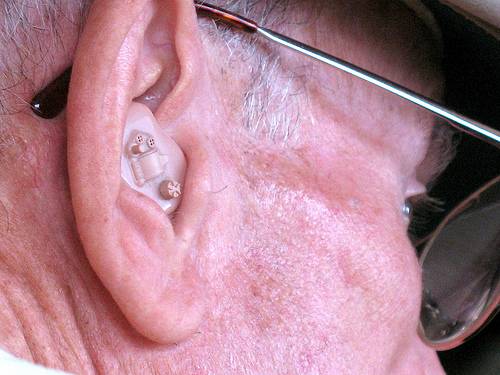
Reactions: Hearing aid use reduces risk of dementia in hearing-impaired people

A Lancet Commission study in 2020 estimated that hearing loss is associated with 8% of dementia cases worldwide. Now, a paper has analysed data from more than 400,000 people collected at the UK Biobank. Their findings show that the risk of developing dementia is 42% higher in people with hearing problems, but this increased risk disappears in those who use hearing aids. According to the authors, whose work is published in The Lancet Public Health, the data "highlight the urgent need to introduce hearing aids early when someone starts to experience hearing problems".

0

Reactions: study suggests elite footballers more likely to develop dementia

Swedish research involving more than 6,000 male footballers in the country's top division (between 1924 and 2019) indicates that they were 1.5 times more likely to develop a neurodegenerative disease compared to the population analysed who were not involved in professional football. Unlike outfield players, goalkeepers did not have this increased risk, which, according to the authors, supports the hypothesis that impacts to the head when striking the ball could explain the increased risk. The study is published in The Lancet Public Health.

0

Reactions: data from Alzheimer's clinical trial with lecanemab antibody published

A few weeks ago, a press release from the Biogen and Eisai companies reported significant results from their lecanemab antibody for the treatment of early-stage Alzheimer's. The data from the phase 3 trial are now published in the New England Journal of Medicine, coinciding with the CTAD conference on Alzheimer's disease clinical trials in San Francisco. Data from the phase 3 clinical trial are now published in the New England Journal of Medicine, coinciding with the 15th CTAD Alzheimer's disease clinical trials conference in San Francisco.

0

Reaction to the study finding prion forms in the brains of people with dementia and Down syndrome

People with Down syndrome are at high risk of developing dementia very similar to that caused by Alzheimer's disease. A study published in the journal PNAS has found that in these people, as had been observed in "classic" Alzheimer's, the characteristic proteins of the disease have prion-like features.

0

Reaction to clinical trial testing treatment for a form of ALS

The New England Journal of Medicine reports the publication of data from a clinical trial studying the drug Tofersen against a form of Amyotrophic Lateral Sclerosis (ALS) caused by mutations in the SOD1 gene, which accounts for 2% of sporadic ALS. Six months after treatment, some biomarkers of neuronal damage improved, but not the clinical condition of the patients. In an extension of the study, with no placebo group, a slowing of functional loss was observed, although the researchers acknowledge that there are limitations in interpreting this result.

0