paleontology

paleontology

paleontology

A study suggests that a genetic variant that influences current relative brain volume was inherited from Neanderthals

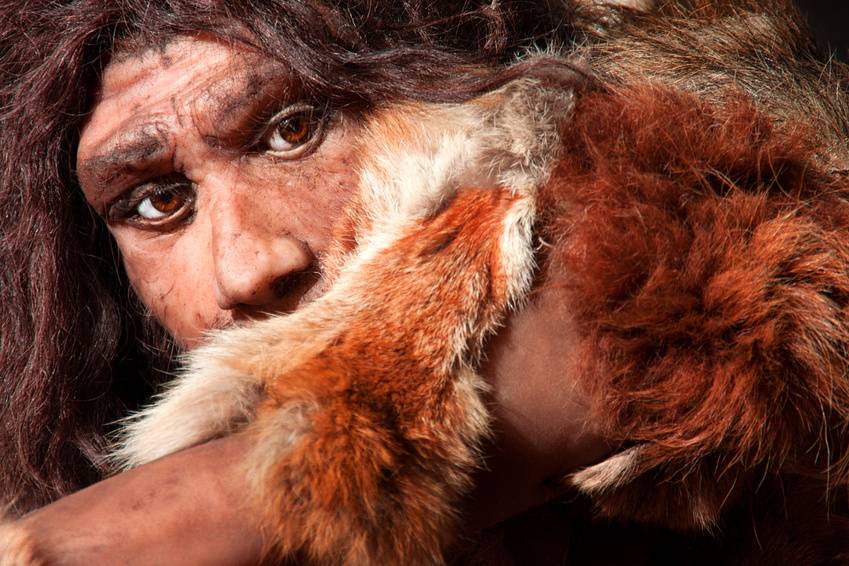
Neanderthals had larger and more elongated skulls than modern humans, suggesting differences in relative brain volume as well. A study published in the journal PNAS — via a special publication channel reserved for members of the National Academy of Sciences, which allows them to select the reviewers — identifies a genetic sequence inherited from Neanderthals that reduces occipital brain volume in modern humans. Analysis of modern human genomes in the 1,000 Genomes Project indicated that this DNA segment is found only outside Africa. Based on association studies, the authors observed a reduction of almost 10 per cent in the risk of schizophrenia in people with two copies of the variant, but found no significant associations between the variant and general cognitive ability.
0

What is believed to be the first diplodocus found outside North America has been discovered in Teruel

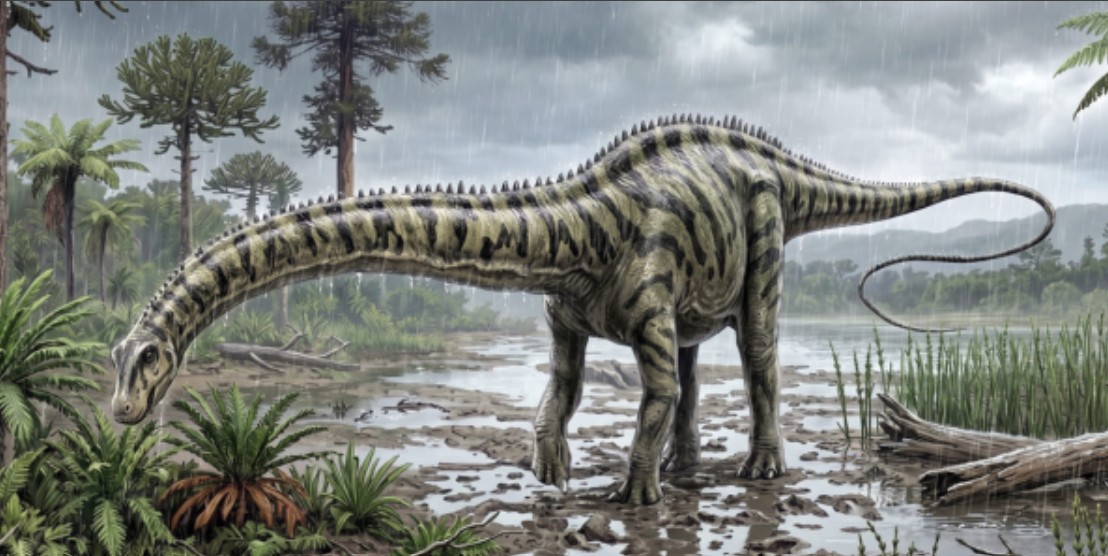
A team from the Teruel-Dinópolis Joint Palaeontological Foundation has discovered, at the La Tejería site in El Castellar (Teruel), the remains of what could be the first diplodocus found outside North America. The research, published in the Journal of Vertebrate Palaeontology, describes 14 exceptionally well-preserved caudal vertebrae from the tail and several cheurones (tail bones). According to the authors, “osteological comparisons and phylogenetic analyses consistently placed the specimen within the genus Diplodocus”. The specimen, which dates back some 150 million years, provides the first intercontinental evidence for this genus and constitutes one of the most robust pieces of palaeontological evidence for episodes of faunal dispersal and exchange between the two continents across the proto-Atlantic Ocean during the Late Jurassic.

0

Hominids used fire more than 700,000 years earlier than previously estimated, according to a study involving Spanish researchers

An international team led by the National Museum of Natural Sciences (MNCN-CSIC) and the University of Toronto (Canada) has discovered that Homo erectus were already using fire on a regular basis 1.07 million years ago and 1.79 million years ago at the Wonderwerk Cave (South Africa). Previous evidence had placed more regular and controlled use of fire one million years ago in Africa at that same site. The team, whose study is published in PLoS ONE, used a novel non-invasive technique based on luminescence.


0

A new fossil suggests that the closest ancestors of modern apes originated in North Africa rather than in the East

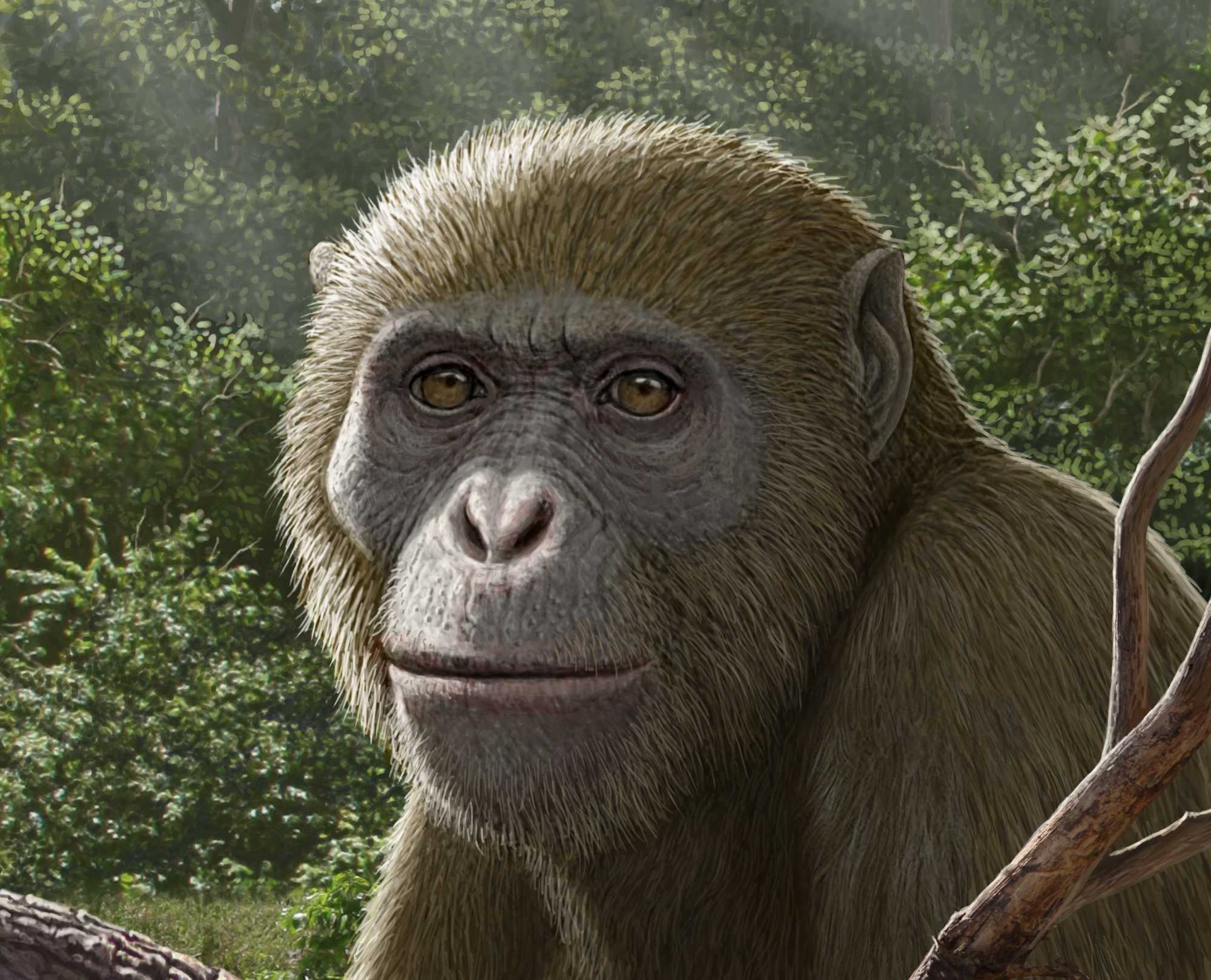
A newly discovered ape fossil in northern Egypt suggests that the closest ancestors of modern apes may have originated in North Africa, outside the East African regions that have traditionally been studied. Dating back between 17 and 18 million years, the new species —Masripithecus moghraensis — represents the closest known hominid relative to the lineage that ultimately gave rise to all living apes, including humans. The study is published today in the journal Science. 

0

Hominid fossils discovered in Morocco could be from ancestors very close to modern humans

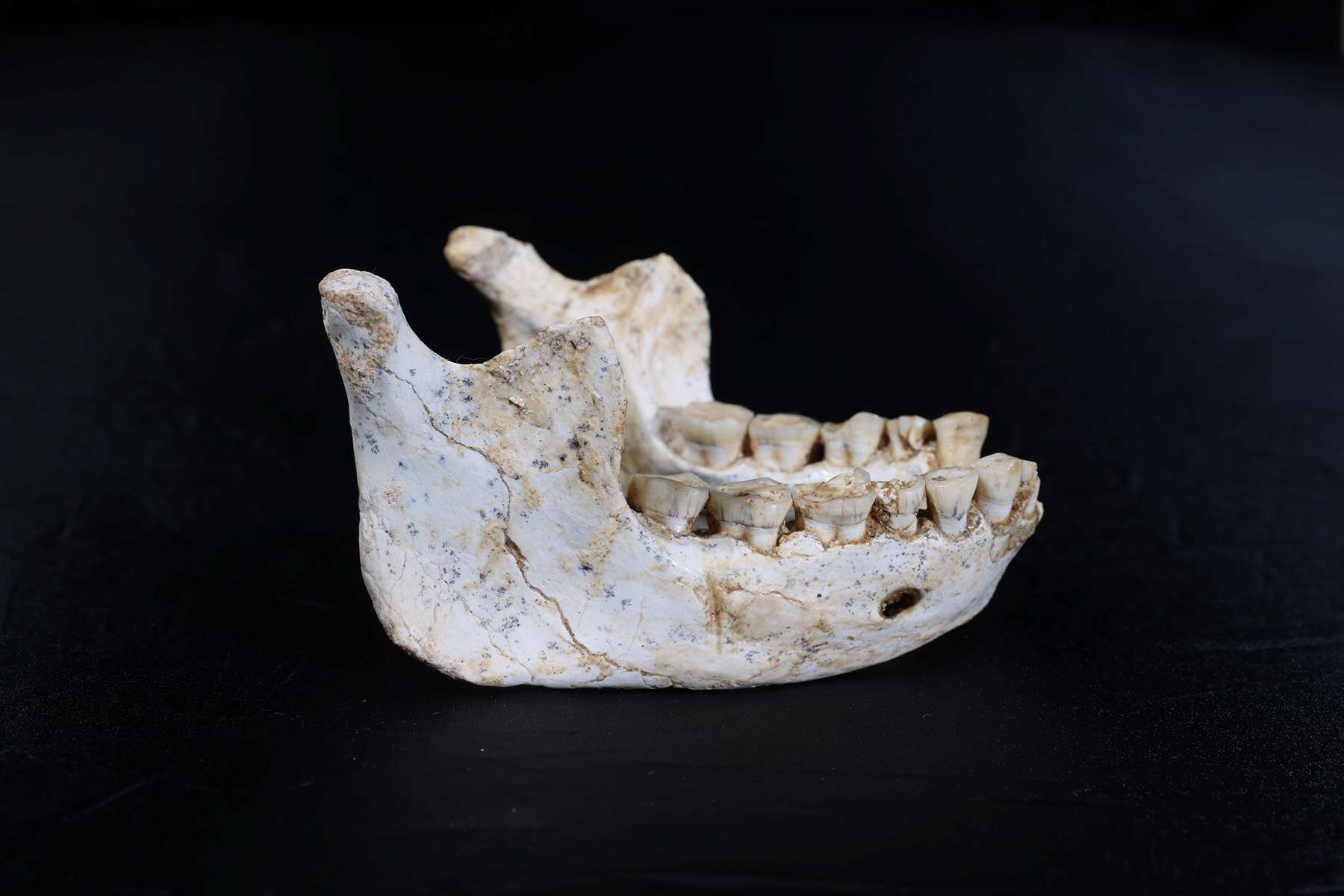
An international team with Spanish participation has analysed hominid remains discovered in Casablanca (Morocco) and concluded that they could be very close ancestors of early modern humans. The fossils date from around the same period as the Homo antecessor found in Atapuerca—some 773,000 years ago—but are morphologically different. According to the authors, who published their findings in Nature, the fossils offer clues about the last common ancestor shared with Neanderthals and Denisovans, and support an African, rather than Eurasian, origin for H. sapiens.

0

A study indicates that dinosaurs were not in decline before the meteorite impact, as some theories suggest

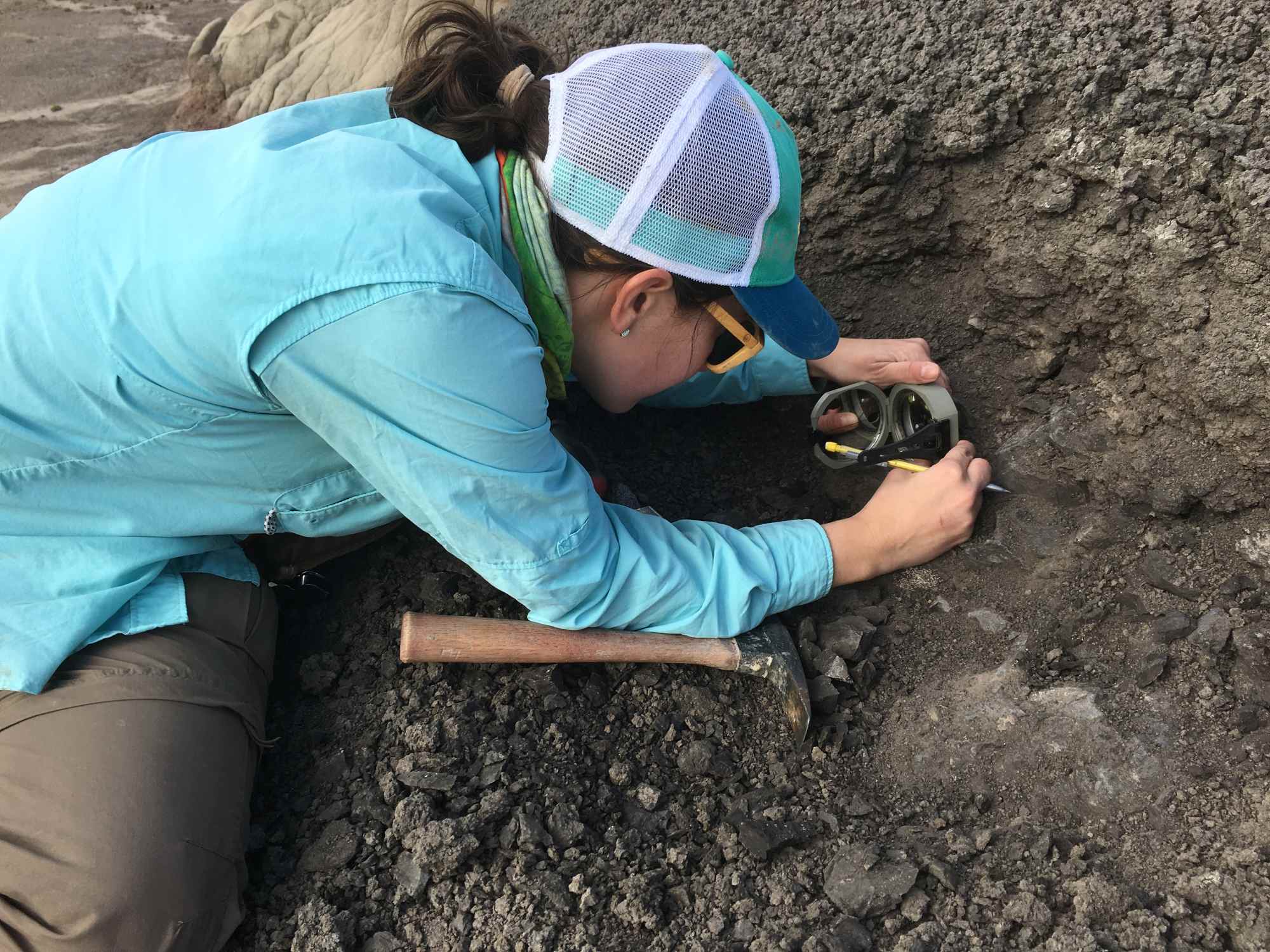
Although it is accepted that the impact of a large meteorite was what caused the extinction of the non-avian dinosaurs at the end of the Cretaceous, there are various theories as to whether their disappearance was sudden or if their population was already in gradual decline. An international team with Spanish participation has analyzed new fossil data from northern New Mexico (USA) and concluded that they were not in decline, but were abruptly exterminated by the impact that occurred some 66 million years ago. The results are published in the journal Science.  

0

The oldest human ‘face’ in Western Europe has been discovered

A fragment of a human face discovered in 2022 at the Sima del Elefante site in the Sierra de Atapuerca (Burgos) and dated to between 1.1 and 1.4 million years ago represents the oldest known face in Western Europe. The fossil, nicknamed ‘Pink’, does not belong to Homo antecessor, but has been provisionally catalogued as Homo affinis erectus. The find, which is published in the journal Nature, could indicate that Western Europe was populated by at least two species of hominids during the Early Pleistocene: Homo affinis erectus and, later, Homo antecessor.

0

Genomic analysis clarifies the chronology of Neanderthal-modern human admixture and its genetic impact on our species

A team of researchers has analyzed more than 300 human genomes from the last 50,000 years and has concluded that most of the gene flow we received from Neanderthals is attributable to a single period, which probably occurred between 50,500 and 43,500 years ago. In addition, Neanderthal inheritance underwent rapid natural selection in subsequent generations, especially on the X chromosome, according to a study published in Science.

0

Footprints of coexistence of different hominids described in Kenya 1.5 million years ago

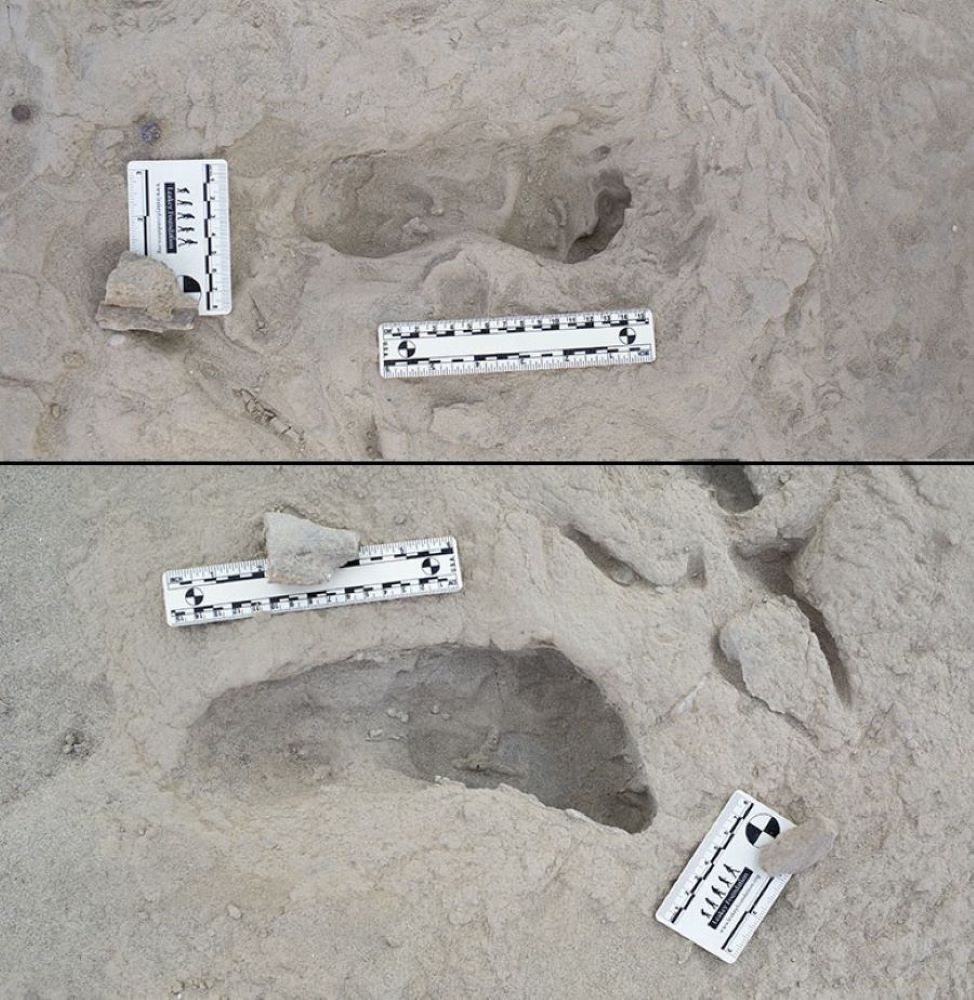
At least two hominin species - Homoerectus and Paranthropus boisei- coexisted in Kenya's Turkana Basin around 1.5 million years ago, a study published in Science confirms. The authors describe the first physical evidence of this coexistence in the form of footprints, found at several sites in the area.

0

Mammoth DNA recovered for the first time with its chromosome structure

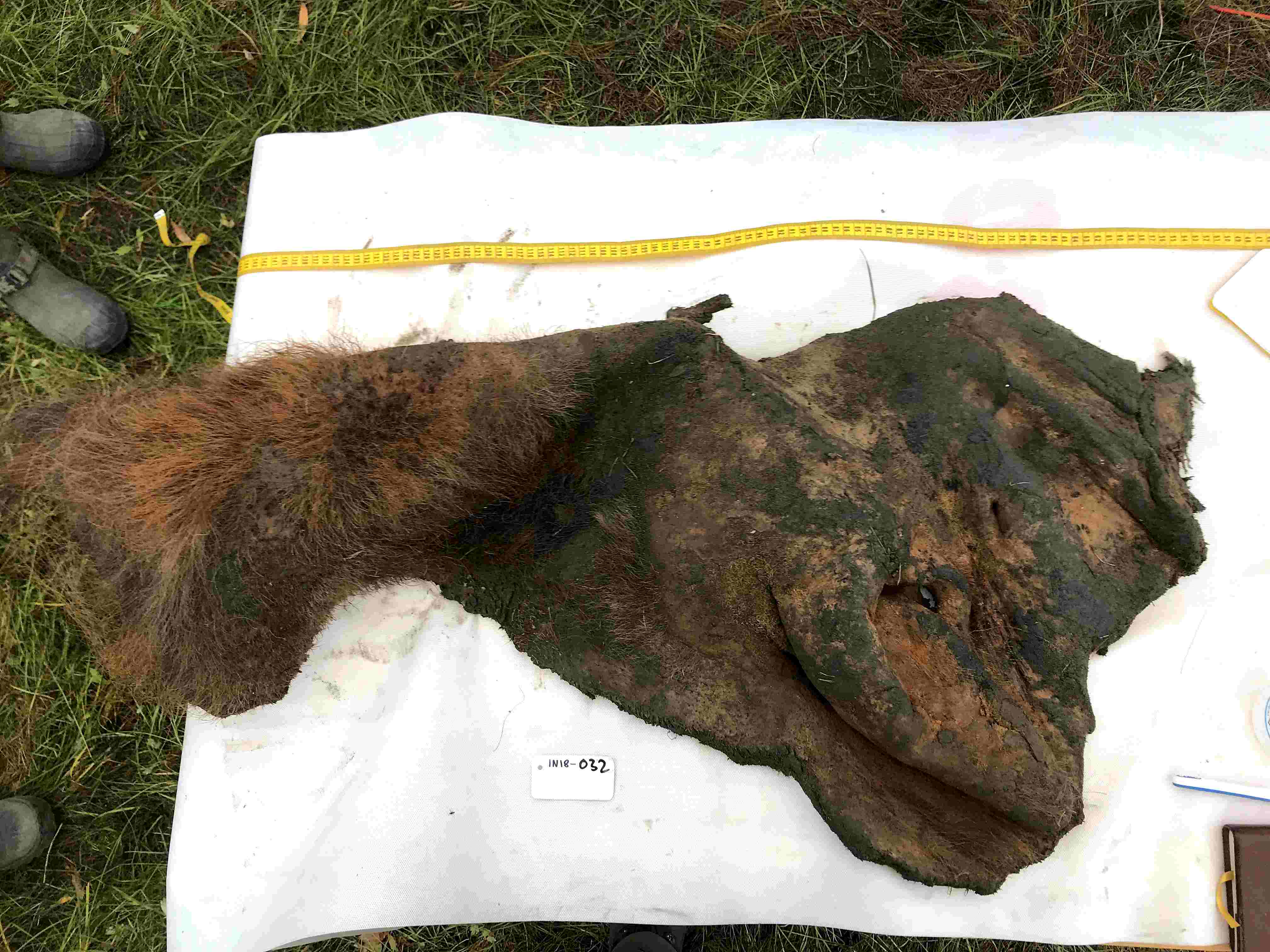
An international team of scientists, including researchers from the CRG and the CNAG (Barcelona), have managed to recover DNA remains from a female woolly mammoth that died in Siberia 52,000 years ago. The novelty is that, for the first time, the remains conserve the three-dimensional structure in the form of chromosomes, which makes it possible to investigate the genes that were active. According to one of the authors of the study, the results of which are published in the journal Cell, this type of discovery "changes the rules of the game, because knowing the shape of the chromosomes of an organism allows us to assemble the entire DNA sequence of extinct creatures and obtain information that was not possible before".

0