rare diseases

rare diseases

rare diseases

An investigation alleges that the death of a girl in China was covered up after she was given an experimental gene therapy

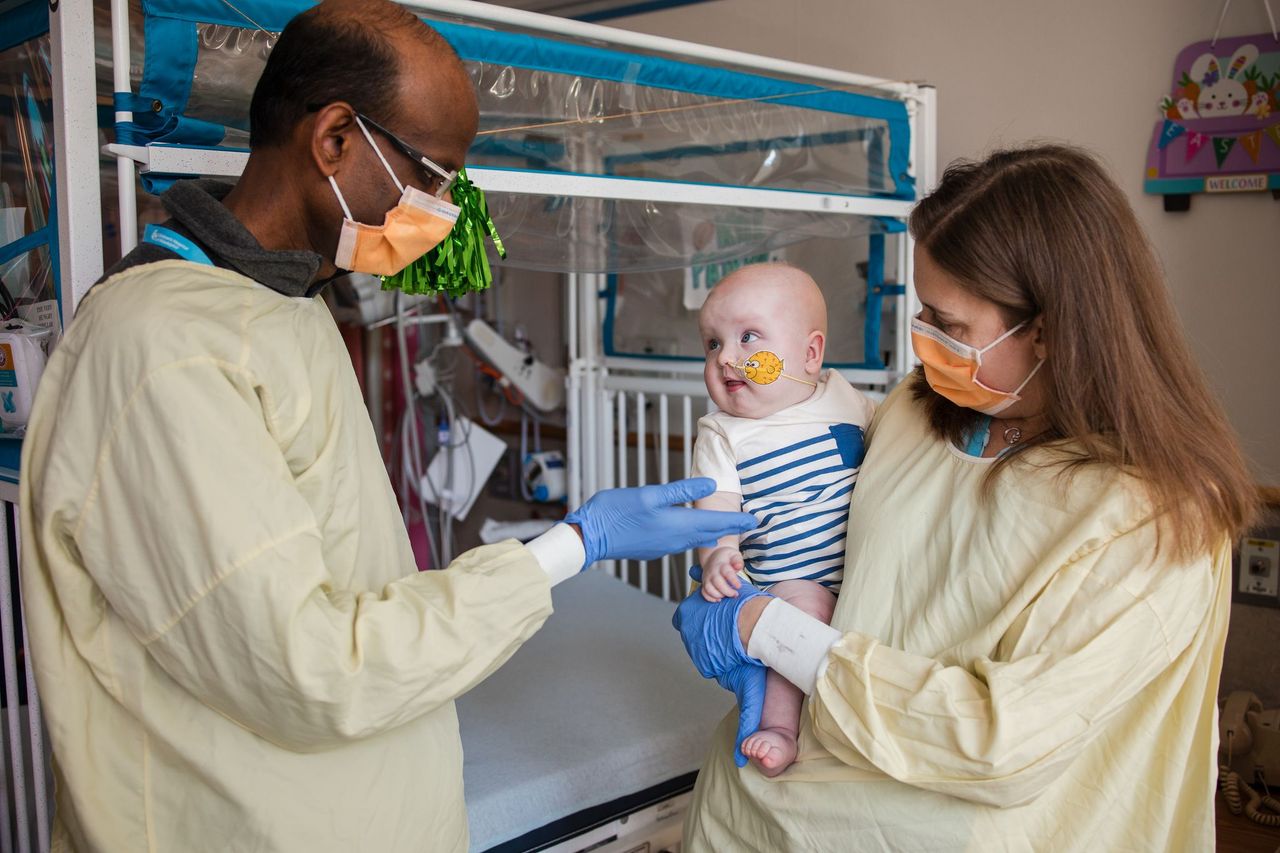
In 2025, a six-year-old Chinese girl named Mei (not her real name) became the first person in the world to undergo gene-editing therapy targeting the brain. She had a developmental delay associated with a rare genetic syndrome, Snijders-Blok-Campeau syndrome. According to Science, her parents had raised $860,000 to partially fund the treatment at Xinhua Hospital in Shanghai (China), led by Zilong Qiu, one of the neuroscientists competing to apply base editors — a version of CRISPR — in children with rare diseases. Now, Science and Retraction Watch have exclusively revealed that Mei died from a severe immune reaction seven days after receiving the treatment, a story that had been kept hidden. The entry on clinicaltrials.gov has not been updated since 2025; and when Qiu and his team published animal studies related to the trial in the journal Nature in early 2026, according to the journalistic investigation, they omitted any reference to Mei and her family.

0

A research team with Spanish participation creates an AI model for the diagnosis of rare diseases

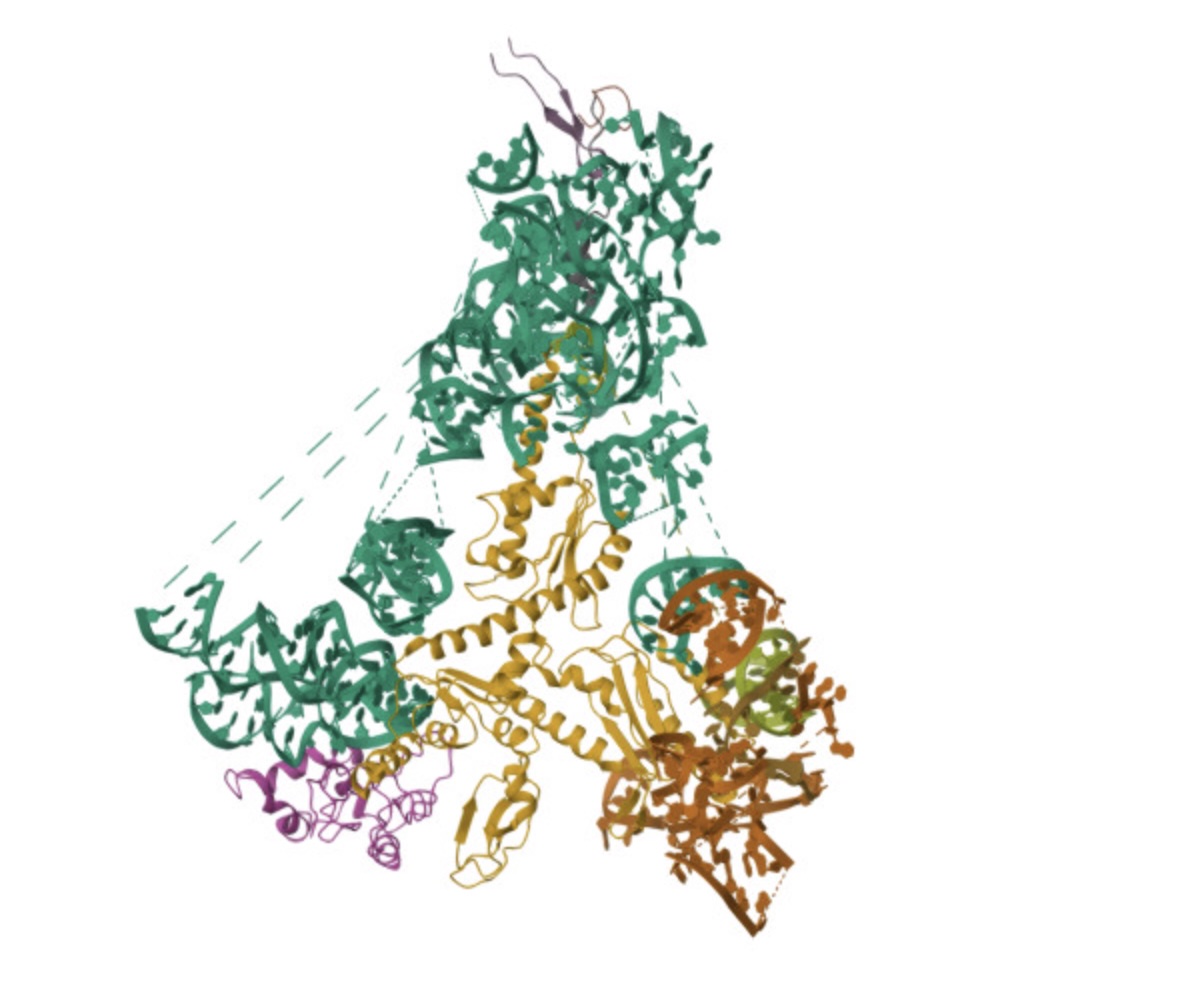
A team from the Center for Genomic Regulation in Barcelona and Harvard Medical School (United States) has created an artificial intelligence (AI) model to support the diagnosis of rare diseases in patients with unique genetic mutations. Called popEVE, the tool performs better than AlphaMissense—another model developed by Google DeepMind—according to an article published in Nature Genetics.

0

Gene therapy is effective long-term in children with a serious rare disease

Severe combined immunodeficiency due to ADA enzyme deficiency is a rare disease that, without treatment, usually causes death within the first two years of life. These "bubble children" are currently treated with a bone marrow transplant or with injections that aim to restore, to the extent possible, the function of this enzyme. Now, an international team presents the results of a gene therapy administered to 62 children with the disease between 2012 and 2019. The therapy was effective in 95% of cases and did not cause serious complications, according to the authors, whose work is published in the journal NEJM

0

Drug identified as “near-universal” treatment for rare disease

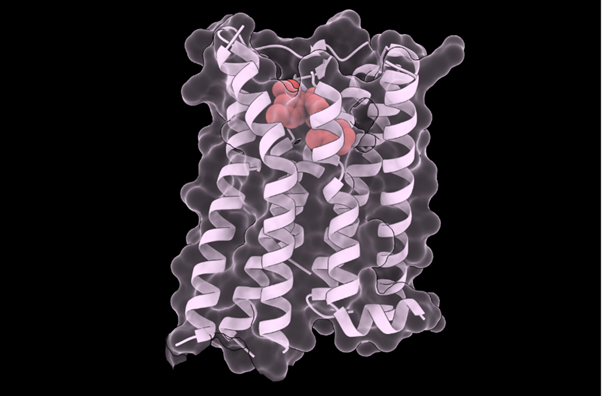
Most rare diseases are caused by mutations in DNA, but the same gene can mutate in different ways, which complicates treatment. Now, a team from the CRG in Barcelona has shown that an already approved drug is capable of stabilising almost all mutated versions of a human protein—specifically, the vasopressin V2 receptor, which is linked to a rare disease called nephrogenic diabetes insipidus. According to the researchers, who published their findings in Nature Structural & Molecular Biology, the study is the first proof of concept demonstrating that a drug can act as a ‘near-universal’ treatment, which could accelerate the development of therapies.


0

First results on babies born with pioneering technology that reduces risk of mitochondrial disease

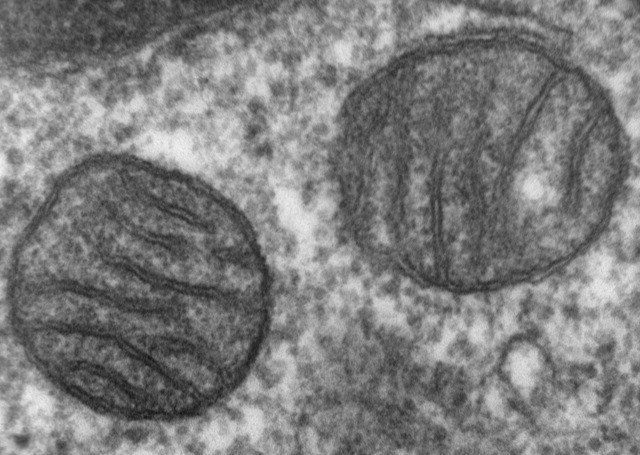
In 2015, the United Kingdom became the first country to pass legislation allowing the use of mitochondrial donation technology, pronuclear transfer. The technique is designed to limit, through in vitro fertilization, the transmission of mitochondrial DNA diseases in babies born to women who are at high risk, and for which there is no cure. Two studies published in the New England Journal of Medicine (NEJM) describe the results of the first treatments performed to date, from which eight babies have been born by mitochondrial donation, with reduced risk of disease.

0

CRISPR used for the first time to treat a rare metabolic disease in a baby

A team from the Children's Hospital of Philadelphia and Penn Medicine (United States) has successfully treated a baby diagnosed with a rare genetic disorder using personalised CRISPR gene editing therapy. The baby, known only by the initials KJ, was born with a rare metabolic disease known as severe carbamoyl phosphate synthetase 1 (CPS1) deficiency. After spending the first months of his life in hospital on a very restrictive diet, KJ received the first dose of his tailored therapy in February 2025, between six and seven months of age. The treatment, which is being used for the first time for this type of disorder, was administered safely, and the baby is now growing well and improving. The case is detailed in a study published by The New England Journal of Medicine (NEJM).

0

Association found between certain metabolic errors and the risk of sudden death in infants

A case-control study published in JAMA Pediatrics reports a relationship between certain aberrant metabolic biomarkers at birth and sudden infant death syndrome (SIDS). Although the research is preliminary and no screening test for this syndrome is yet available, the researchers believe their study is an important step toward integrating metabolic and genetic markers to identify infants at higher risk of sudden death.

0

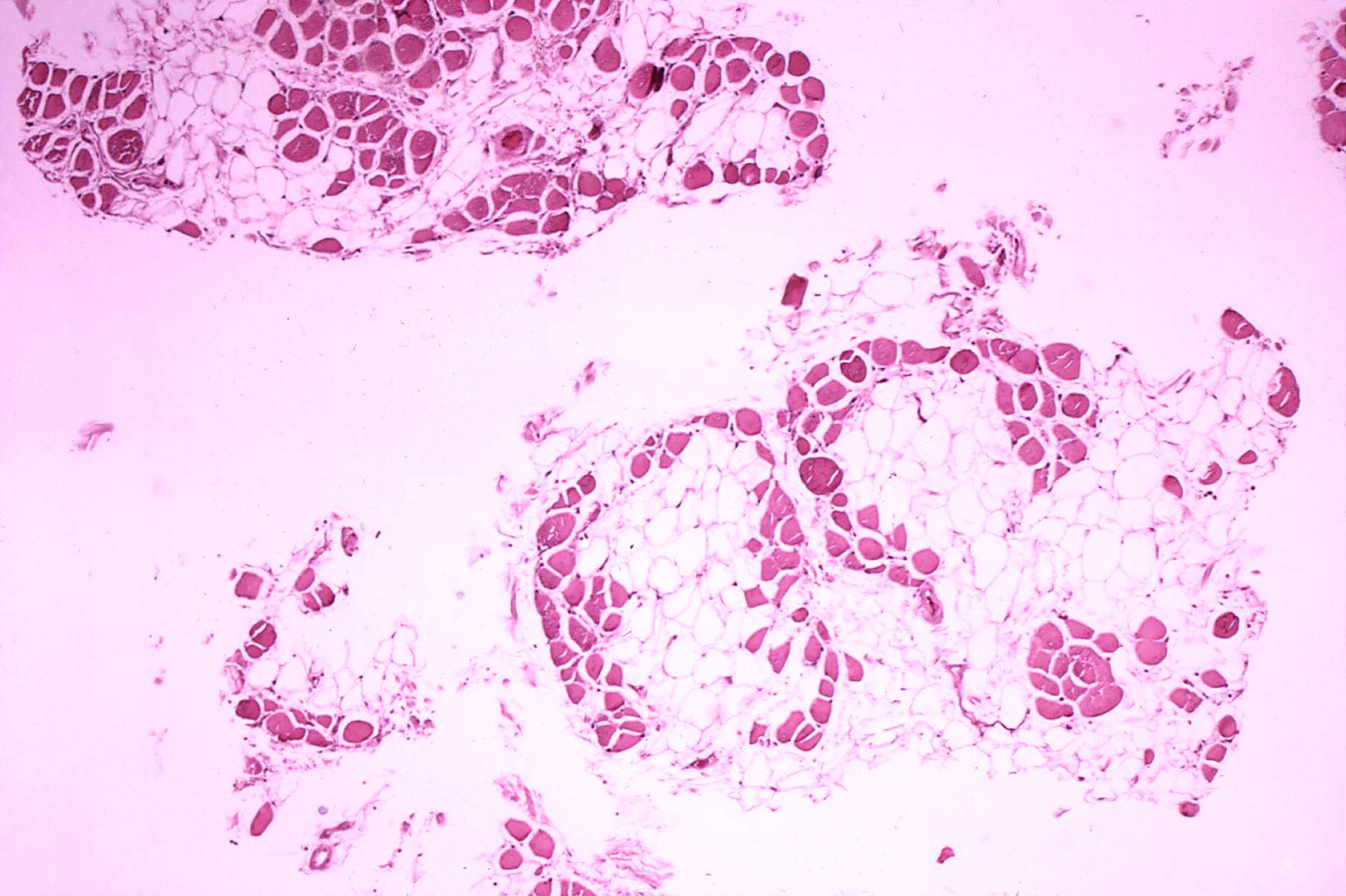
Reactions: gene therapy improves Hurler syndrome skeletal disorders

Hurler syndrome is a rare and very serious disease caused by an enzyme deficiency, which results in a wide variety of signs and symptoms. Treatment with bone marrow transplantation helps to alleviate some of them, but has little effect on skeletal disorders. Now, a phase I/II trial has tested an autologous transplant of blood stem cells corrected by gene therapy in eight patients. The results, published in the journal Science Translational Medicine, suggest that the treatment is more effective and could also improve these types of disorders. 

0

Reaction: EMA gives green light to EU's first CRISPR gene-editing drug

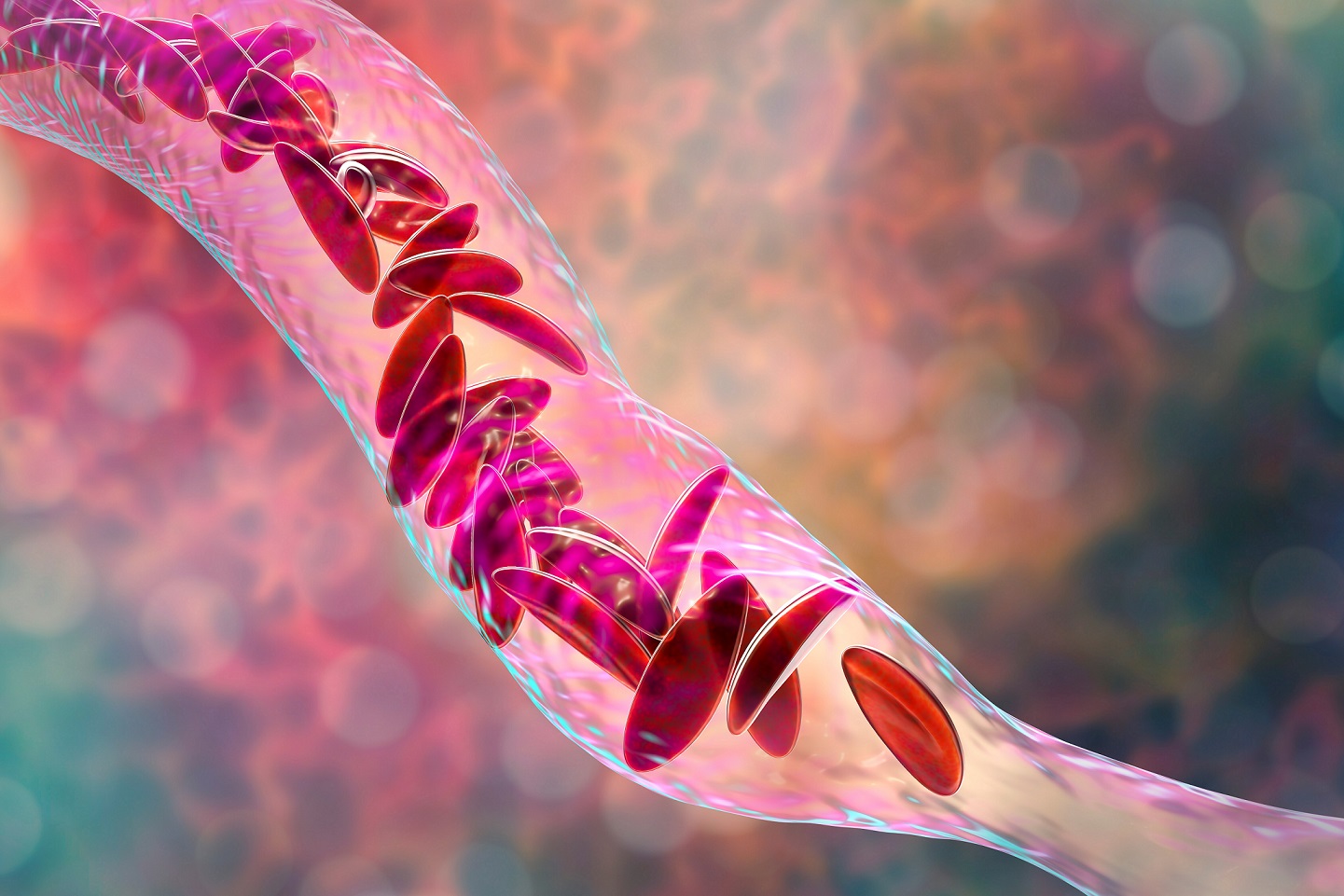
The European Medicines Agency (EMA) has recommended approval of the first drug in the European Union to use the CRISPR/Cas9 gene-editing technique. The drug, Casgevy, is indicated for the treatment of two rare inherited diseases, beta thalassaemia and sickle cell disease (sickle cell anaemia), caused by genetic mutations that affect the production or function of haemoglobin, the oxygen-carrying protein in red blood cells. Both conditions are debilitating and potentially fatal. The EMA opinion will be sent to the European Commission for a decision on an EU-wide marketing authorisation.

0

A brief guide to inform and educate about rare diseases

Every February 28 or 29, World Rare Disease Day is celebrated, an initiative that aims to raise awareness about rare diseases in order to improve access to diagnosis and treatment and achieve a better quality of life among those who suffer from them. Here are some frequently asked questions about the most important concepts, their current situation and the main complaints that affected individuals and families continue to have.   

0