science communication

science communication

science communication

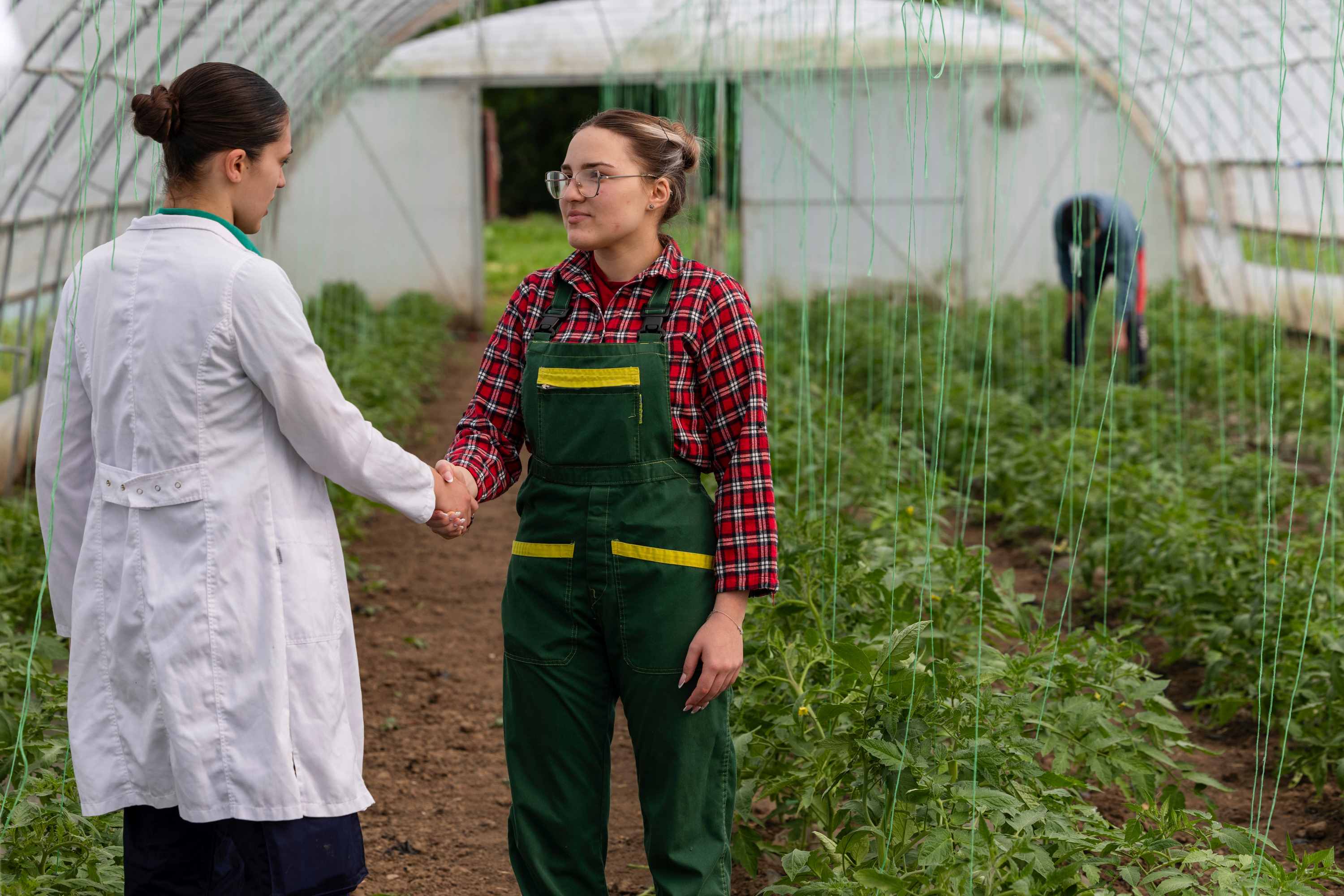
A report analyses the level of scientific populism in Spain for the first time

The Spanish Foundation for Science and Technology (FECYT) has produced a report that compiles the results of a pioneering survey in the country on populist attitudes related to science. The research explores, among other issues, the consumption of scientific information, public perceptions of the role of science in politics and society, the benefits of science, attitudes towards technologies such as vaccines and issues such as climate change.

0

Spanish population, among the most trusting in scientists, according to a study in 68 countries

An international study on public trust in science conducted in 68 countries, including Spain, has found that most people trust scientists and believe that they should be more involved in society and in policy-making. In addition, a majority of survey participants believe that researchers should play a more active role in society and in political decision-making. The Spanish population's confidence in science ranks seventh out of the 68 countries analysed. The research, which surveyed 71,922 people, provides the largest global data set on trust in scientists since the covid-19 pandemic. The study is published in the journal Nature Human Behaviour and has Spanish participation, led by FECYT.

0

The science of 2024: our top ten most-read headlines

At this point, it is difficult to decide which science news has been the most relevant to make one of those end-of-year lists that we like so much. Luckily, the SMC Spain metrics help us to make this selection with a criterion that does not have the consistency of a peer review, but that works: the democracy of the click. These are the ten most visited articles (and a self-promotion tip).

0

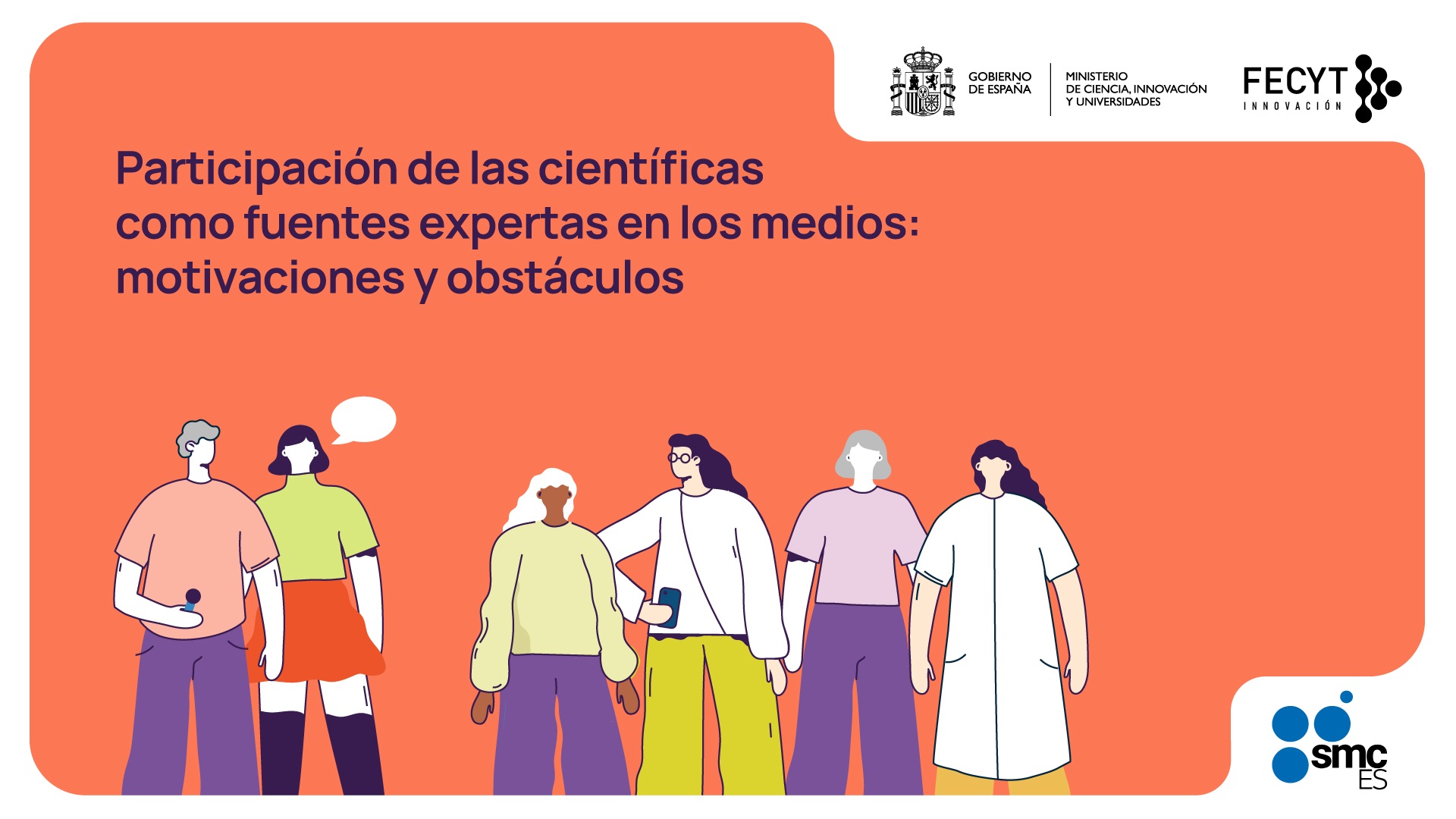
More than half of researchers who communicate science in the media in Spain say they suffered attacks, according to a SMC survey

The report 'Experiences of researchers who interact with the media and social networks in Spain', carried out by FECYT’s Science Media Centre Spain (SMC) in collaboration with the research group Gureiker, from the University of the Basque Country, analyses data from a survey, the first of its kind in Spain, on the relationship with the media and social networks of the expert sources contacted by the SMC Spain from March 2022 to July 2024. The results show that scientists have a positive or very positive perception of their participation in the media (83.12%). However, 51.05% of respondents admit to having suffered an attack after communicating science. Women receive significantly more attacks than men: 56.86% of female scientists report attacks compared to 46.21% of male scientists. The social network X (formerly Twitter) is the most common avenue for this type of attack. 

0

Disasters, nature and responsibility: rethinking journalistic language in the aftermath of the Valencia floods

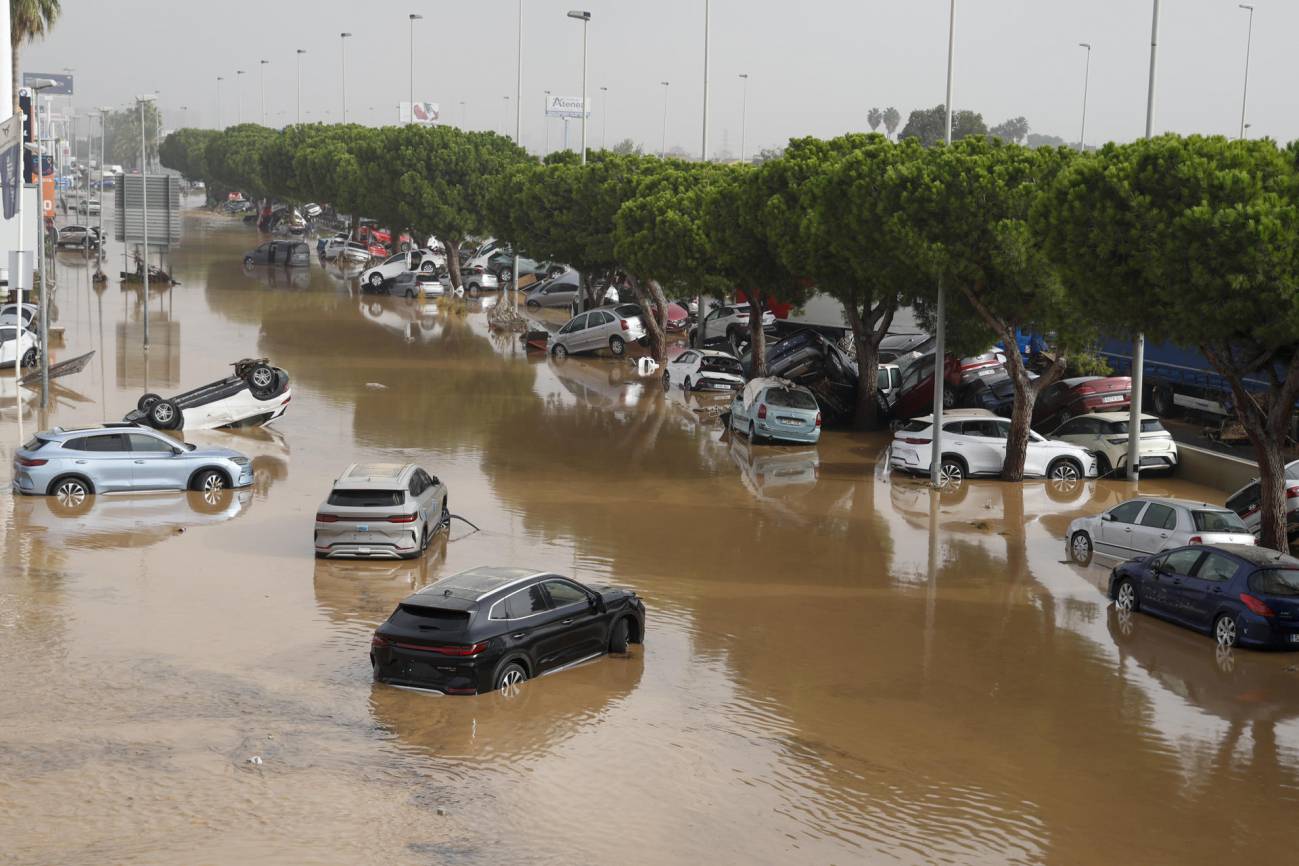
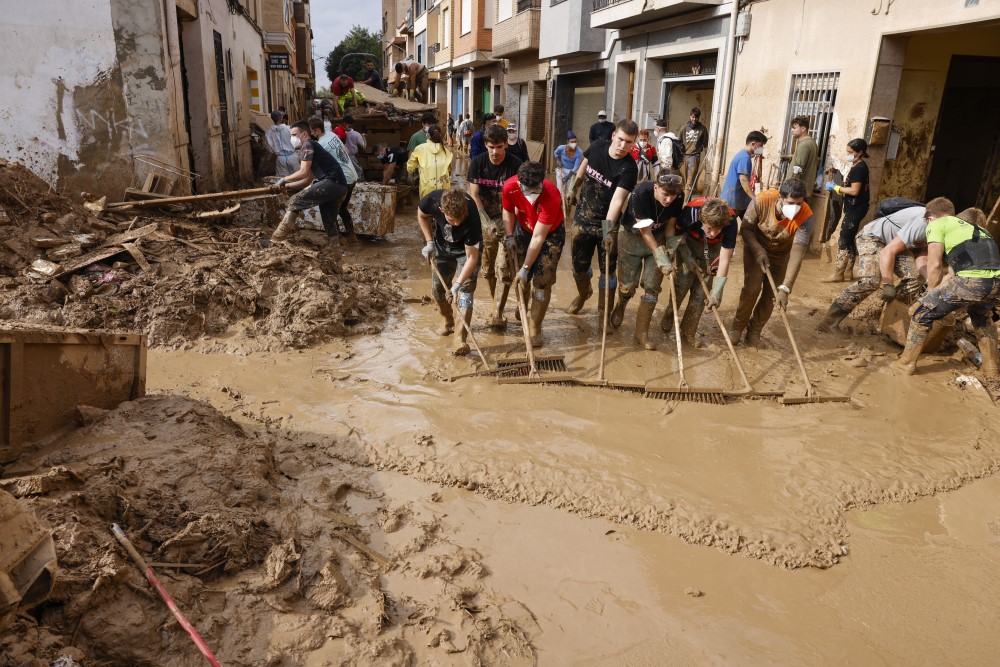
The devastating floods in Valencia have reminded us of the crucial role of language in journalism: in the maelstrom of information following the catastrophe, numerous articles have resorted to the expression “natural disaster”, as if the tragedy were a sort of inescapable sentence dictated by nature. The idea that nature acts with intent or malice in causing suffering is a concept that distorts our understanding of these events.

1

Risk Journalism: a guide to clear reporting on any topic

This guide is designed for journalists who cover stories about risks in any sector: health, environment, artificial intelligence etc. You will identify the concepts that will help you explain, for example, why false flood alarms occur, the pros and cons of installing a nuclear plant in a certain area, or the uncertainty of a study that finds a particular diet increases the risk of developing cancer.

0

Risk is a complex concept: how do you interpret it?

The risk of an adverse reaction to a vaccine and the risk of not evacuating a flood-prone area have something in common: both are risks, though very different ones. While one refers to a numerical probability, the other refers to a potential consequence. Here, we explore six different meanings of the word “risk” in headlines. These examples will help you explain risks more clearly, or demand that clarity from others.

0

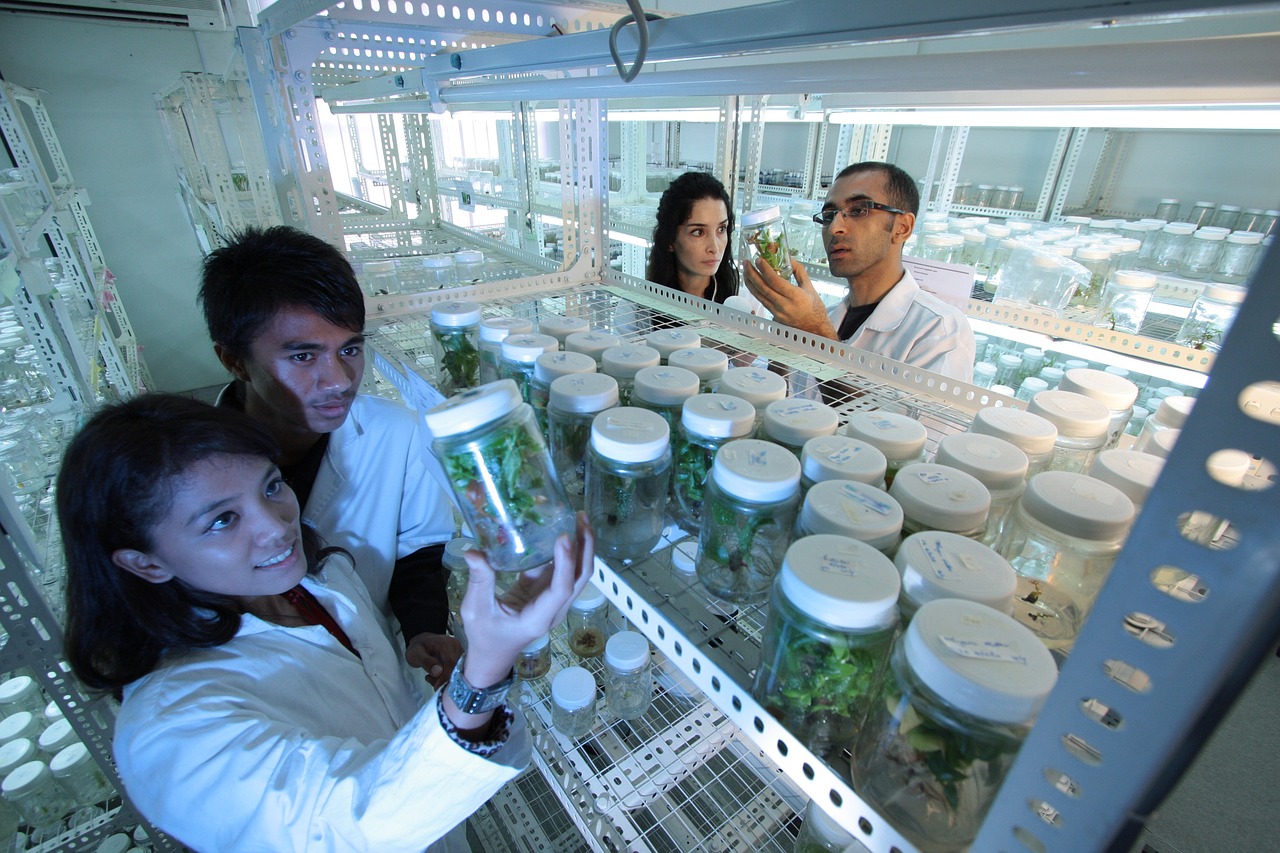
A guide to finding scientific sources in Ibero-America

The Ibero-American Day of Science takes place on 28 November; it was launched last year during a meeting of science ministers within the framework of the Ibero-American Summit. On this occasion, we have compiled below several guides and databases maintained by universities, research centres and other science organisations that aim to help journalists in search of expert sources. Of course, this list is not comprehensive; if you have suggestions for other guides and sources—whether from Spain, Portugal or Latin America—that we could add, please don't hesitate to contact us so that we can continue to expand this resource.

0