science communication

science communication

science communication

Myths and superstitions about eclipses: why some people believe them and what risks they pose

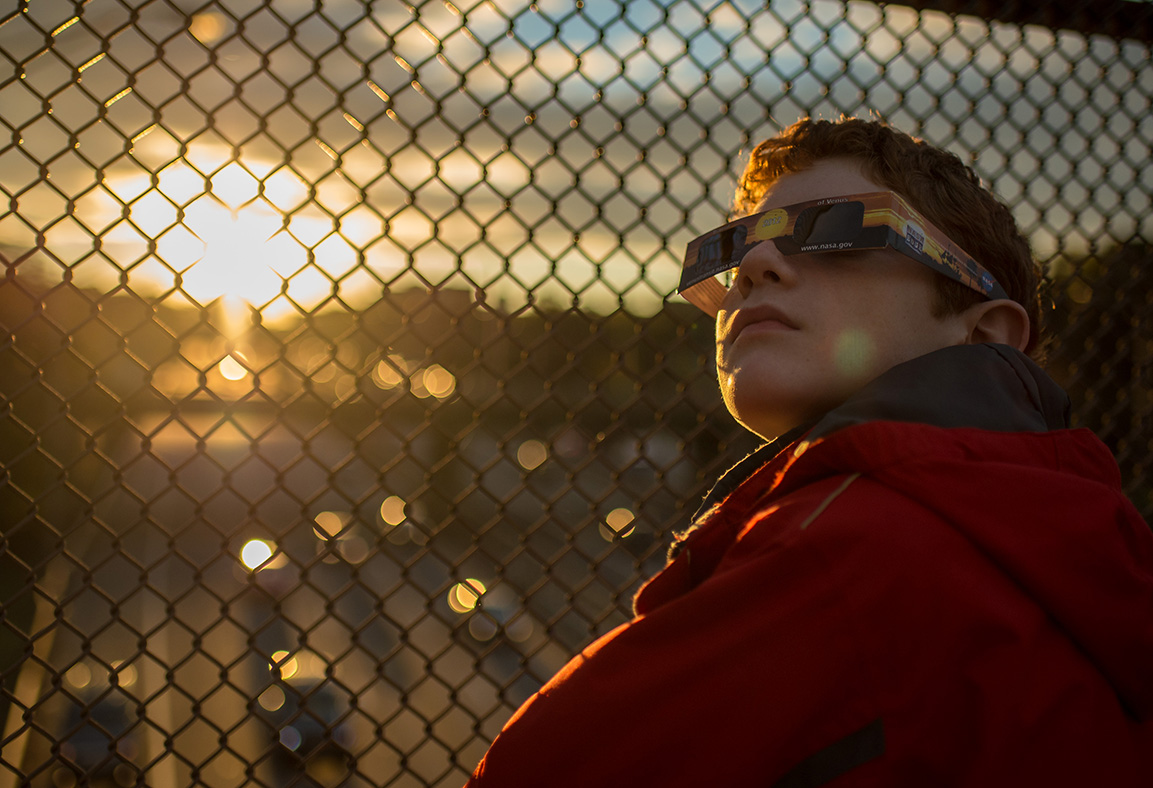
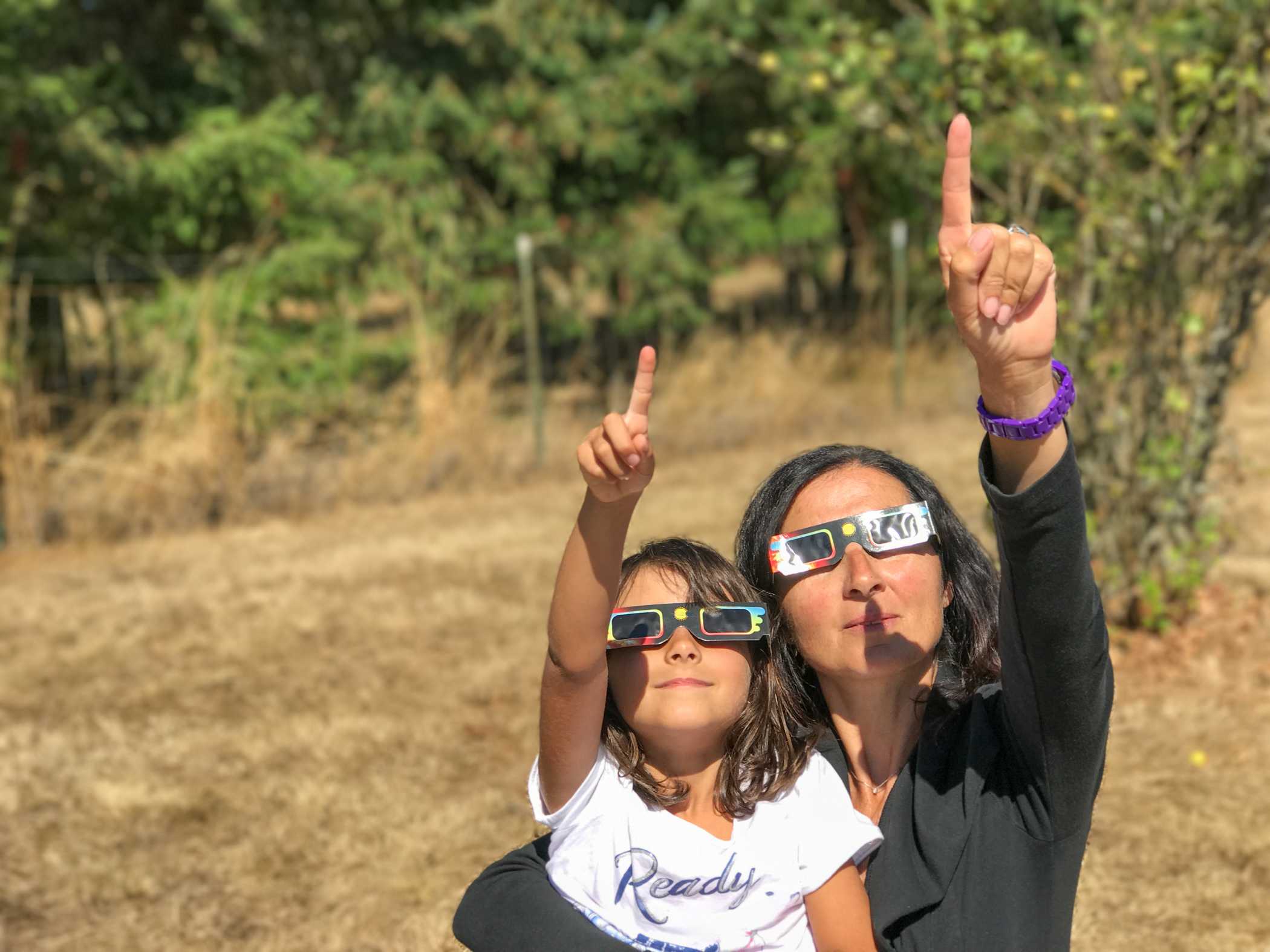
Premature births, babies born with birth defects, bad luck, satellite and telecommunications failures… Eclipses are attributed with a wide variety of consequences that have no scientific basis and are largely rooted in cultural traditions and deep-seated misconceptions. With the help of expert sources, in this article we explain why some people believe in them, what the main risks are and how to counter them. 

0

Cómo detectar el ‘hype’ en un campo científico y qué hacer para cubrirlo bien

La exageración de éxitos reales o potenciales (hype) es un riesgo en la comunicación de la ciencia, sometida a dinámicas de financiación y publicación muy competitivas. Por eso, hay campos de investigación que parecen revolucionarios y se desvanecen tras años de promesas, aunque lo más común es que sí traigan avances moderados a largo plazo. Detectar el hype y cubrirlo con rigor es uno de los retos a los que se enfrentan los periodistas científicos cada día. Aquí, nuestras claves. 

0

“Unique, strange, overwhelming”: what it feels like to experience a total solar eclipse

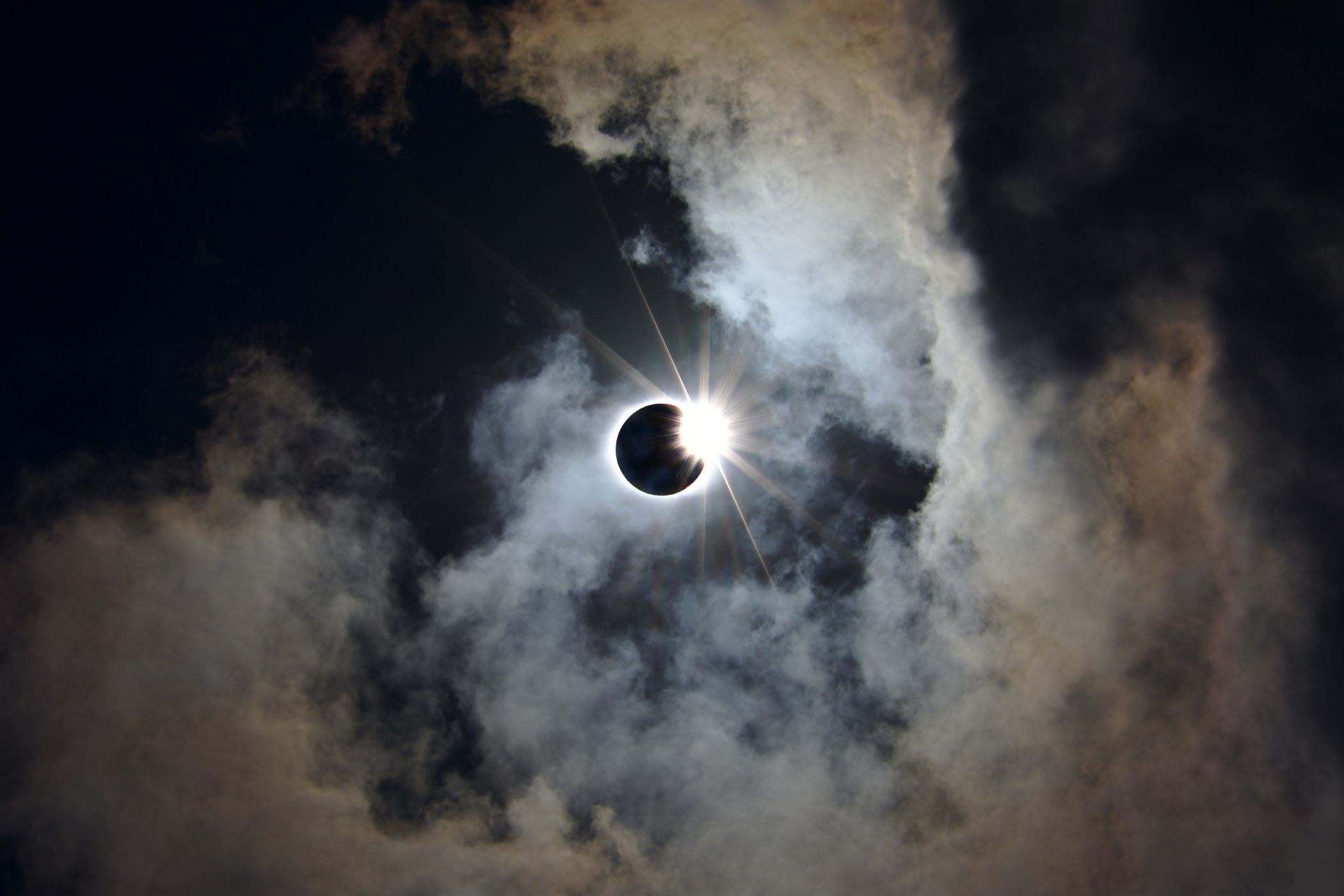
Research into the reactions of people who have witnessed total eclipses reveals that they are transformative experiences. All accounts speak of the amazement of seeing something that should not happen, but does. When the stars play hide-and-seek for a few minutes, what happens to the spectators is much more than the sum of orbits and analytical mechanics; it is emotion.

1

Scientists debunk claim that trees can anticipate a solar eclipse, as suggested by 2025 study

The claim that one type of tree—Picea abies—can anticipate a solar eclipse through electrical signals is based ‘on speculative interpretations and unsupported evolutionary assumptions,’ according to an opinion piece published in the journal Trends in Plant Science. The paper refutes another from 2025 that claimed these trees synchronised their bioelectrical behaviour hours before a solar eclipse in Italy's Dolomite region. According to the authors of the new article, this electrical activity can be explained by temperature changes and atmospheric electrical discharges.

0

Floods and DANAS: key tips for effective communication

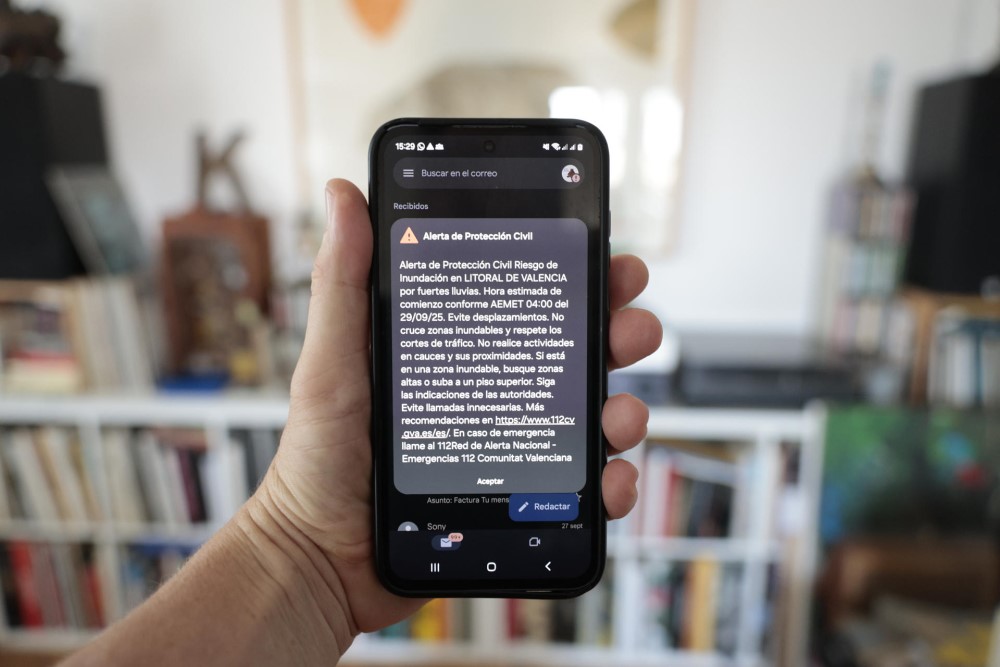
The devastating floods in Valencia in October 2024 and the rainfall alert issued on September 28, 2025, showed that the way we communicate risks can make a difference, for better or for worse. This article presents eight key points for journalists, public officials, communicators, and anyone else interested in communicating better about floods and other crises.

0

‘Science’ retracts controversial article on bacteria that used arsenic to grow, published in 2010

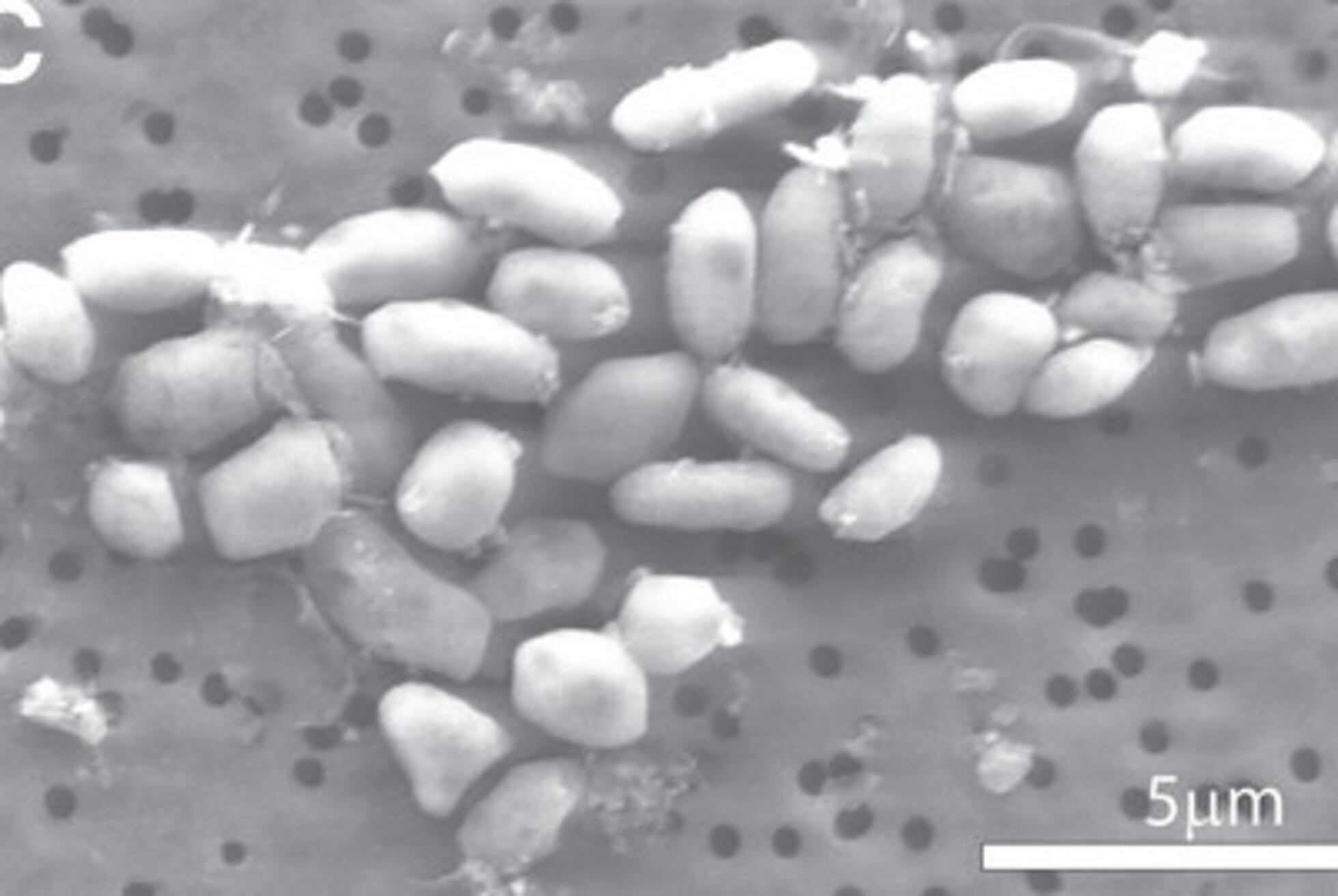
The research article A bacterium that can grow by using arsenic instead of phosphorus was one of the big science stories because it discussed the possibility of arsenic-based life. However, it has been the subject of criticism until now. After nearly 15 years of debate and failed attempts by other groups to replicate the findings, Science has now decided to retract the article, despite finding no evidence of fraud or misconduct on the part of the authors, who disagree with the decision.

0

The Spanish population trusts science, but demands more communication and citizen engagement, according to FECYT's survey on social perception

Spanish citizens trust science and researchers, and want them to be more involved in the issues that affect people's lives. Television and social media are the most commonly used channels for obtaining information on these topics. 81.4% recognise that climate change is a serious problem and, with regard to AI, although more than 80% use it, there is concern about its risks and governance. These figures come from the latest edition of the FECYT's biennial Social Perception of Science and Technology Survey (EPSCT) 2024.


0

More than 40% of Americans will lose confidence in public health recommendations following changes in federal leadership

A survey conducted in the United States by the Harvard Opinion Research Program shows that more than four in ten American adults (44%) say that changes in federal leadership will cause them to lose confidence in the recommendations of public health agencies, compared to 28% who say they will trust them more. The survey, which included a sample of more than 3,300 participants aged 18 and older, also revealed that other health issues have strong support among Democrats and Republicans, such as chronic disease prevention, pandemic protection, and reducing maternal and infant mortality.

0