Estanislao Nistal

Estanislao Nistal

Estanislao Nistal
Position

Professor of Microbiology at the Faculty of Pharmacy

A phase 3 clinical trial has tested a new RNA vaccine against influenza

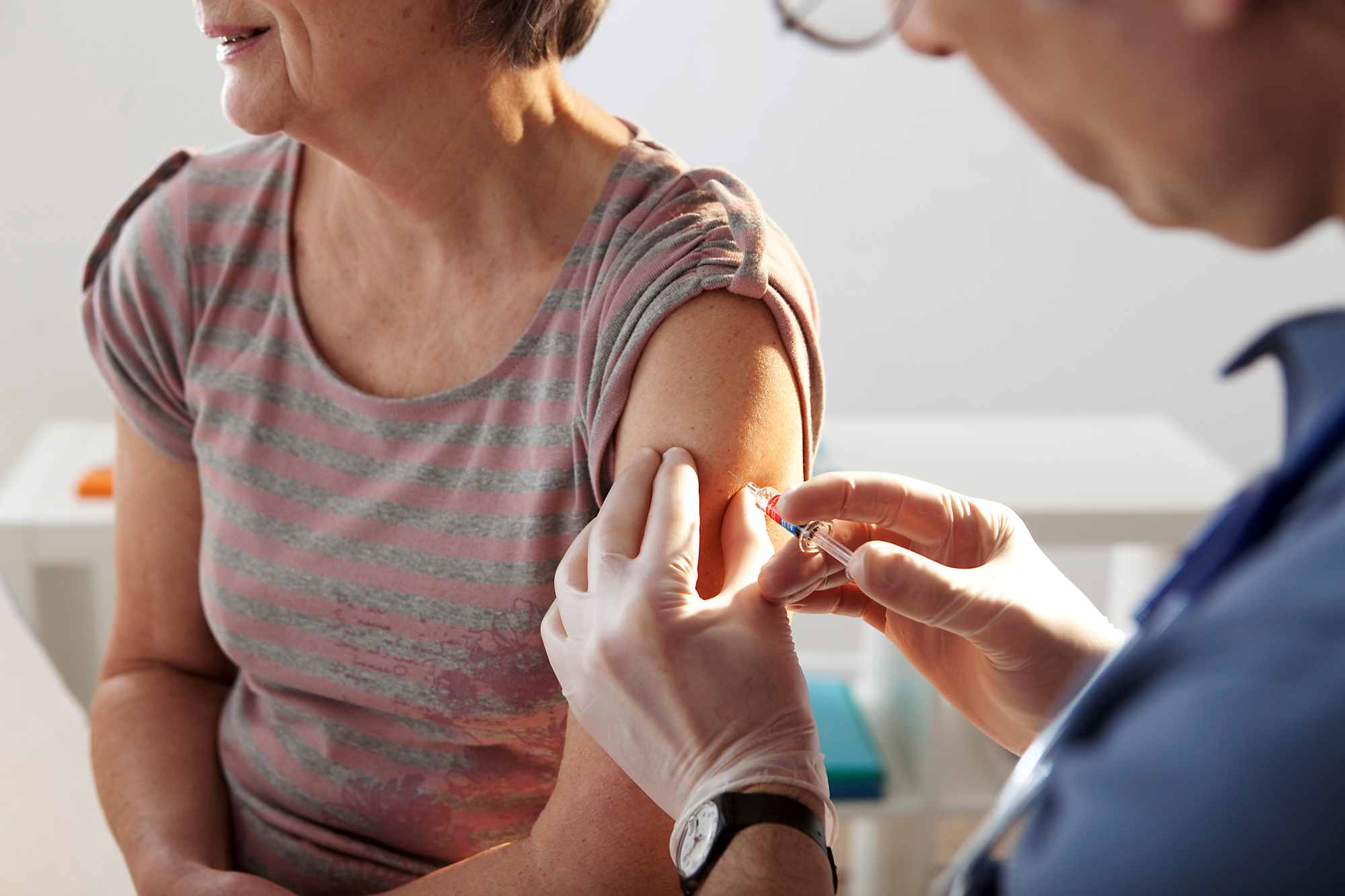
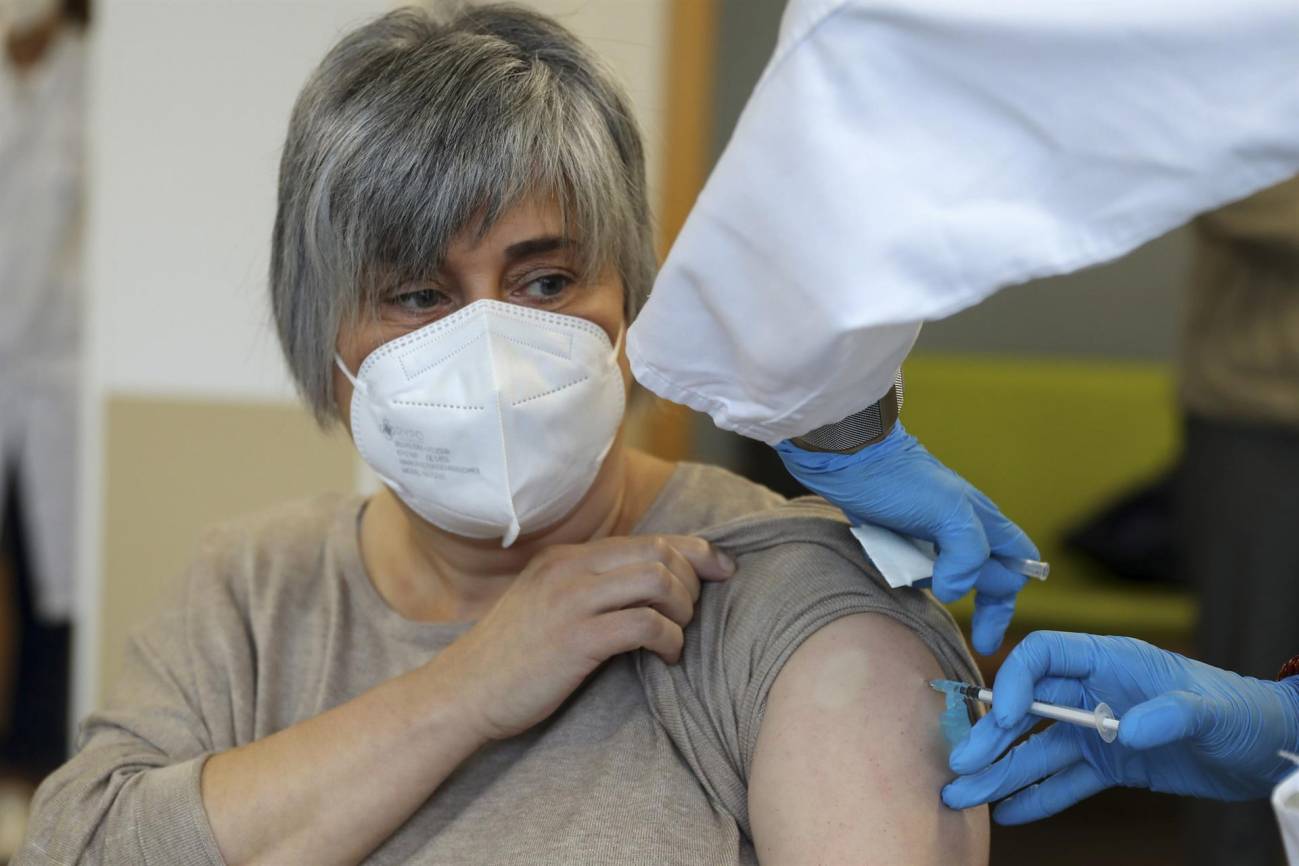
A clinical trial funded by Pfizer has tested a new influenza vaccine based on messenger RNA (mRNA). The phase 3 trial included more than 18,000 people aged 18 to 64, half of whom received the new compound and the other half a conventional vaccine. The results indicate that the mRNA vaccine was more effective, but it also caused more adverse reactions: for example, 5.6% of the volunteers who received it developed a fever, compared to 1.7% of those who received the conventional vaccine. The study is published in the journal NEJM. 

0

Humans may already have antibodies capable of recognizing avian influenza virus, study shows

A team of researchers from the USA has analyzed the B lymphocytes of seven healthy people in whom no exposure to H5 influenza viruses, such as the avian flu virus, had been documented. The results show that they present antibodies capable of recognizing this type of virus, which, according to the authors, could represent “a first line of defense” in the event of a pandemic. The results are published in the journal Science Immunology.

0

Reactions: Study says children born in October are less likely to get the flu

Children born in October are more likely to be vaccinated against flu during that month and less likely to be diagnosed with the disease than those born in other months, according to a study published in BMJ. The research involved more than 800,000 US children aged two to five years who were vaccinated against the flu between 1 August and 31 January in the period from 2011 to 2018. The results suggest that the month of birth is related to both the timing of flu vaccination and the likelihood of flu diagnosis, and that October is the best month for flu vaccination.

0

Reaction: flu vaccination may cause more adverse reactions in women than in men

A meta-analysis analyzing the results of 18 clinical trials concludes that influenza vaccination may produce more adverse reactions in women than in men. According to the authors, whose research is published in the Journal of Epidemiology & Community Health, "the data suggest that most reactions are mild, self-limited, and rarely serious." "Transparent communication about the increased risk for women could help maintain long-term confidence in health authorities and vaccines," they add.

0

Reactions to Phase 1 trial of a new prototype universal flu vaccine

A study published in the journal Science Translational Medicine shows the results of a phase 1 trial of a new broad-spectrum influenza vaccine. Prepared in the form of nanoparticles containing the H1 hemagglutinin stem-a region that is often conserved in different subtypes of the virus-the vaccine was generally well tolerated by participants, who showed only mild side effects such as tenderness and headaches. The prototype generated an antibody response to group 1 influenza viruses in all age groups.

0