Fernando González Candelas

Fernando González Candelas

Fernando González Candelas
Position

Professor of Genetics at the University of Valencia and researcher at the mixed unit Infection and Public Health FISABIO/Universitat de Valencia

Candida auris infections in Spain are the highest in Europe over the last decade, according to an ECDC report
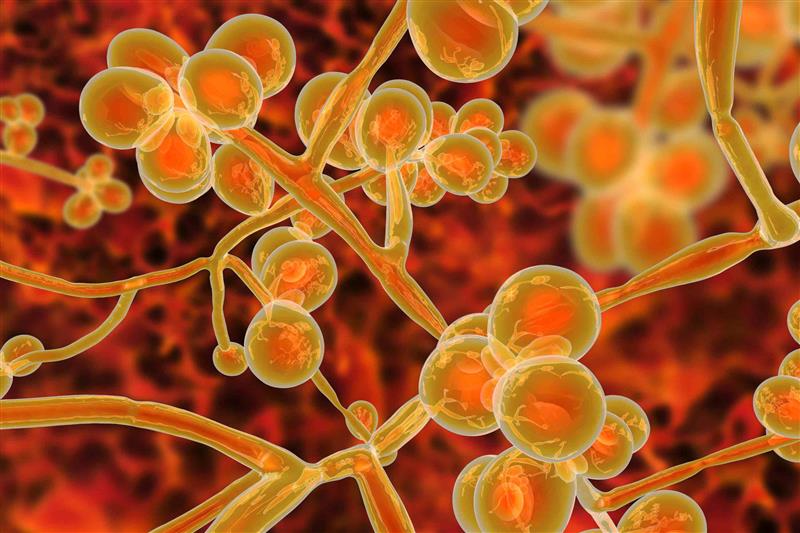
Infections caused by the fungus Candidozyma auris—formerly known as Candida auris—continue to rise, warns a report by the European Centre for Disease Prevention and Control (ECDC). Spain reported 1,807 of the 4,012 cases in 36 European countries between 2013 and 2023, the highest number ahead of Greece (852 cases) and Italy (712), according to the survey. This microorganism spreads particularly in hospitals, causing infections that are often resistant to existing drugs.

0
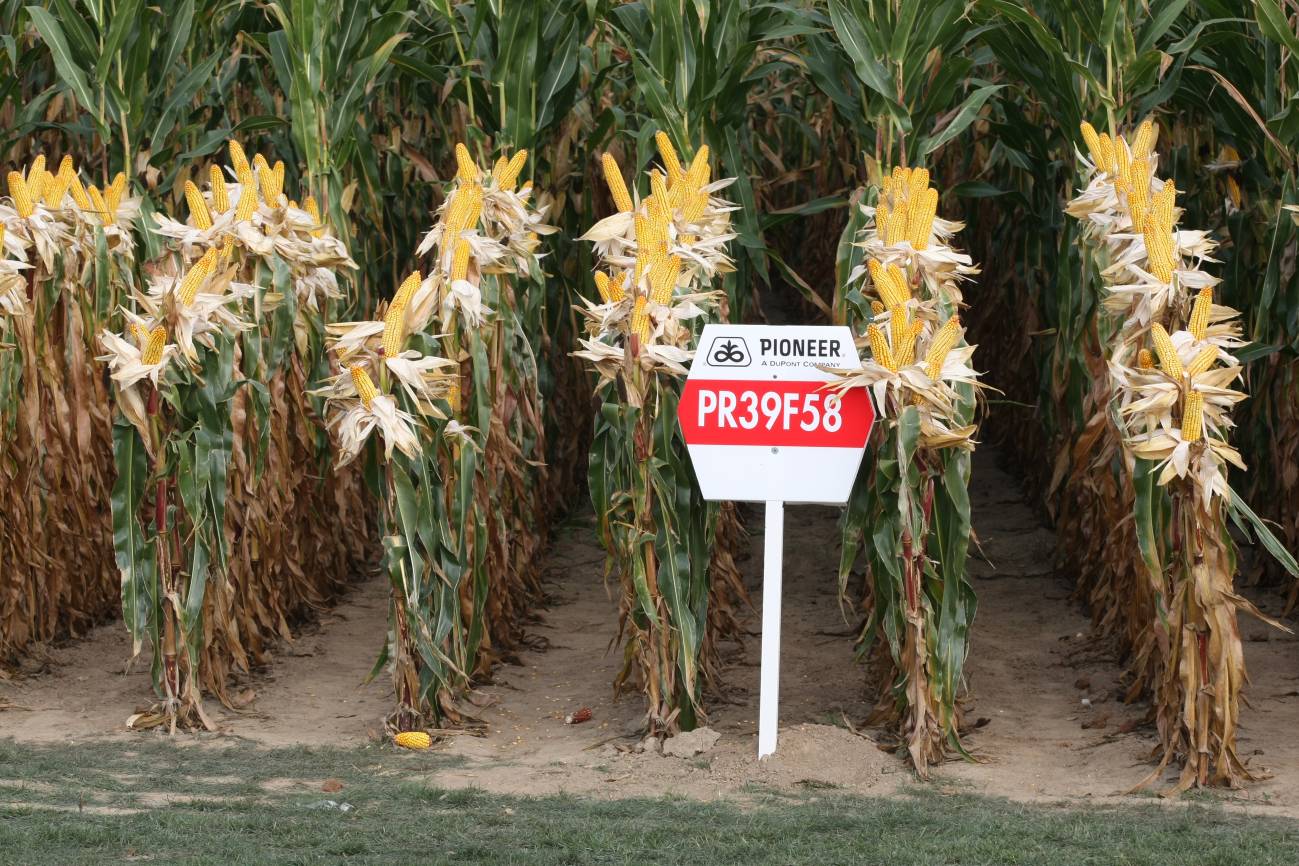
A review analyzes the environmental effects of genetically modified crops

An international team of researchers publishes a review of the complex environmental impacts of genetically modified crops in the journal Science. According to the study, widespread adoption by some of the world's largest agricultural countries has had mixed results for biodiversity, deforestation and human health, depending on the specific characteristics of these crops and the regions involved. 

0

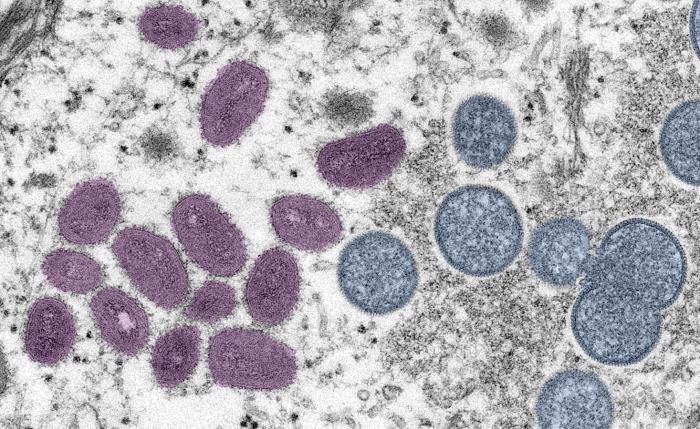
Reaction to monkeypox genome analysis of monkeypox virus from patients in the current outbreak

A genomic analysis of monkeypox viruses from patients in the ongoing outbreak reveals that it most likely has a single origin. This 2022 monkeypox virus diverges from those of 2018-2019 in many more genetic variations than expected for Orthopoxviruses, which may represent ongoing accelerated evolution, according to the authors. The study is published in Nature Medicine.


Expert reaction on the new variant B.1.1.529 detected in South Africa

A new variant of the coronavirus causing COVID-19 has been identified in South Africa, with numerous mutations present in other variants, including Delta. Variant B.1.1.529, as it is now called, appears to be spreading rapidly in South Africa. Attached is the rapid reaction of three Spanish researchers with expertise in genomic surveillance.

0