Mar Faraco

Mar Faraco

Mar Faraco
Position

Former president and current secretary of the Association of Foreign Medical Doctors (AMSE) and head of the Servicio de Sanidad Exterior in Huelva


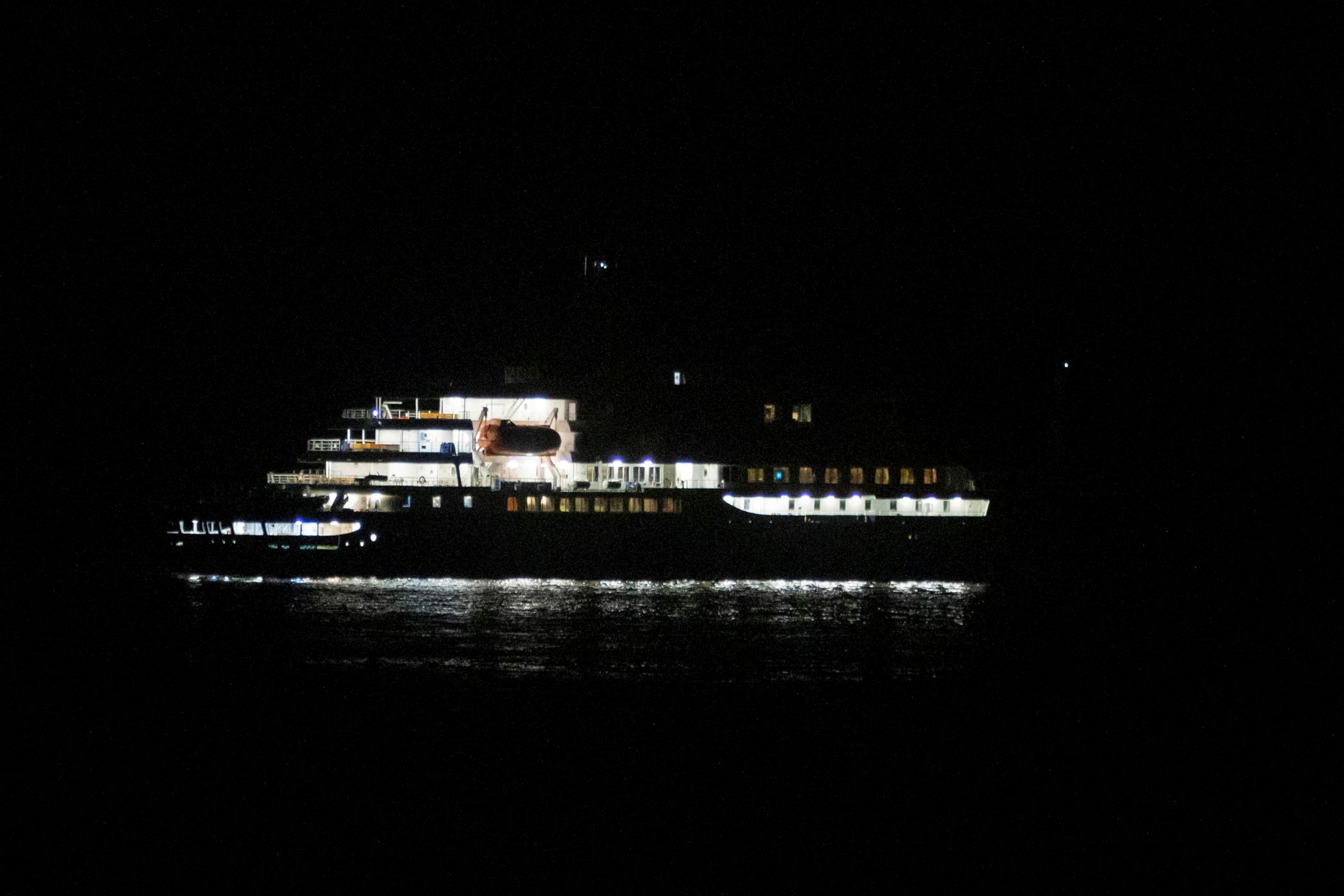
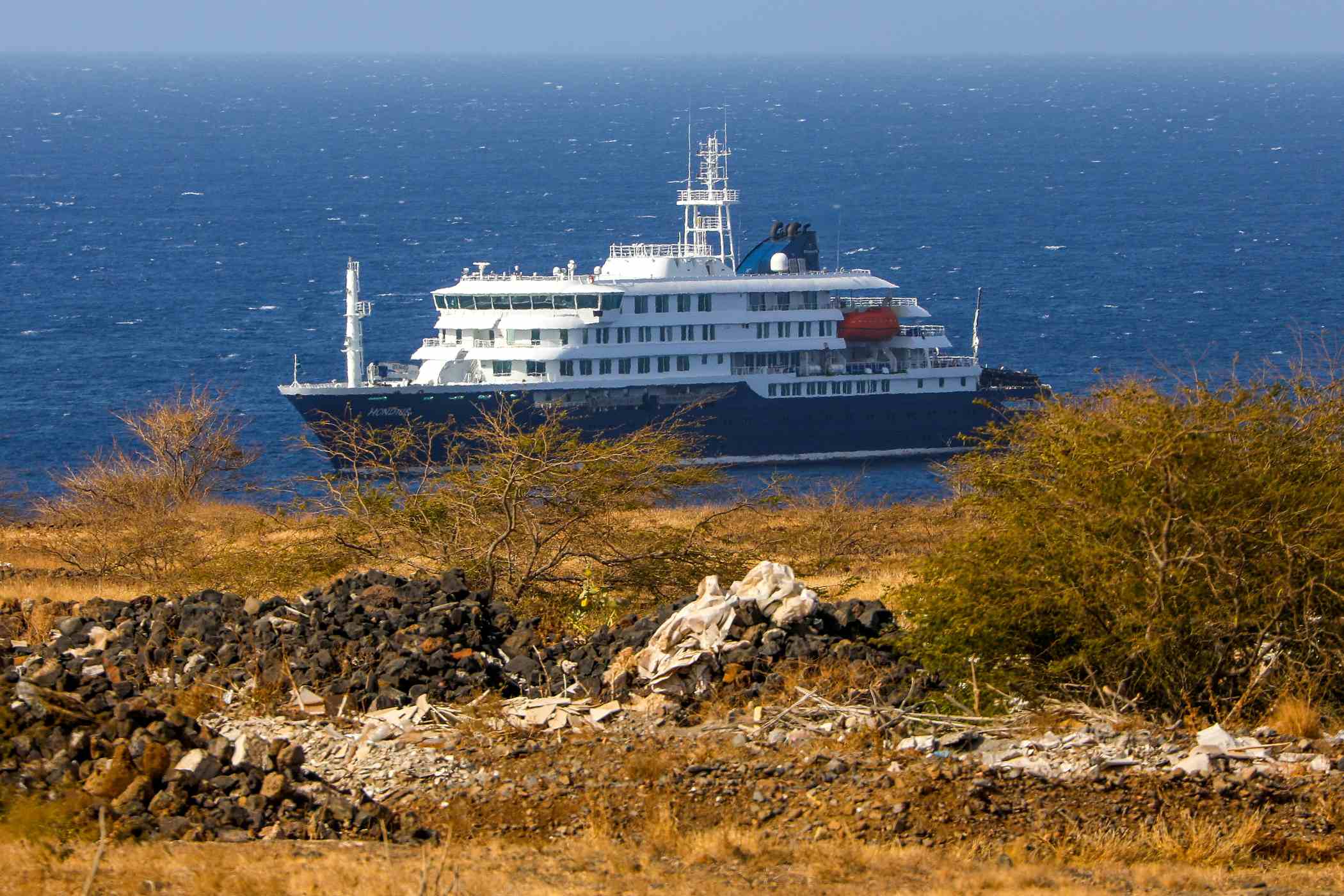
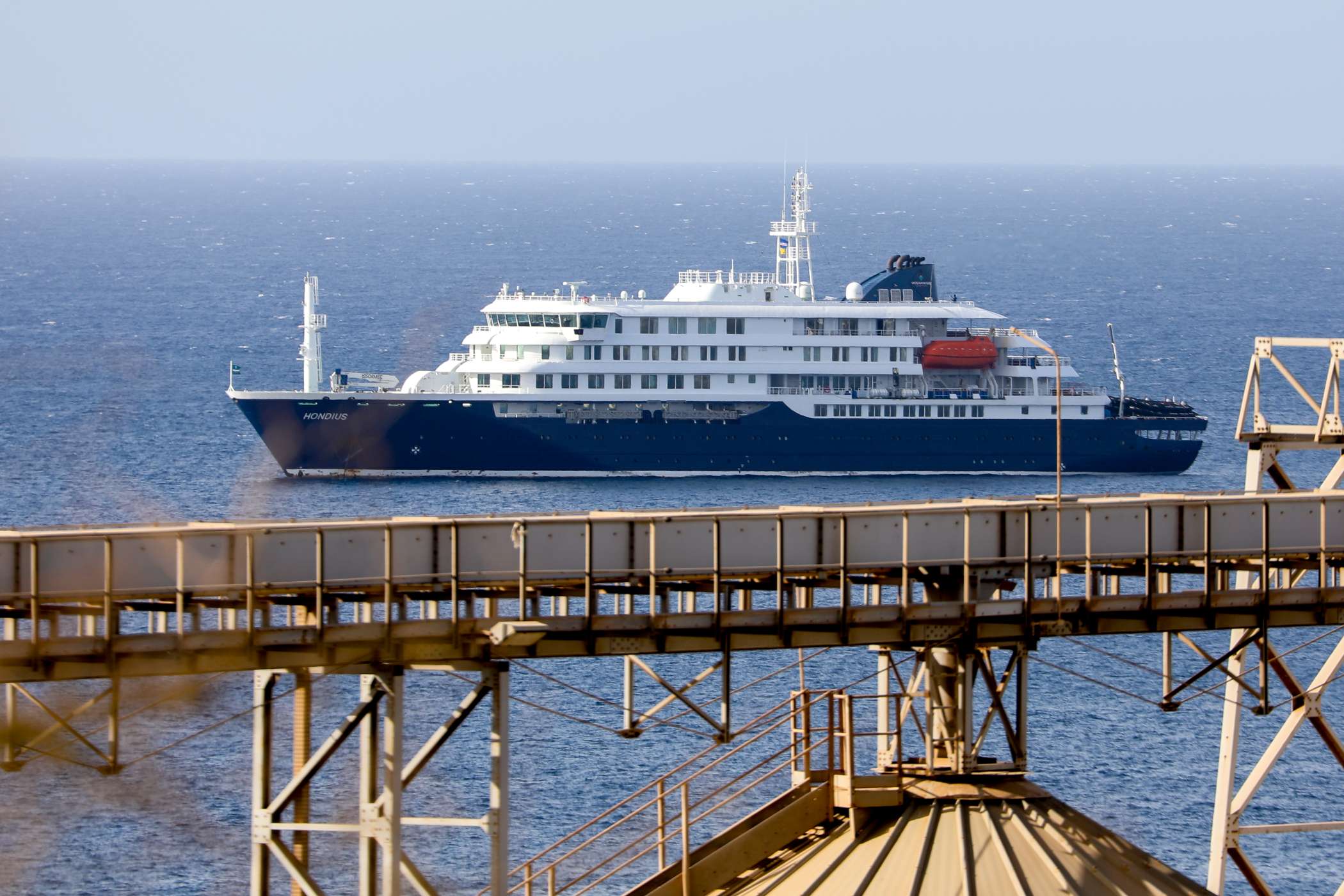
Spain will receive the cruise ship with an outbreak of hantavirus to the Canary Islands, following a request from the WHO and the EU

The Ministry of Health has announced that Spain will receive the MV Hondius in the Canary Islands “in accordance with international law and the spirit of humanitarianism”. The government is thus responding to a request from the World Health Organisation (WHO) and the European Union for the cruise ship, which is travelling from Argentina and has an outbreak of hantavirus on board, to dock in the Canary Islands, in the port of Granadilla, Tenerife. The European Centre for Disease Prevention and Control has assessed which passengers should be evacuated from the ship to Cape Verde, where it is currently located, and which will continue on to the Canary Islands. Once there, they will be examined and transferred to their home countries in accordance with safety protocols. The cruise ship is expected to arrive in the archipelago in three or four days.

0

The Ministry of Health is awaiting epidemiological data from the cruise ship carrying possible cases of hantavirus in order to decide where it will call

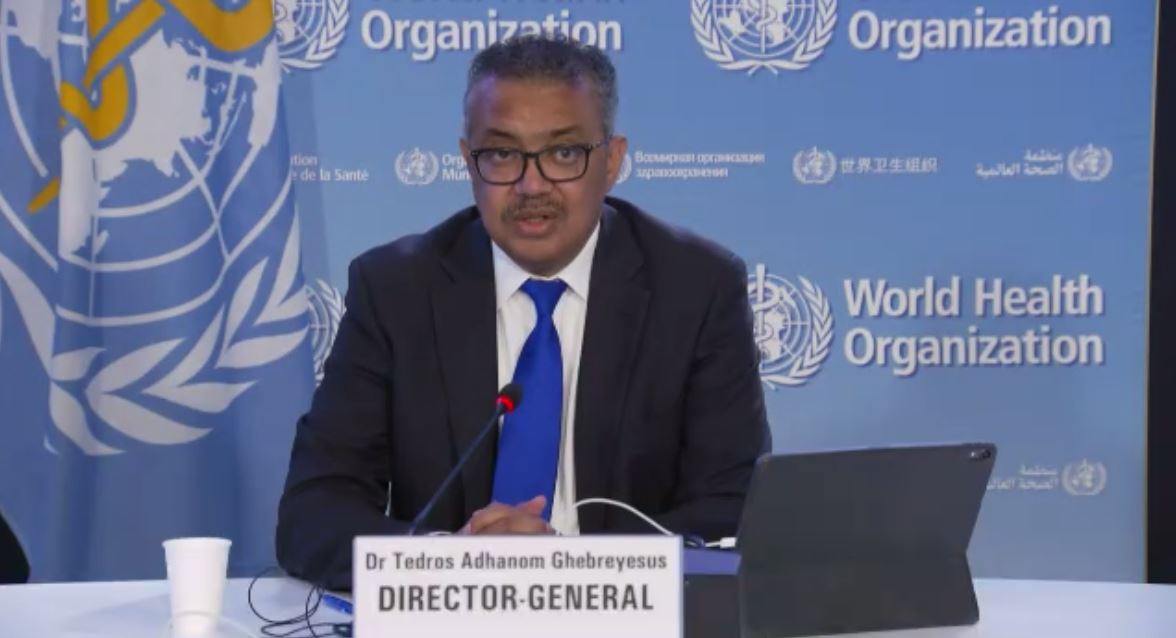
The Ministry of Health has announced on social media that, depending on the epidemiological data gathered from the ship regarding a possible hantavirus outbreak during its stopover in Cape Verde, “a decision will be made as to which port of call is most appropriate”. Various reports suggest that the World Health Organisation (WHO) would have preferred the cruise ship to stop in the Canary Islands. “Until then, the Ministry of Health will not take any decision, as we have made clear to the World Health Organisation,” it stated. Furthermore, the Ministry of Health has indicated that, following a meeting with the WHO, a team of epidemiologists will inspect the vessel this afternoon to assess the condition of those on board, determine whether there are any further cases with symptoms, and identify high-risk and low-risk contacts. “This will aid decisions regarding repatriation procedures and the ship’s route.”


0

The EU considers the risk of mpox spreading to the general population ‘low’ and does not rule out more imported cases

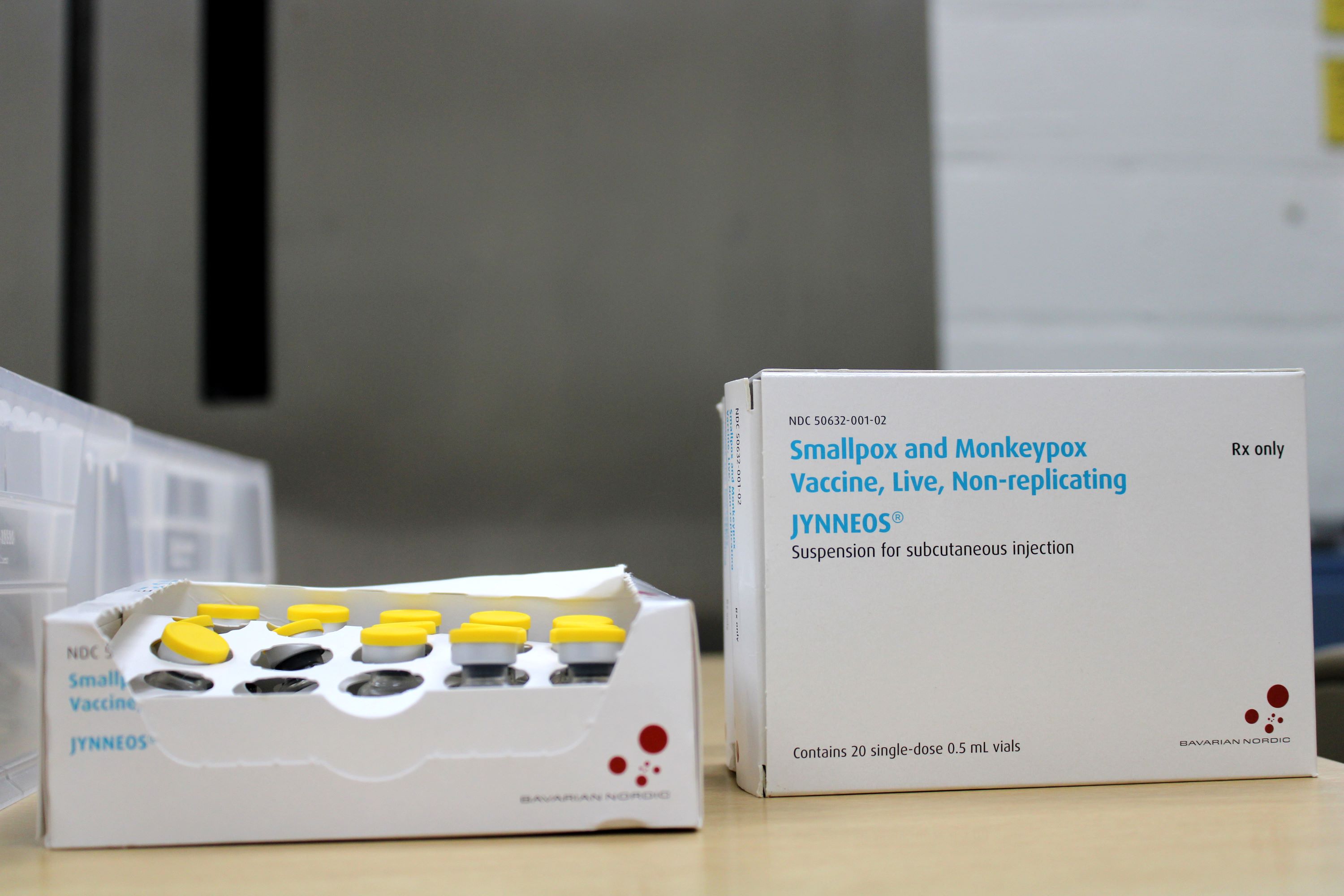
With the increase in cases of mpox, the European Union's Health Security Committee met on Monday. According to the Ministry of Health, the meeting concluded ‘with recommendations very similar to those previously issued by the WHO and the ECDC’. The risk of the likelihood of mpox spreading to the general EU population is currently considered to be ‘low’, although it increases in populations with close contact with diagnosed cases and in particularly vulnerable people. Further imported cases in the EU are not excluded and vaccination of the general population is not recommended. In addition, the HSC does not recommend border control.  
 

0

Reactions: EMA gives green light to new dengue vaccine

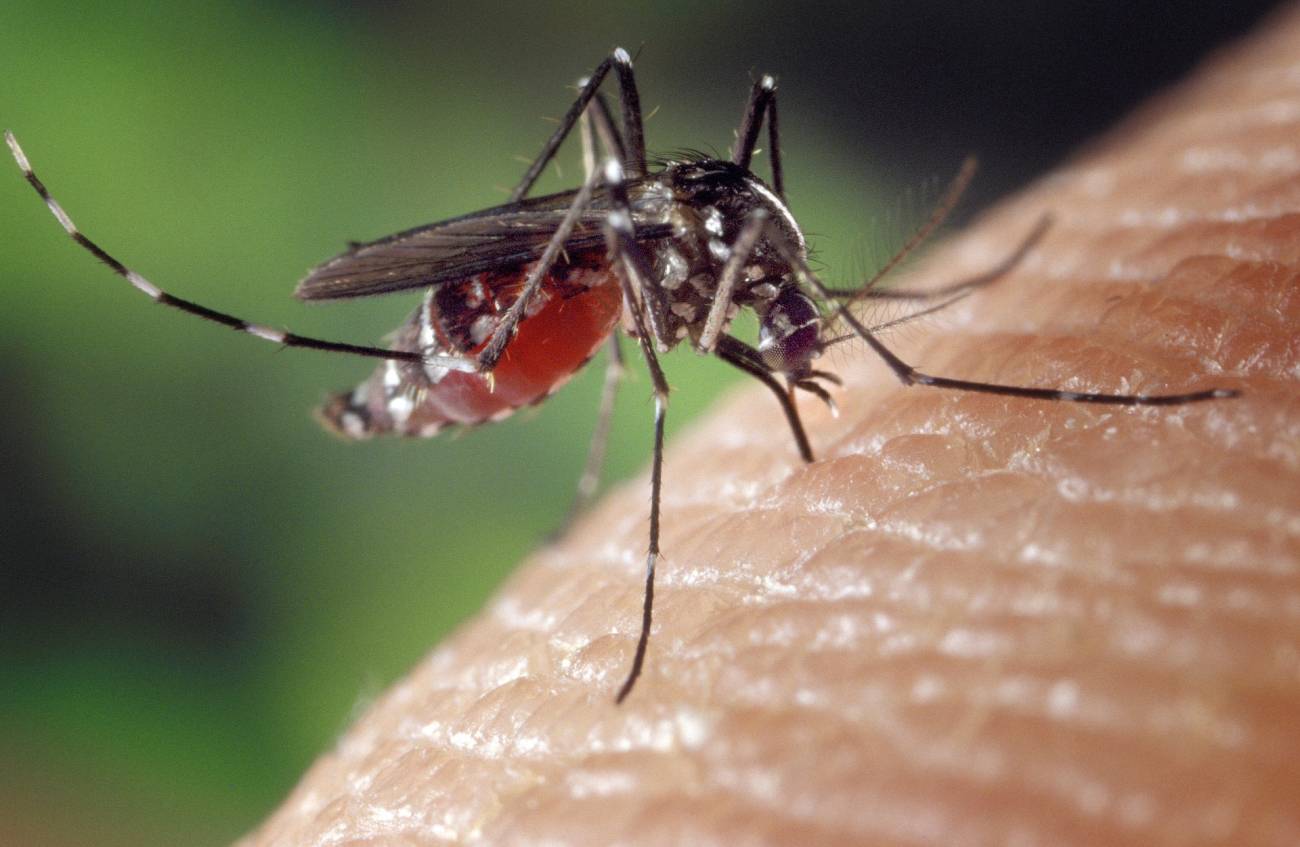
The Committee for Medicinal Products for Human Use (CHMP) of the European Medicines Agency (EMA) has recommended granting marketing authorisation for the tetravalent dengue vaccine (live, attenuated) Takeda. The vaccine is intended to prevent disease caused by dengue virus serotypes 1, 2, 3 and 4 in people aged four years and older. Although an approved vaccine already exists, according to the EMA, this quadrivalent vaccine shows increased protection in children and people over 45 years of age.

0

Reaction to the closure of a farm in Toledo due to the suspected first autochthonous case of cholera in Spain since 1979

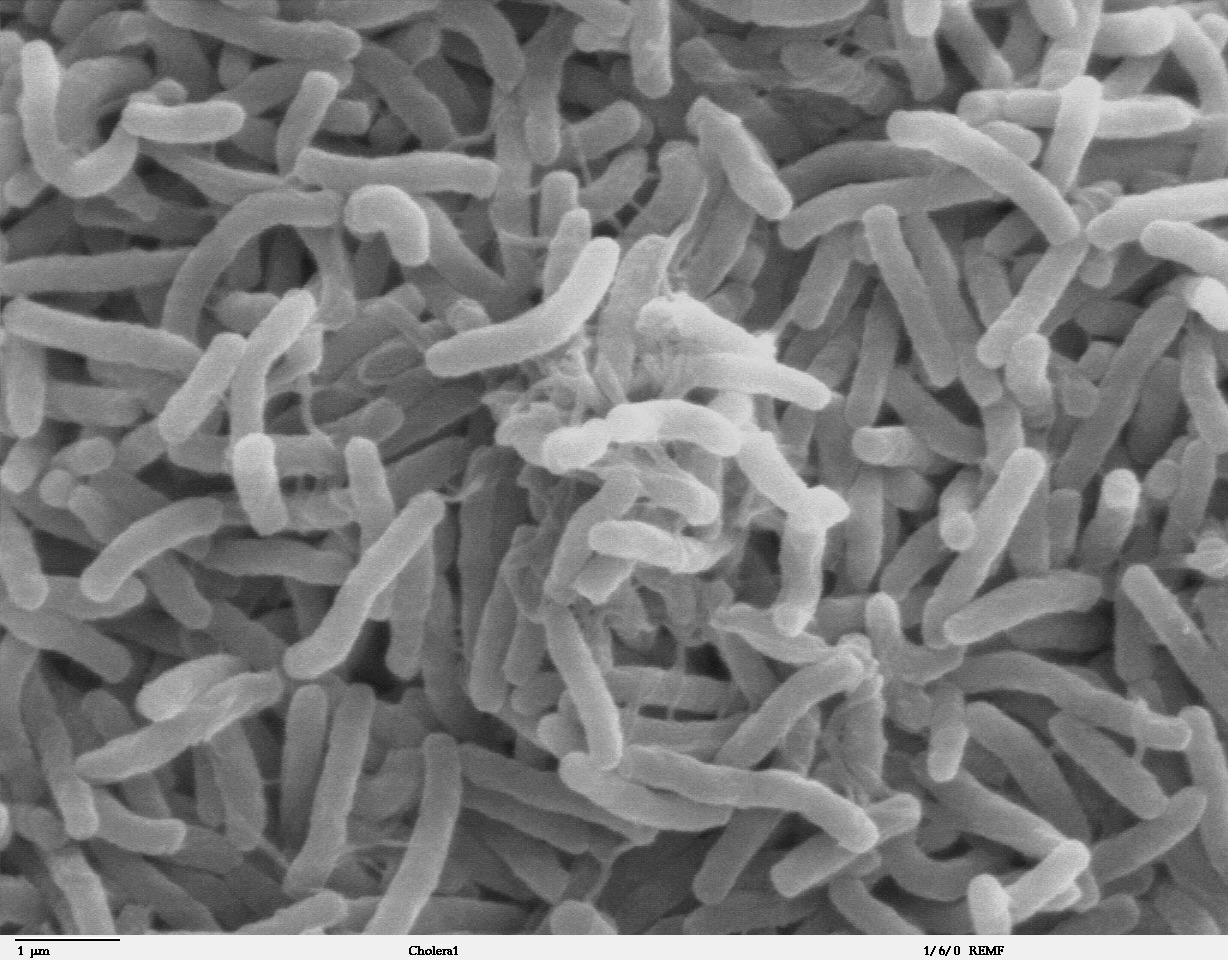
Castilla-La Mancha has sealed a farm in Toledo after a minor was hospitalised (and later discharged) after drinking water from a tap. Analyses by the Instituto de Salud Carlos III have confirmed that it is not cholera. Although the bacteria consumed is the same, in this case it did not contain the toxins that cause the disease.