Pablo Gago

Pablo Gago

Pablo Gago
Position

Senior Scientist at the Institute of Environmental Diagnosis and Water Studies at CSIC (IDAEA-CSIC) and visiting professor at SLU Swedish University of Agricultural Science (Sweden)

International fish trade increases risk of PFAS exposure worldwide
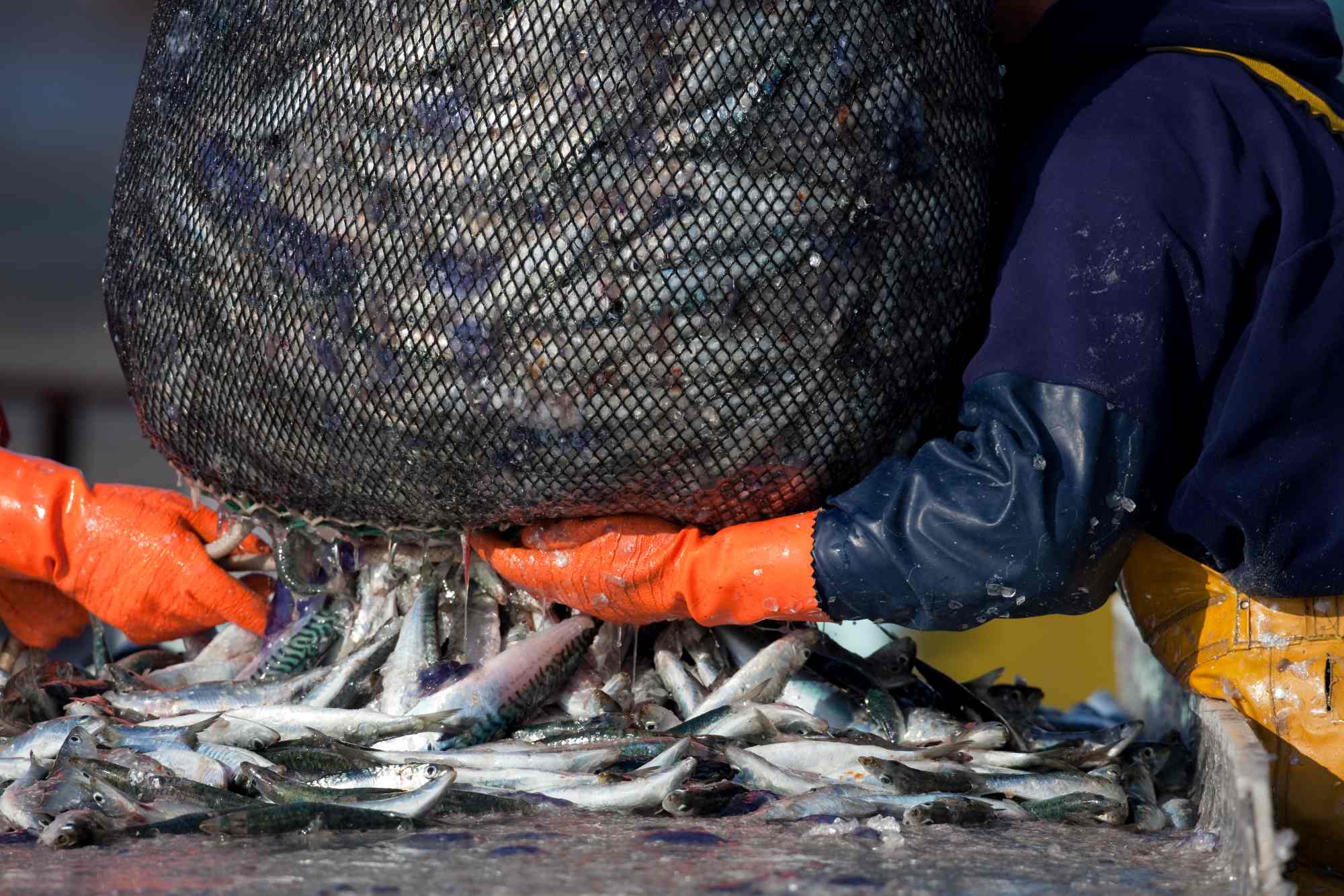
Science journal has published a global map showing exposure to perfluoroalkyl and polyfluoroalkyl substances (PFAS) through the consumption of fish products. PFAS are substances that are difficult to break down, meaning they can accumulate in the body, and some are linked to health problems. The authors collected data over 20 years from PFAS measurements in the marine environment and fisheries, and mapped the concentrations of these compounds in more than 200 species of marine fish. The study shows that international fish trade redistributes the risk of PFAS exposure from highly polluted regions to less exposed areas, with European trade playing a key role in increasing the risk of exposure to these substances. 

0
Bananas from the area around the eruption on La Palma are safe and nutritious

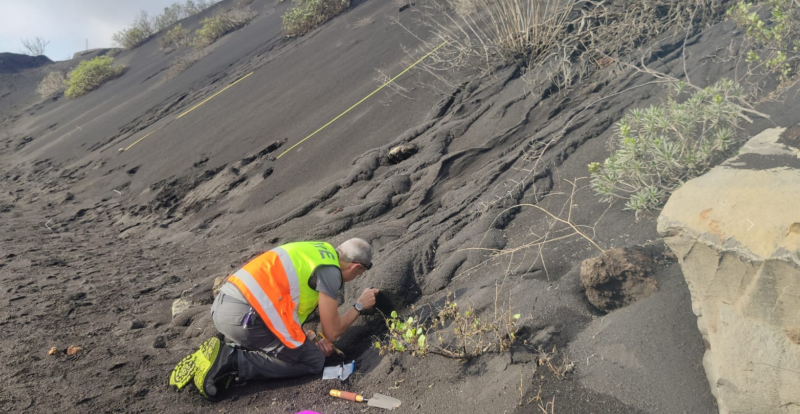
In 2021, the eruption of the Tajogaite volcano on the Canary Island of La Palma caused the loss of 53,000 tonnes of bananas, equivalent to 50% of its production, which is essential to the local economy. Given the potential risk of contamination from ash and magma, a team of researchers from Spanish centres analysed the composition of bananas in the area of the eruption. The study, conducted using mass spectrometry and published in PLOS One, confirms that they are safe and healthy to eat. For most potentially toxic elements, the estimated maximum intake remained below 1% of the tolerable daily intake (TDI) and in no case exceeded 3% of the TDI.

0