12 de Octubre University Hospital
If you are the contact person for this centre and you wish to make any changes, please contact us.
Researcher at GenELA - Genetic Diagnosis and ALS Research Laboratory, 12 de Octubre University Hospital, 12 de Octubre Hospital Health Research Institute, Biomedical Research Network Center for Rare Diseases (CIBERER)
Project Manager of the Innovation in Global Pediatric Infectious Diseases group. i+12 Research Institute. Hospital 12 de Octubre.
Coordinator of the Uroncology Unit at the 12 de Octubre University Hospital in Madrid, and medical doctor at ROC Clinic and HM Hospitals
Cardiologist at the 12 de Octubre Hospital in Madrid and principal investigator of the Multidisciplinary Translational Cardiovascular Research Group of the National Center for Cardiovascular Research (CNIC)
Psychiatrist for children and adolescents at the 12 de Octubre University Hospital and associate professor in the Legal Medicine, Psychiatry and Pathology Department of the Faculty of Medicine of UCM
Head of the Haematology Department at Hospital 12 de Octubre
Neurologist at the Department of Neurology of the Hospital Universitario 12 de Octubre and professor at the Department of Medicine of the Universidad Complutense de Madrid
Researcher of the Innovation in Global Pediatric Infectious Diseases group. i+12 Research Institute. Hospital 12 de Octubre.

A study carried out in two hospitals in Denmark has compared the brain health of 120 patients admitted for covid over 18 months with that of other hospitalized patients with similar severity due to pneumonia, heart attack or need for intensive care, as well as with healthy people. The conclusions are that patients with covid worsened with respect to the latter, but did so in a similar way to other hospitalized persons. According to the authors, "although studies are needed to confirm these findings, brain health after covid-19 appears generally comparable to that of other diseases of similar severity."

A meta-analysis, pooling the results of 40 previous studies - involving more than 310,000 children and adolescents in total - concludes that treatment rates for mental disorders in these age groups are "generally low, especially for depression and anxiety". The research, published in JAMA Network Open, shows that the treatment rate for any mental disorder is 38%, ranging from 31% for anxiety, 36% for depression, 49% for conduct disorders and 58% for attention deficit hyperactivity disorder (ADHD).
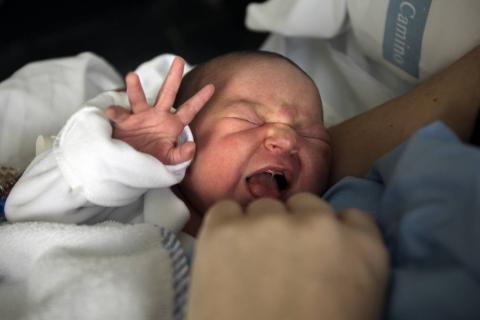
A phase 2 clinical trial has analysed the safety and efficacy of adding immunotherapy to traditional chemotherapy to treat a subtype of acute lymphoblastic leukaemia in children under one year of age. This subtype of leukaemia, although rare in absolute terms, is the most common in children of this age, and its prognosis in this age group had not improved in recent years. The immunotherapy used, a bispecific antibody that binds to tumour cells on the one hand and T lymphocytes on the other, improved two-year survival from 66% to 93% in treated patients, according to The New England Journal of Medicine (NEJM).
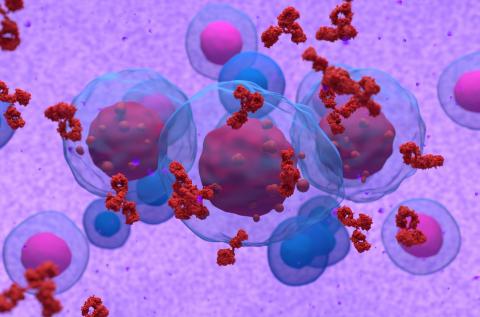
Approved therapies to treat various tumours using CAR-T cells are based on the modification of the patient's own lymphocytes in the laboratory, which delays their administration. A phase 1 clinical trial has used ready-made donor cells to treat patients with multiple myeloma. The results are published in the journal Nature Medicine.
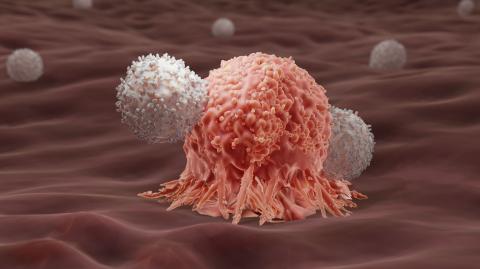
Two preclinical studies published in the journal Science have introduced new bioengineered modifications to CAR-T cells in an attempt to make them more potent and safer in their anti-tumour action. These variations allow their activity to be enhanced only in the vicinity of the tumour or their actions to be regulated on demand.

Research published in the American Journal of Preventive Medicine has modelled the impact of ultra-processed food consumption on premature and preventable deaths in Brazil in 2019. According to the research, increased intake of these foods was associated with more than 10% of premature deaths in Brazil in 2019, representing about 57,000 deaths.