Journalists

Journalists

Covering current events in science, the environment, technology and health requires a context and reliable sources that respond quickly.

¿Qué me ofrece?

When science hits the headlines, we publish reactions, explanations, and in-depth analysis from reliable sources, capturing both the evidence and the debates. Our library of science journalism resources and the briefings may be of use to you. Consult our directory of research centres.

Icono
Cómo trabajamos

We are on the lookout for any controversial information about science (embargoed or not), in order to react with the agility the media needs. Sign up to receive our embargoed contents, all under the Creative Commons licence. Find out more about how we work here.

Título qué me ofrece
What we offer you
Título cómo trabajamos
How we work

Reaction to the closure of a farm in Toledo due to the suspected first autochthonous case of cholera in Spain since 1979

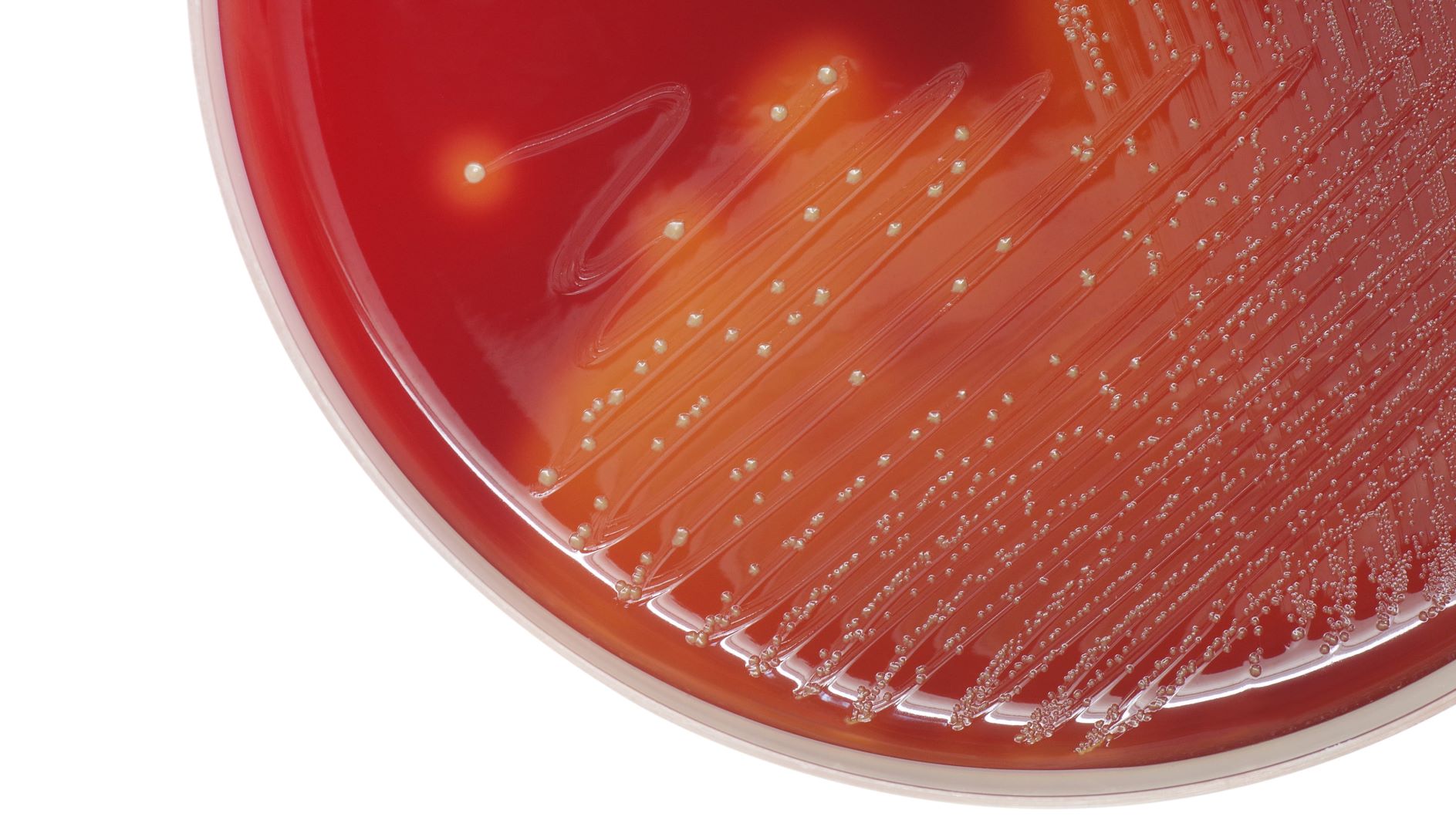
Castilla-La Mancha has sealed a farm in Toledo after a minor was hospitalised (and later discharged) after drinking water from a tap. Analyses by the Instituto de Salud Carlos III have confirmed that it is not cholera. Although the bacteria consumed is the same, in this case it did not contain the toxins that cause the disease.

Reactions to research warning of low impact of Sustainable Development Goals on public policy

The UN-driven Sustainable Development Goals (SDGs) have influenced governments' narratives around sustainability, but have not led to substantial changes in legislative action or resource allocation, according to an analysis published in the journal Nature Sustainability that has analysed more than 3,000 studies.

'Burnt out' in the ER

A survey of emergency professionals in more than 90 countries found symptoms of "worker burnout" in 60% of respondents. These are worrying data, says the president of the European Society of Emergency Medicine (EUSEM), because "two problems converge: high levels of burnout and a shortage of professionals".


1