Reactions to the study analysing 185 cases of monkeypox in Spain
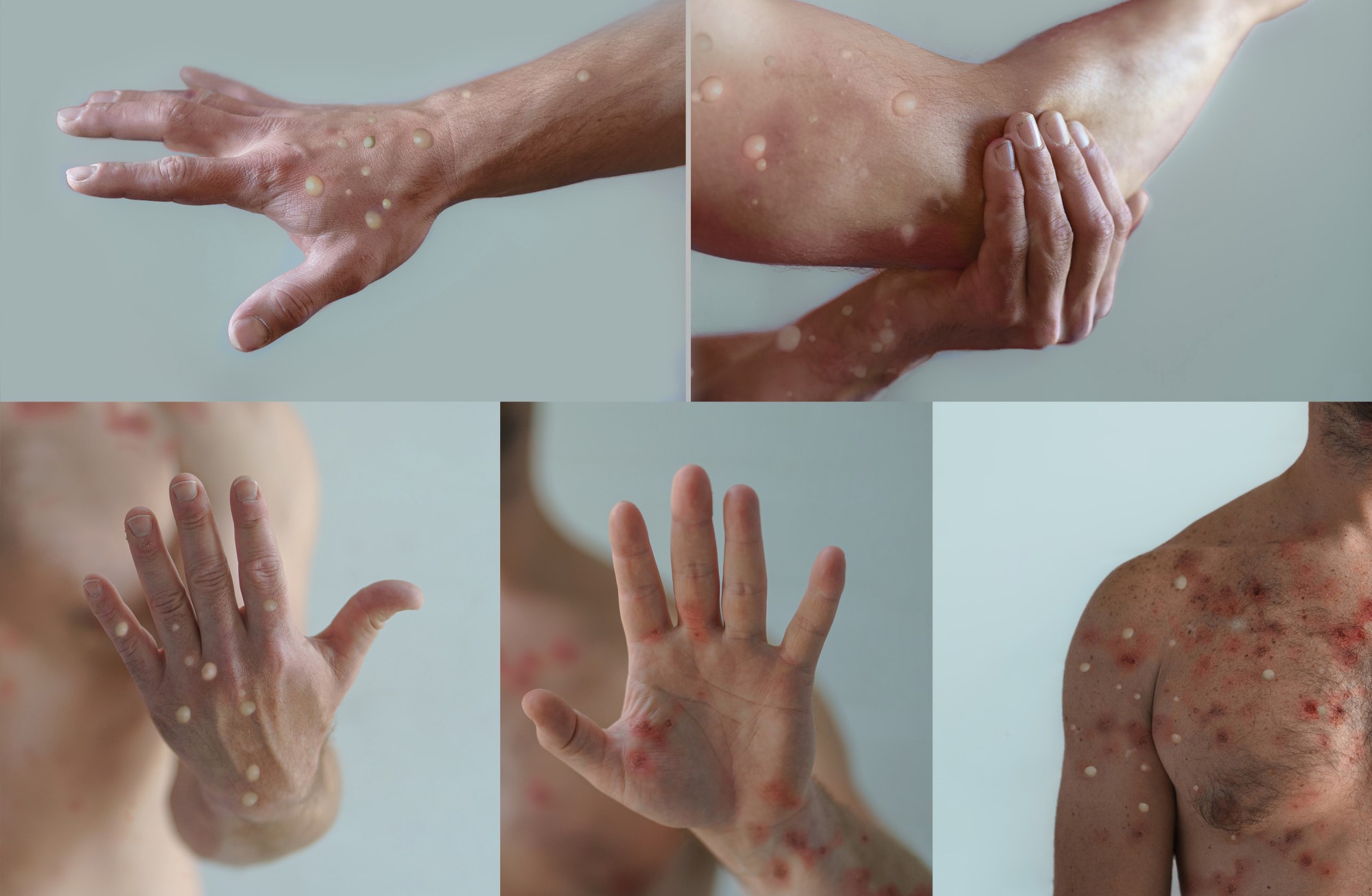
A study published today analyses 185 cases of monkeypox reported in Spain up to 11 July.
Covering current events in science, the environment, technology and health requires a context and reliable sources that respond quickly.
When science hits the headlines, we publish reactions, explanations, and in-depth analysis from reliable sources, capturing both the evidence and the debates. Our library of science journalism resources and the briefings may be of use to you. Consult our directory of research centres.
We are on the lookout for any controversial information about science (embargoed or not), in order to react with the agility the media needs. Sign up to receive our embargoed contents, all under the Creative Commons licence. Find out more about how we work here.
A study published today analyses 185 cases of monkeypox reported in Spain up to 11 July.
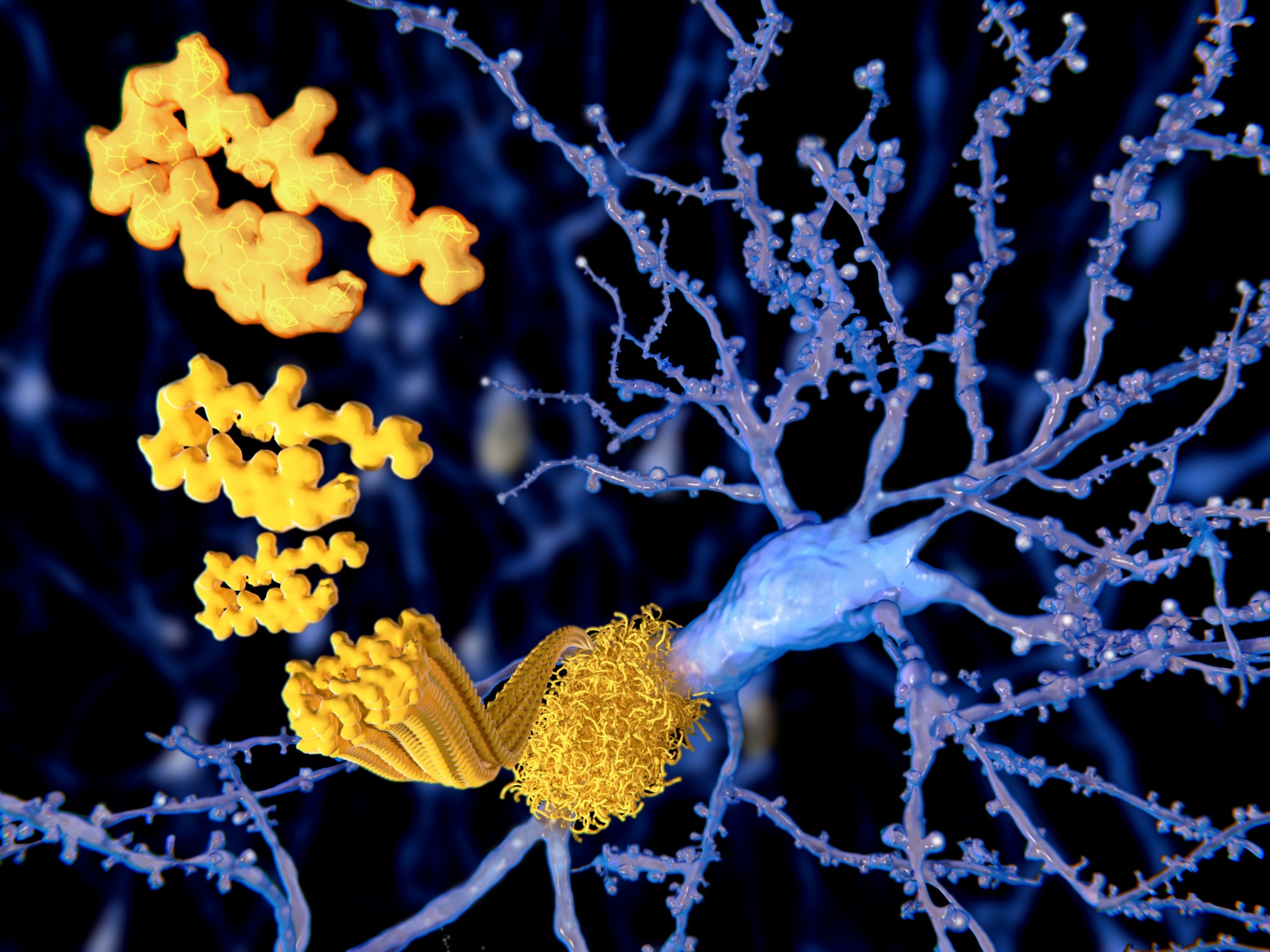
Science magazine has published a report revealing multiple indications of fraud in one of the most cited publications on Alzheimer's disease. We explain what it means for the science that studies this disease.

The Council of Ministers on Monday approved a package of urgent energy efficiency and energy saving measures, including limiting the thermostat on air conditioning and heating in transport, workplaces and shops.

A study published in PNAS sets out a worst-case scenario for current climate change, explains the likelihood of its occurrence and analyses the devastating consequences it would have. It also includes a research agenda to address it.
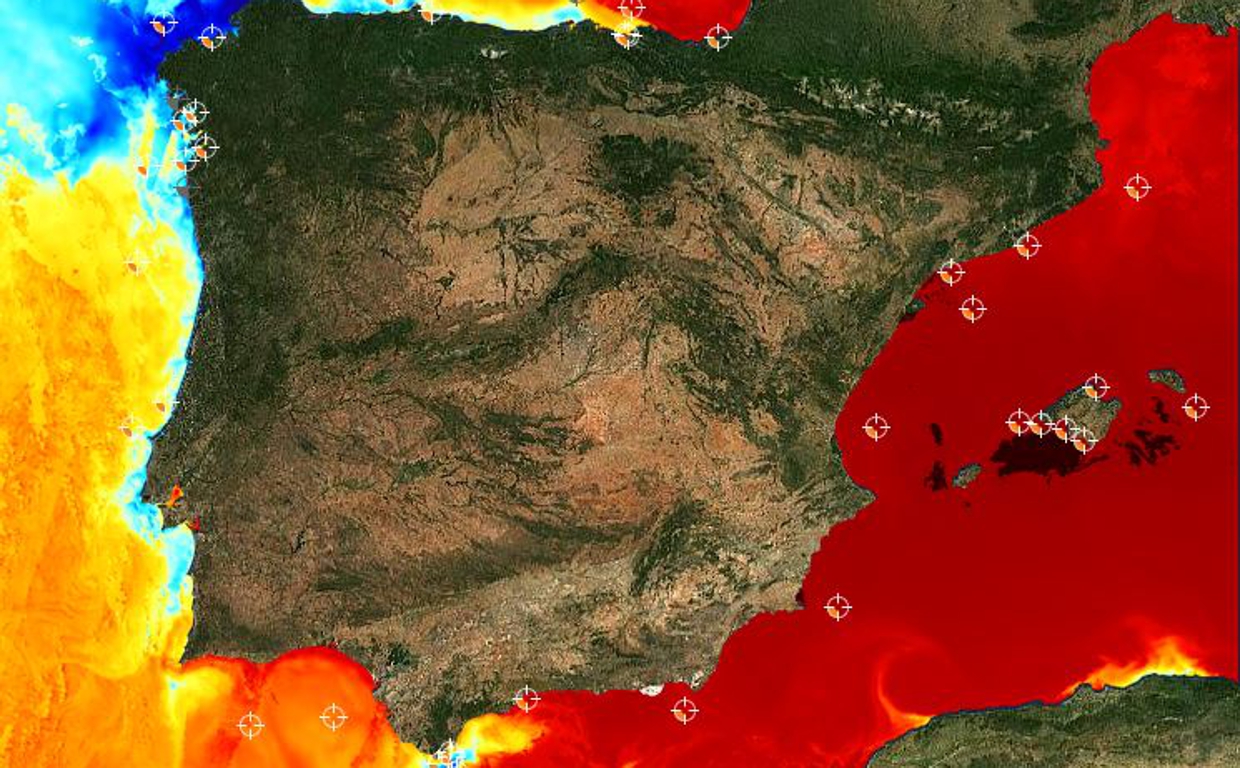
Apart from the disastrous impact of these temperatures on the marine ecosystem, we must ask ourselves whether this will mean an autumn of heavy rainfall and flooding.
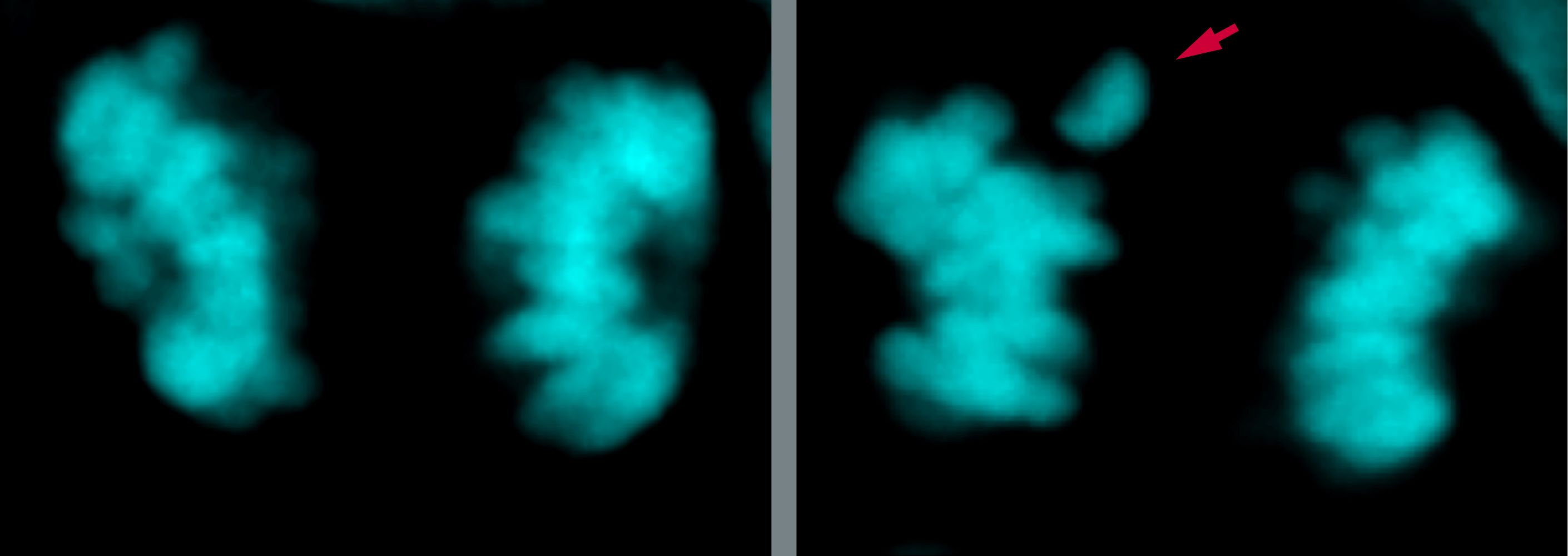
Compared to Neanderthals and apes, modern humans experience fewer chromosomal inheritance errors when their brains develop, according to a new study published in Science Advances.
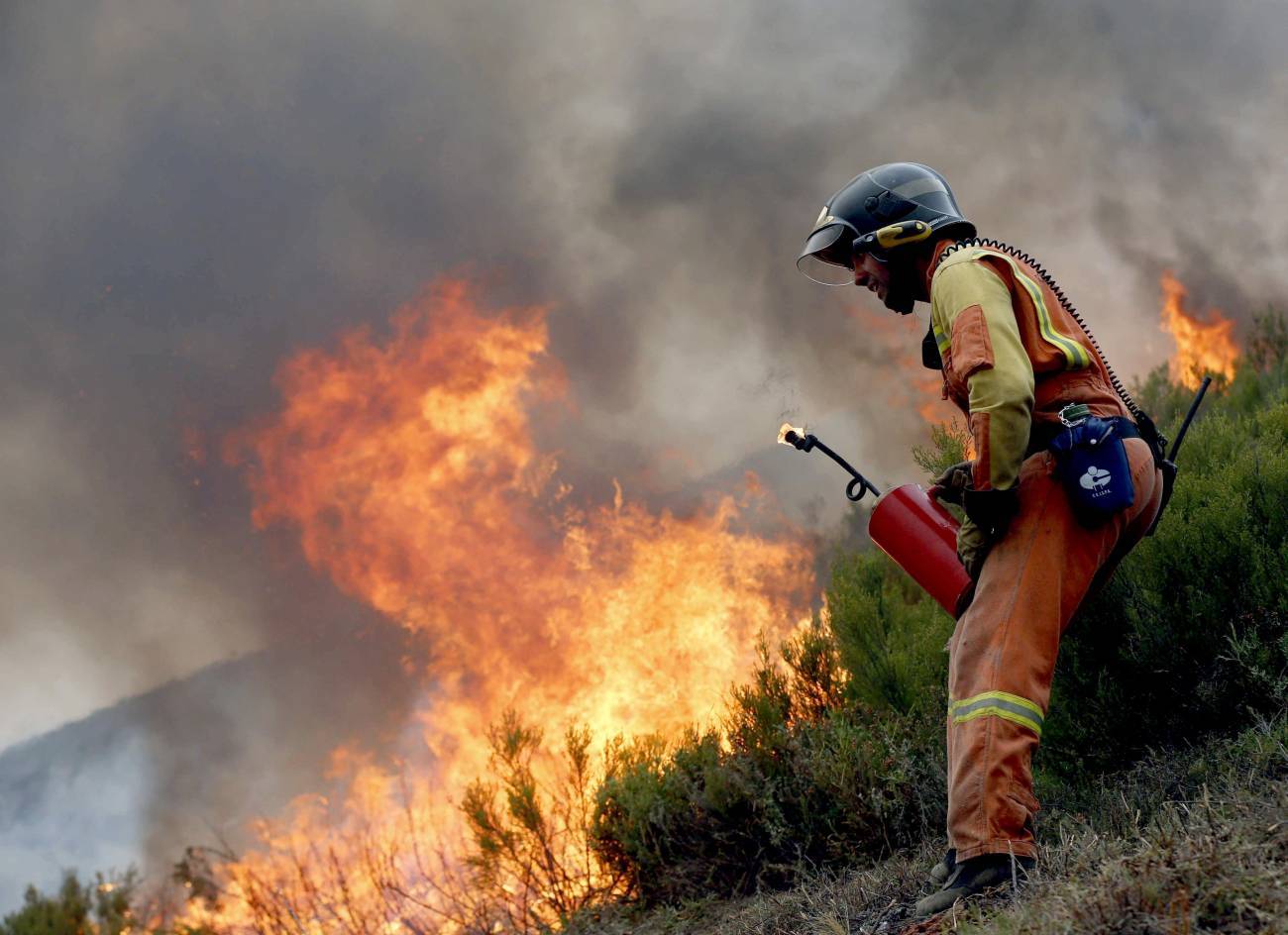
We are finding fires that exceed the maximum extinguishing capacity of the resources that are being asked to control them by 4 or 5 times, which is nonsense, as well as recklessness. We should ask ourselves about our territorial, social and economic model for dealing with this situation so that we do not leave the fire-fighting services with this intractable and unsolvable problem.
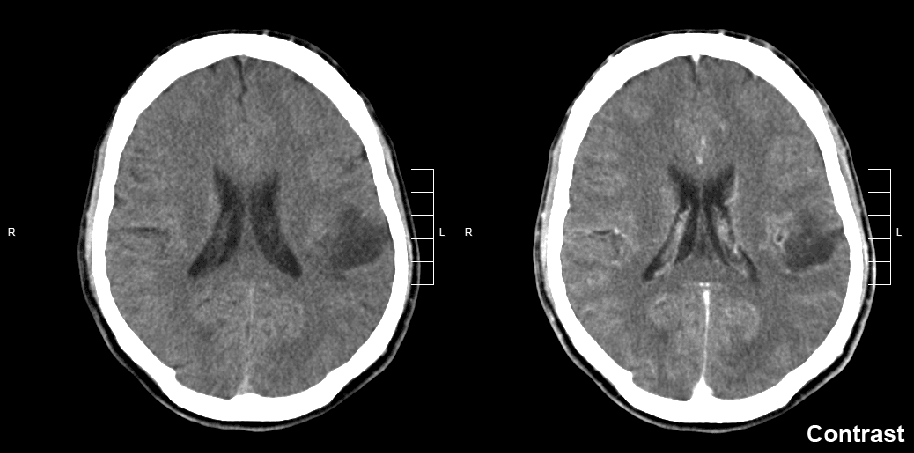
Glioblastoma is an aggressive type of cancer that arises in the brain or spinal cord. Researchers have identified a new drug that exploits DNA repair defects to selectively target tumours that are resistant to chemotherapy treatment with temozolomide. The research is published in Science.
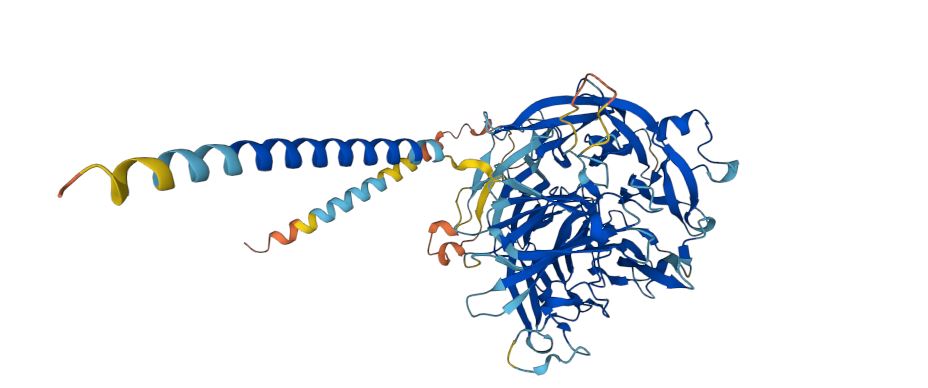
The database with the predicted 3D structures of almost all catalogued proteins has just been published. The impact on biology is incalculable, from the development of a vaccine against malaria, to understanding Parkinson's disease, the health of honeybees or the fight against plastic pollution.

Research conducted on more than 25,800 healthy adults aged 50 and older in the United States concludes that taking vitamin D supplements does not reduce the risk of bone fractures. The study is published in The New England Journal of Medicine.