Extreme rainfall, as well as drought, is threatening cocoa crops worldwide
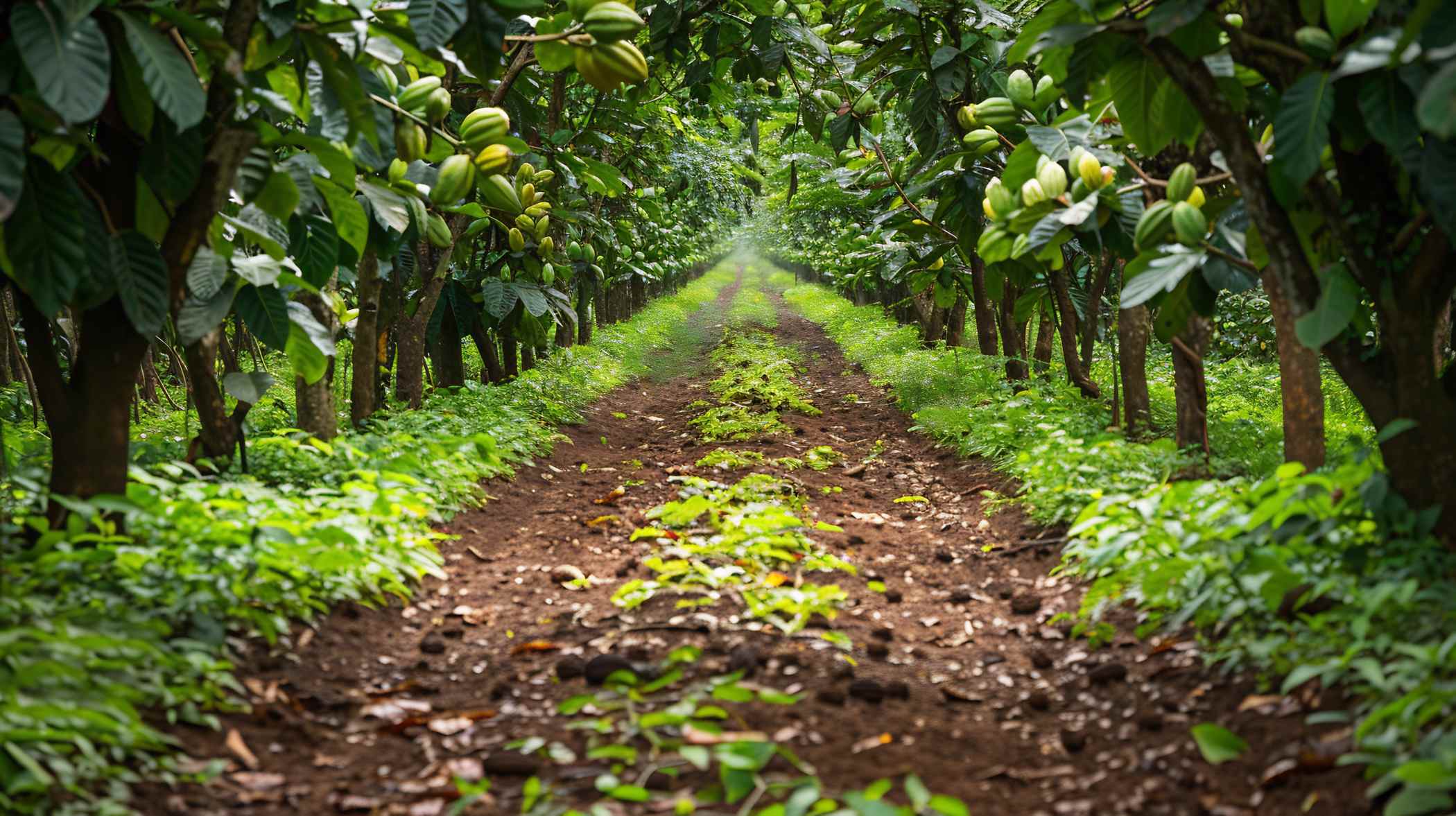
A team from Harvard University (United States) and the University of Ghana has analysed the meteorological factors that can most significantly affect cocoa crops, the raw material used to make chocolate. In addition to low rainfall during the dry season – a long-standing concern – heavy rainfall during the wet season has emerged as a key factor. This pattern was observed in all three countries studied, which are major cocoa producers: Ghana, Ecuador and Indonesia. The authors, who have published their findings in PNAS, emphasise that rainfall harmful to cocoa is linked to larger-scale climate patterns, such as El Niño or variations in sea surface temperature in the Atlantic; consequently, it is possible to predict some poor harvest years before the damage occurs, with sufficient advance warning to alert farmers.
Tomás García - cacao lluvias EN
Tomás García Azcárate
Agricultural economist specialising in the Common Agricultural Policy and agricultural markets, associate researcher at CEIGRAM, member of the Advisory Council on European Affairs of the Community of Madrid and of the Committee of Experts of Foro Agrario
This is an interesting article, as there is far less evidence relating to woody crops than to annual crops. The conclusions are based on field data and a sound methodological and statistical analysis.
There are two main conclusions from the study. The first is not particularly surprising; it confirms that using point data yields better results than when average data are taken into account. The second, however, highlights the growing importance of climatic events compared with other factors that also influence yields, such as the use of fertilisers or the age of the trees.
There are no major limitations, but clearly, before drawing conclusions that can be generalised to woody crops, we need further studies on other crops.
Albright et al.
- Research article
- Peer reviewed