
In a recent study of the experiences of biomedical researchers in Spain, 43% of respondents admitted to having intentionally committed some form of scientific misconduct. The most frequent kind of misconduct was false authorship of scientific articles: 35% of the 403 respondents said they had been involved in some instance of it, says the study published in the journal Accountability in Research. Ten per cent of respondents reported a lack of informed consent, and 3.6 per cent admitted to having been involved at least once in falsification or manipulation of data.

A review including 126 studies shows an association between the use of social networking sites by 10-19 year olds and increased risk behaviours, including alcohol, tobacco and other drug use, risky sexual behaviour, gambling and antisocial behaviour. According to the authors, who acknowledge that their research does not establish causality, "precautions may need to be taken in academia, government, health and education before the risks of adolescent use of social networking sites are fully understood". The findings are published in The BMJ.

The increase in remote collaboration among scientists is associated with a decrease in innovative discoveries compared to teams working together in person at the same location. These are the conclusions of an analysis of 20 million research articles and four million patent applications published in Nature today.
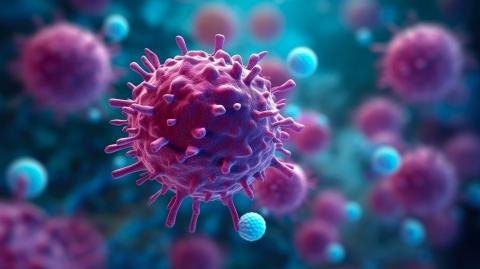
The US Food and Drug Administration (FDA) has issued a statement reporting that it has received reports of T-cell tumours in patients who received various CAR-T cell treatments. As quoted in the statement, "although the overall benefits of these products continue to outweigh their potential risks for their approved uses, FDA is investigating the identified risk of T cell malignancy with serious outcomes, including hospitalization and death, and is evaluating the need for regulatory action".

According to research published in the journal Nature Communications, the magnitude 7.8 earthquake that was felt in parts of Turkey and Syria in February this year emitted detectable signals eight months before it struck. Although it is currently not possible to predict the magnitude, time and location of earthquakes in the short term, these results would indicate that some large earthquakes may show a detectable preparation phase. However, the authors admit that, due to the large number of variables, recognising these signals and using them for medium-term earthquake prediction remains a challenge.
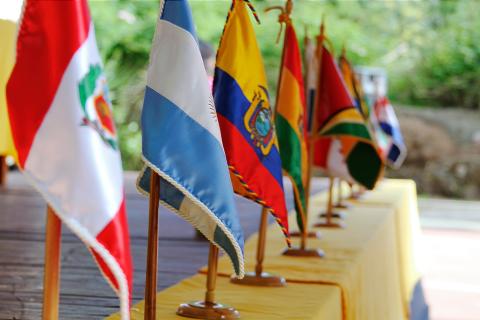
The Ibero-American Day of Science takes place on 28 November; it was launched last year during a meeting of science ministers within the framework of the Ibero-American Summit. On this occasion, we have compiled below several guides and databases maintained by universities, research centres and other science organisations that aim to help journalists in search of expert sources. Of course, this list is not comprehensive; if you have suggestions for other guides and sources—whether from Spain, Portugal or Latin America—that we could add, please don't hesitate to contact us so that we can continue to expand this resource.
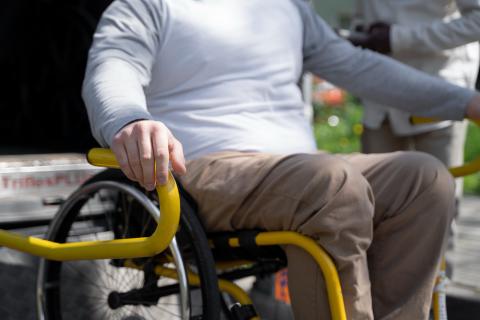
The injection of a type of stem cell into the brains of patients living with progressive multiple sclerosis (MS) is safe, well-tolerated, and has a lasting effect that appears to protect the brain against further damage, according to an early-phase trial published today in the journal Cell Stem Cell.
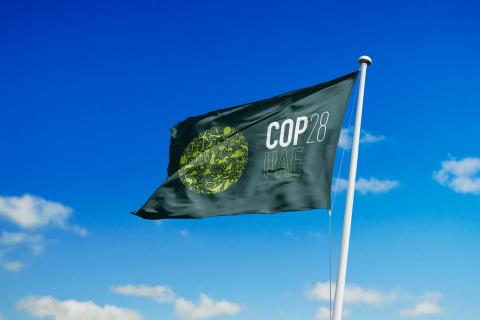
With just days to go before COP28 kicks off in Dubai -a major city in the oil-rich United Arab Emirates- climate experts are torn between mistrust and hope that world leaders will reach ambitious agreements to combat the climate crisis.

Since mid-October, northern China has reported an increase in influenza-like illness compared to the same period in the previous three years. On 21 November, the media and the ProMED system reported outbreaks of pneumonia of undiagnosed cause in children in northern China. According to the World Health Organization (WHO), it is unclear whether these are related to the overall increase in respiratory infections previously reported by the Chinese authorities or are separate episodes. In a statement, the WHO has officially requested detailed information from China on this increase in respiratory illnesses and outbreaks of childhood pneumonia.
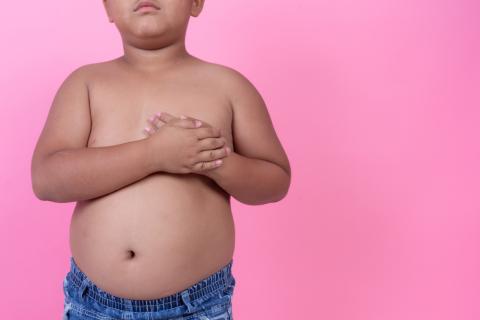
In Spain, both in the child and adult populations, excess weight and obesity are more prevalent among men. Additionally, lower educational levels, lower income, disability, and the presence of individuals with obesity in the household are factors associated with a higher prevalence of excess weight and obesity. These are some of the conclusions drawn from two scientific articles and two complementary reports prepared by the National Center for Epidemiology of the Carlos III Health Institute and the Spanish Agency for Food Safety and Nutrition (AESAN). The data is derived from the ENE-COVID survey, which investigated the seroprevalence of COVID-19 infection in Spain.