
International research estimates that by 2024 there will be approximately 1,270,800 deaths from different types of cancer in the European Union (EU) as a whole. In the specific case of colorectal cancer, the researchers estimate that mortality rates will increase among people aged between 25 and 49 in the EU. In Spain, the increase will be 5.5 % in men. The authors of the research, published in the Annals of Oncology, attribute this increased mortality to overweight, obesity and alcohol consumption in this age group.
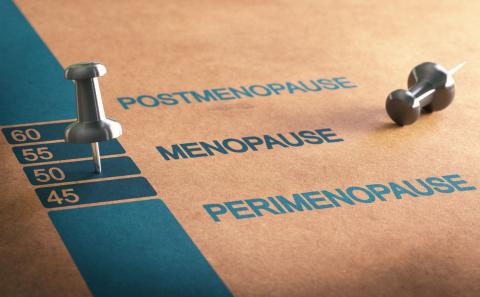
Heavy metals - including arsenic, cadmium and mercury - may adversely affect the ovaries of women approaching menopause, a study claims. Those with high levels of metals in their urine had lower levels of anti-Müllerian hormone, indicating diminished ovarian reserve - fewer oocytes in the ovaries compared to other women of that age. The authors, whose study is published in The Journal of Clinical Endocrinology & Metabolism, used urine data from more than 500 women in the US up to 10 years before their last menstrual period.

US researchers have analysed data from 477 people who, using a mobile app, recorded their moods, energy levels and migraine occurrence four times a day for two weeks. Morning attacks were associated with poorer self-rated sleep quality and less energy the day before. Stress and high-energy states were linked to headaches in the afternoon, adds the study, which is published in the journal Neurology.

People with Down syndrome often have heart problems, which can affect their life expectancy. However, the genes responsible among the 230 possible candidates were not known. A team of researchers used human tissue and mouse embryonic hearts and concluded that an extra copy of the DYRK1A gene is important in the process. In addition, they have tested a treatment in early gestation in mouse models that reduces its consequences. The research is published in Science Translational Medicine.
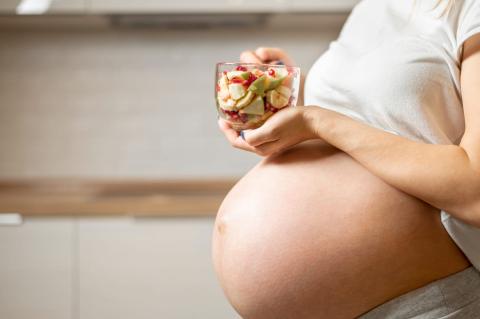
Women who follow vegan diets during pregnancy may have an increased risk of developing preeclampsia and giving birth to underweight newborns, suggests an observational study published in Acta Obstetricia et Gynecologica Scandinavica. In the investigation, more than 65,000 women identified themselves as omnivores, more than 800 as vegetarians -in some of their different modalities- and 18 as vegans.
Researchers at the University of Hong Kong have analysed data from more than 37,000 patients with type 2 diabetes followed for several years. Although some clinical trials have shown that weight loss can be quite effective in controlling the disease, the study data indicate that in the long term and 'in the real world' this is only achieved in 6% of patients. The results are published in the journal Plos Medicine.

A study published in the journal Science has analyzed the set of proteins present in the blood of 113 people with covid-19 and 39 healthy people. According to their results, patients with persistent covid had a higher amount of proteins related to complement activation, a system involved in the inflammatory and immune response. In addition, there was an increase in antibodies against cytomegalovirus and Epstein-Barr virus. According to the authors, "available therapies targeting the terminal complement pathway could offer new treatment strategies for persistent covid."

Fifteen years ago, the European Space Agency's (ESA) Mars Express probe revealed the presence of large deep deposits on Mars, in an area called the Medusae Fossae Formation (MFF), located at its equator. Now, new data from the probe's MARSIS radar indicate that the deposits are deeper than previously thought - up to 3.7 kilometers thick - and include both ice-rich and dusty layers. The results are published in Geophysical Research Letters.

Indicators of human longevity are on an upward trend in five groups of countries around the world, and the gap between women and men is narrowing, according to a study published in PLoS ONE. The gender gap in life expectancy resulting from the harmful effect of men's blue-collar jobs will shrink, but will persist in the future because men have a higher risk of certain diseases, the authors write. The research team, which includes scientists from the universities of Alcalá́, Barcelona, Oxford and London (UK), uses data and projections for 194 countries from 1990 to 2030.
In pregnant women, neither regular use of electronic cigarettes nor nicotine replacement therapy is associated with unfavorable effects, according to a trial involving 1,140 pregnant smokers in England and Scotland. The authors analyzed the association between nicotine consumption by the two routes - vaping and nicotine patches - with parameters including infant birth weight, miscarriages, premature births and respiratory symptoms in the mother. The research is published in the scientific journal Addiction.