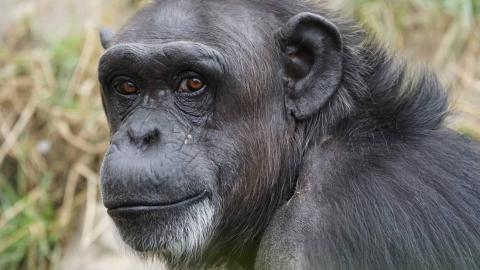
Chimpanzees can learn a new skill by observing each other — a phenomenon known as social learning — according to a study published in Nature Human Behaviour. The findings suggest that chimpanzees may have the capacity for cumulative cultural evolution, which was previously considered to be an exclusively human trait.

According to a report published yesterday in The New York Times, most of the members of the Subcommission on Quaternary Stratigraphy had rejected the proposal to declare the beginning of the Anthropocene, thus showing their opposition to the idea that this is a new geological epoch. Other sources told El País that the result of the vote was not formally confirmed. If this proposal is defeated, the process could be restarted from scratch at a later date.

The menopause should be tackled not just by treating specific symptoms, but more broadly, argue a group of researchers in an article published in The Lancet, one of a series on the subject. A medicalised approach can disempower women and lead to overtreatment, the authors warn. "Instead of focusing on menopause as an endocrine deficiency, we propose an empowerment model", they say. This model would incorporate the influence of psychological, social, and contextual factors that can be modified, and would also value the patient as the expert on her own condition.

A multidisciplinary team of researchers has succeeded in developing different types of organoids from cells obtained from amniotic fluid. According to the authors, this breakthrough could help to better understand the later stages of development during pregnancy and to advance research into congenital anomalies. The study is published in the journal Nature Medicine.

Toledo and Alicante are suffering the first outbreaks of measles recorded in Spain since the pandemic, El País reported today. In total, 15 cases have been confirmed since 1 January, of which seven are imported and eight autochthonous.
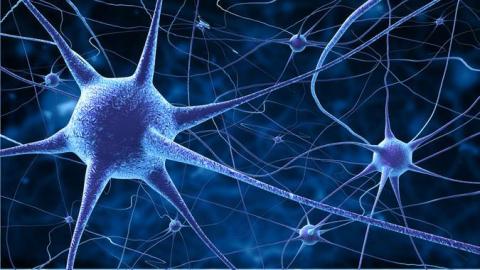
A study published in Nature in which researchers from the University of Valencia have participated has identified a neuron migration route that begins in the foetus around mid-gestation and continues until between two and three years of age. The route extends from the lateral ventricle, where these cells are born, to the entorhinal cortex, an area related to the regions where memory and learning are consolidated. There, neurons await signals that induce them to mature, providing plasticity to the brain after birth.

Eating more ultra-processed foods is linked to a higher risk of health problems, according to an umbrella review of 45 previous meta-analyses, involving almost 10 million people in total. The research, published in The BMJ, finds direct associations between exposure to ultra-processed foods and 32 health parameters. The strongest evidence links this exposure to cardiometabolic health problems, mental disorders and overall mortality.

Sexual harassment on public transport affects the health and well-being of women around the world, according to a study by the University of Valencia. These events cause them to change their behaviour - for example, they travel accompanied, avoid certain places and stations or certain times of the day - as explained by the research, which analyses almost 30 previous studies carried out on several continents. The authors, whose study is published in PLoS ONE, highlight the contrast between "high government awareness of the problem and the paucity of measures to improve women's safety on transport". In addition, they propose including women in transport decision-making.

Epigenetic editing is a technique that aims to alter gene expression without the need to modify the DNA sequence, as gene editing techniques do. In this way, Italian researchers have succeeded in silencing the PCSK9 gene in mice, thereby reducing cholesterol levels by half for at least a year. According to the authors, and assuming further evaluation is needed, their platform "could lay the foundations for the development of this type of therapy". The results are published in the journal Nature.

Sperm from older fathers are more likely to pass on new mutations that would cause congenital disorders to their babies, while other mutations are independent of paternal age, says a study published in Genome Biology and Evolution. The team analysed the frequency of ten FGFR3 gene variants in semen samples from anonymous donors aged 23-59 years in Austria. Two pathogenic mutations of this gene do occur more frequently in older fathers: those associated with achondroplasia and with thanatophoric dysplasia, a rare and very fatal disease. Other mutations have no correlation with paternal age and may occur in the testes before sexual maturation, according to the study.