
A study published in the journal PLOS ONE, which includes data from over 3,000 Spanish adolescents and children, has shown that those living in more walkable areas report spending more minutes per day engaging in active transportation compared to those from less walkable neighborhoods. Along those lines, the lowest average minutes spent playing outdoors are observed among participants from neighborhoods with lower socioeconomic status and less walkability. The research is part of the PASOS study, coordinated by the Gasol Foundation.

Research involving more than 3,000 adolescents and children from all Spanish autonomous communities concludes that those living in less walkable neighbourhoods with lower socioeconomic status walk less and engage in less physical activity at weekends than those living in more walkable areas with higher socioeconomic status. The paper, published in the journal PLOS ONE and part of the PASOS study, was presented by two of its authors at a briefing organised by SMC Spain.
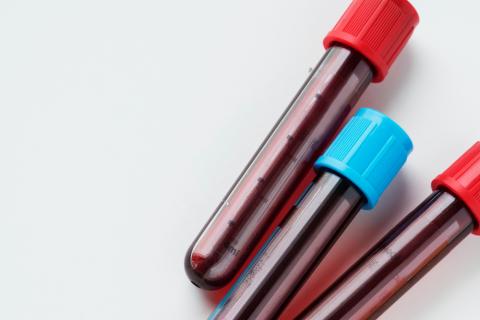
Two studies published in the New England Journal of Medicine evaluate colorectal cancer screening tests that could be alternatives to the existing faecal immunochemical test (FIT), which detects occult blood in stool. The first study uses a new generation test that detects DNA in stool and has a higher sensitivity than FIT, 93.9% for colorectal cancer and 90.6% for advanced neoplasia (tumour formation). The second uses a blood-based DNA detection test with a sensitivity of 83% for colorectal cancer and 90% for advanced neoplasia.

A group of trans scientists and family members of trans people have called on their peers to help build a trans-inclusive academic world and rigorous research on sex and gender issues. In an article published in the journal Cell, the authors describe their experience in academia and propose actions that individuals and institutions can take to support trans scientists, such as creating gender-neutral spaces, collecting environmental data, or obtaining information on trans academic outcomes.
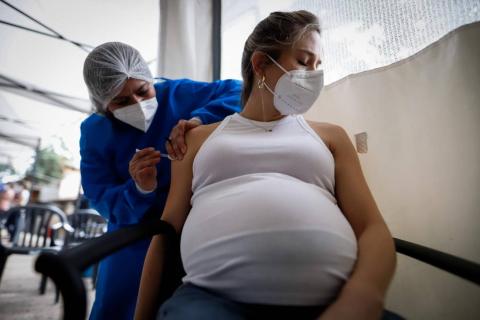
The NEJM publishes the results of a phase III clinical trial conducted by GSK that had to be suspended due to a safety signal. The study shows that newborns of vaccinated mothers had a lower risk of experiencing severe events associated with the respiratory syncytial virus (RSV), but also a higher risk of being born prematurely.

Research led by ISGlobal and the Barcelona Supercomputing Center (BSC-CNS) shows that air pollution in 35 European countries - including Spain - has decreased in terms of levels of suspended particulate matter (PM2.5 and PM10) and nitrogen dioxide (NO2). However, ozone (O3) pollution increased in southern Europe, as shown by daily data collected between 2003 and 2019 and published in the journal Nature Communications. The study also looked at the number of days on which limits for two or more pollutants were exceeded simultaneously: despite improvements, 86.3% of the European population experienced at least one day with compound pollution per year.

[This article has been retracted by BMJ on 23 September 2025]. Ingesting small amounts of apple cider vinegar daily for three months helps control weight in overweight or obese people, according to a clinical trial involving 120 young Lebanese people. The results, published in the journal BMJ Nutrition, Prevention & Health, show that consumption of this substance - which has become fashionable among some celebrities - was associated with decreases in weight, body mass index and blood levels of glucose, triglycerides and cholesterol. The authors suggest that this substance could serve as a complementary treatment for obesity.
Research published a few days ago in the New England Journal of Medicine (NEJM) found a considerable and hitherto unknown degree of micro- and nanoplastic contamination in human arteries. It was a bit of a surprise that NEJM accepted the paper, as it usually publishes little on the environmental causes of human disease. The good thing is that the publication makes visible, legitimises, stirs up and will encourage other similar work.

Smaller classroom sizes in schools are failing to increase the resilience of children from low-income families, according to a study published in the International Journal of Science Education. Data from more than 2,700 disadvantaged secondary school students in Japan and China show that minimising class sizes does not lead to better grades. The authors of the study claim that reducing classroom size may even decrease the likelihood of children achieving the best results.

A treatment using lights and sound pulses can protect mice from cognitive decline associated with chemotherapy, according to a research team at the Massachusetts Institute of Technology in the US. The benefits are greatest when the therapy is used early and preventively at the same time as chemotherapy, says the study, published in Science Translational Medicine. The use of this non-invasive sensory stimulation therapy to alleviate other pathologies has already been studied.