
An international group of researchers has conducted an epidemiological study to investigate the correlation between fine particulate matter (PM2.5) air pollution and certain types of lung cancer. The authors have confirmed their findings in animal models, according to research published in Nature.

Research published in Nature shows that the Eurasian ice sheet may have retreated up to 600 metres a day on the Norwegian continental shelf during the last deglaciation at the end of the last Ice Age, around 20,000 years ago. This would indicate that retreat rates in this region may have far exceeded previous estimates and would be much greater than any observed from satellites. According to the authors, the research "is a warning from the past about the rate at which ice sheets are physically capable of retreating".
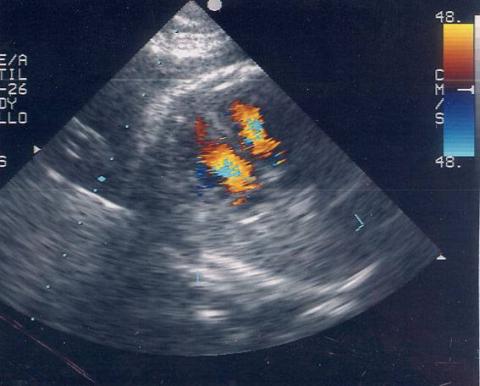
The functioning of the heart can be studied by the percentage of blood it pumps with each beat, deduced by imaging techniques. Based on analyses by cardiologists, a US clinical trial concludes that an artificial intelligence model outperforms examinations initially performed by imaging technicians in terms of accuracy. According to the authors, the tool could "save physicians time and minimise the most tedious parts of the process".

Drinking less than 25 grams of alcohol a day (2.5 standard drinking units, the equivalent of two and a half pints) does not reduce mortality, according to an analysis that aggregates data from 107 previous studies and 4.8 million people. Some studies claim that people who drink alcohol in low doses live longer and are less likely to die of cardiovascular disease than those who abstain completely. This meta-analysis published in JAMA Network Open, which brings together studies published between 1980 and 2022 in several countries, found no such protective effect. It did find a significant increase in the risk of mortality at 25 g per day for women and 45 g per day for men. In Spain, the Ministry of Health sets the limits for low-risk consumption at 10 g of alcohol per day for women and 20 g for men.
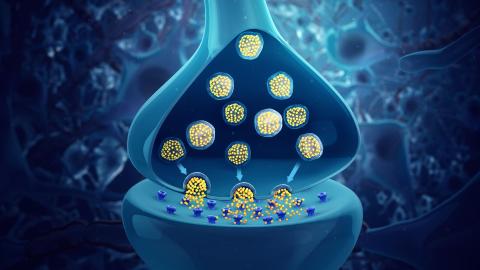
Glycine is an amino acid that also acts as a neurotransmitter, transmitting signals between neurons. According to a study published in Science, glycine's signalling in the brain and its antidepressant properties may be mediated by a receptor the authors call mGlyR. The research describes this mechanism using computational models, in vitro assays and experiments in mice. According to the authors, this receptor could be a new target for developing antidepressant drugs.

Three studies published today in Nature explore the link between the cases of childhood hepatitis of unknown origin that have occurred since 2022 mainly in the UK and the US and an adeno-associated virus. The papers do not settle the question and further studies will be needed to confirm or exclude the hypothesis.

The European Medicines Agency (EMA) has licensed Hipra's vaccine - currently called Bimervax - against SARS-CoV-2 as a booster in people aged 16 years and older who have previously been vaccinated with mRNA vaccines. The EMA began the ongoing evaluation of the vaccine, which was expected to be approved in the middle of last year, on 29 March 2022.

The former Minister of Health, Carolina Darias, announced a few days ago at a press conference the creation of new medical specialities. The first to "begin the process" will be emergency medicine, which had caused "controversy in different autonomous communities and scientific societies" and for whose implementation a consensus has been reached. It will be followed by other specialities such as Clinical Genetics and Infectious Diseases, as announced in the Senate in February.

Research published in The BMJ has compared the information on cancer drugs available to regulatory authorities with that officially received by doctors and patients. According to the authors, important information is often omitted. In particular, "none of the package inserts communicated information about the benefits of the drug that patients could expect based on the results of the studies". In addition, doubts raised by European evaluators about the reliability of the evidence "were rarely communicated to physicians, patients or the public," they say.

Babies who are exposed to dogs and cats during foetal development and early childhood have a lower risk of food allergies up to the age of three, according to a Japanese study published in PLoS ONE. Previous work has focused on the beneficial effect of dogs in this period, while this analysis, based on retrospective data from more than 66,000 children, also includes other pets such as cats and hamsters. According to the study, exposure to dogs is associated with a lower incidence of egg, milk and nut allergies, while contact with cats is linked to a lower incidence of egg, wheat and soy allergies. However, exposure to hamsters is associated with a higher incidence of nut allergy.