ageing

ageing

ageing

Chronic loneliness from the age of 65 onwards is associated with an increased risk of dementia, but occasional loneliness is not
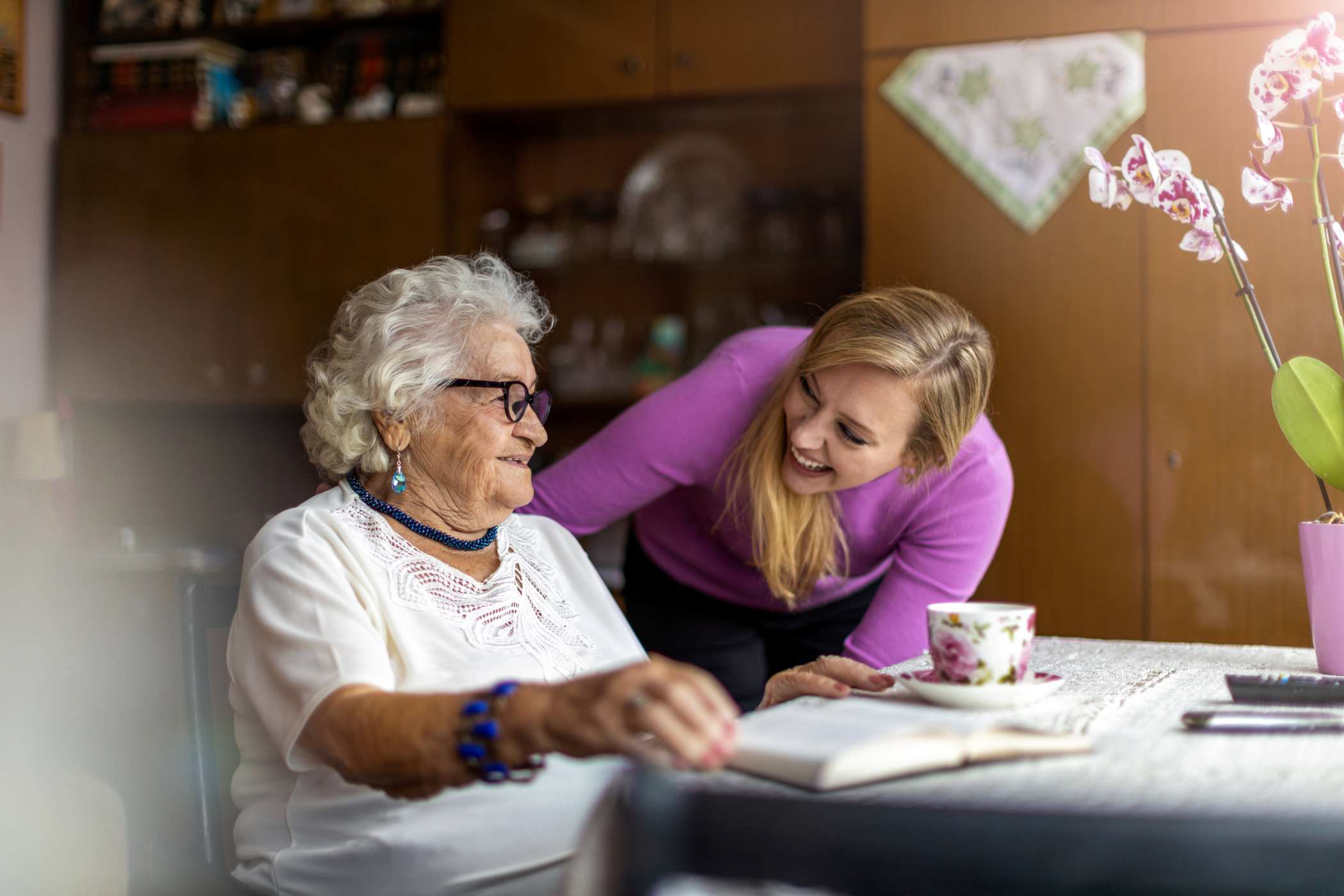
A study published in the journal Aging & Mental Health has analysed the link between loneliness and the risk of dementia in French people aged over 65. According to the study, those who experience chronic loneliness are 38 per cent more likely to develop the condition; however, occasional loneliness showed no significant association with an increased risk. The team followed 1,540 people for 30 years, of whom 560 went on to develop dementia, with an incidence ranging from 33.1 per cent in the group who never felt lonely to 49.1 per cent in the group experiencing chronic loneliness.

0
The number of people in Spain aged over 65 has exceeded 10 million for the first time

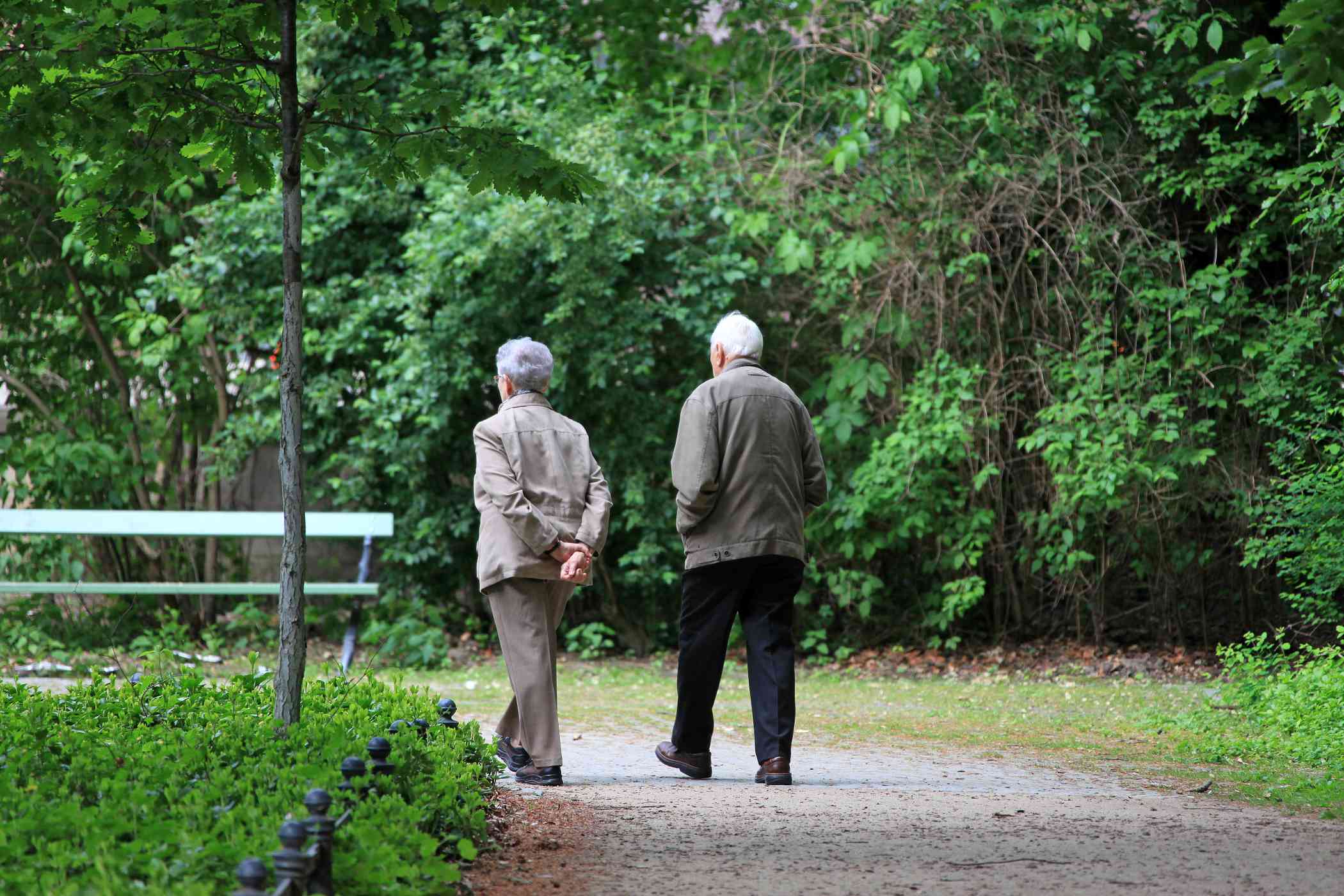
For the first time, the Spanish population aged 65 and over has exceeded 10 million people, representing 20.7 per cent of the total. This demographic ageing is reflected in the rise in the average age of the population, which has risen from 33 in 1975 to 44.55 in 2025. The number of centenarians has also risen sharply in recent decades, from 3,021 in 1981 to 17,038 in 2025. These are some of the figures published in the 2026 edition of the report A Profile of Older People in Spain, produced by the CSIC’s Institute of Economics, Geography and Demography, which combines data on demographics, health, the economy, care and digitalisation. In 2025, 96.3 per cent of people aged between 65 and 74 used a mobile phone. As for loneliness, since 2006, around 30 per cent of women aged 65 and over have been living alone, a proportion that is almost double that recorded among men.

0

Pregnancies that follow one another in quick succession could accelerate the mother’s biological ageing, according to a study

During pregnancy, women’s biological age accelerates, and this is partially reversed after childbirth. A review published in the journal Trends in Endocrinology & Metabolism suggests that closely spaced pregnancies may prevent the body from recovering fully and could lead to the accumulation of changes associated with biological ageing, with potential long-term consequences for maternal health. Although further studies are still needed to test this hypothesis, the authors suggest that the time elapsed between pregnancies could be a significant factor in women’s ageing.

0

Menopause: what science still doesn't know about this vital stage in a woman's life

Although menopause is a part of the lives of millions of women—accounting for about one-third of their lives in total—it remains one of the least-studied stages of women’s health. With up to 72 associated symptoms, there are still many unanswered questions about many of them and the impact of treatments. We spoke with experts to find out which questions remain unanswered.

0

Reducing protein intake could promote healthier ageing in most people, according to a review of studies

Numerous sources, including the new dietary guidelines from the United States, recommend increasing protein intake. Now, a review of more than 350 studies —primarily in laboratory animals— carried out by two researchers suggests, on the contrary, that consuming less protein could have greater health benefits. According to the authors, “it is clear that protein provides benefits for muscle growth and the response to exercise in active people, but, given that most people are relatively sedentary, it is likely that many consume more protein than they actually need, which is likely to have negative health consequences”. The study is published in Cell Press Blue, a journal of the Cell group.

0

Dementia risk factors vary across countries depending on social determinants

Most of what is known about dementia prevention comes from research carried out in wealthy countries. A new study of more than 214,000 people from 14 countries reveals that the most common modifiable risk factors for dementia vary greatly from one country to another, meaning that a one-size-fits-all approach to prevention will not work everywhere. The differences were striking: low educational attainment affected 85.6 % of people in China, but only 12 % in the United States; whilst a high body mass index affected 44.9 % of Americans, compared with just 13.3 % in India. Similar patterns were also observed across all regions, such as cardiovascular risks (high cholesterol and high blood pressure) and risk behaviours (smoking and drinking). The findings, presented today at the 2026 Alzheimer’s Association International Conference (AAIC) in London, are also published in the journal The Lancet Healthy Longevity.  

0

Universal molecular ‘clocks’ of ageing and mortality identified in mammals

Ageing is characterised by the accumulation of cellular damage. Among the biomarkers associated with this process are epigenetic ‘clocks’, which analyse non-genetic modifications of DNA over time. However, these approaches have certain limitations, as they do not reflect the activity of specific genes. Now, a study published in Nature has analysed more than 11,000 transcriptomes from over 25 tissues in mice, rats, macaques and humans, showing that ageing-associated changes are conserved across species and cell types. The findings reveal universal transcriptomic signatures of ageing and mortality in mammals. Using these data, the authors developed their own molecular ‘clocks’, capable of estimating biological age and expected mortality.

0

Daily intake of a multivitamin supplement slightly slows biological ageing, according to a clinical trial

A clinical trial (COSMOS) involving 958 healthy adults with an average age of 70 tested the ability of a multivitamin supplement, together with cocoa extract, to slow ageing. The results, published in Nature Medicine, show that the supplement slightly slowed two of the five biological markers of ageing measured after two years of daily use. The two markers affected were PCPhenoAge and PCGrimAge, whose rate of increase was reduced by 2.6 months and 1.4 months respectively. The slowing effect was greater among participants who initially showed more accelerated ageing. Cocoa showed no effect.

0

Human life expectancy is more hereditary than previously thought, according to a study

Genetics accounts for approximately 55% of the variability of human lifespan, which is more than double previous estimates, according to research published in the journal Science. The analysis is based on mathematical models and data from twin registries in Denmark, Sweden, and the United States. According to the authors, this high heritability is similar to that of most other complex human traits and to the influence of genetics on the life expectancy of other species.

0

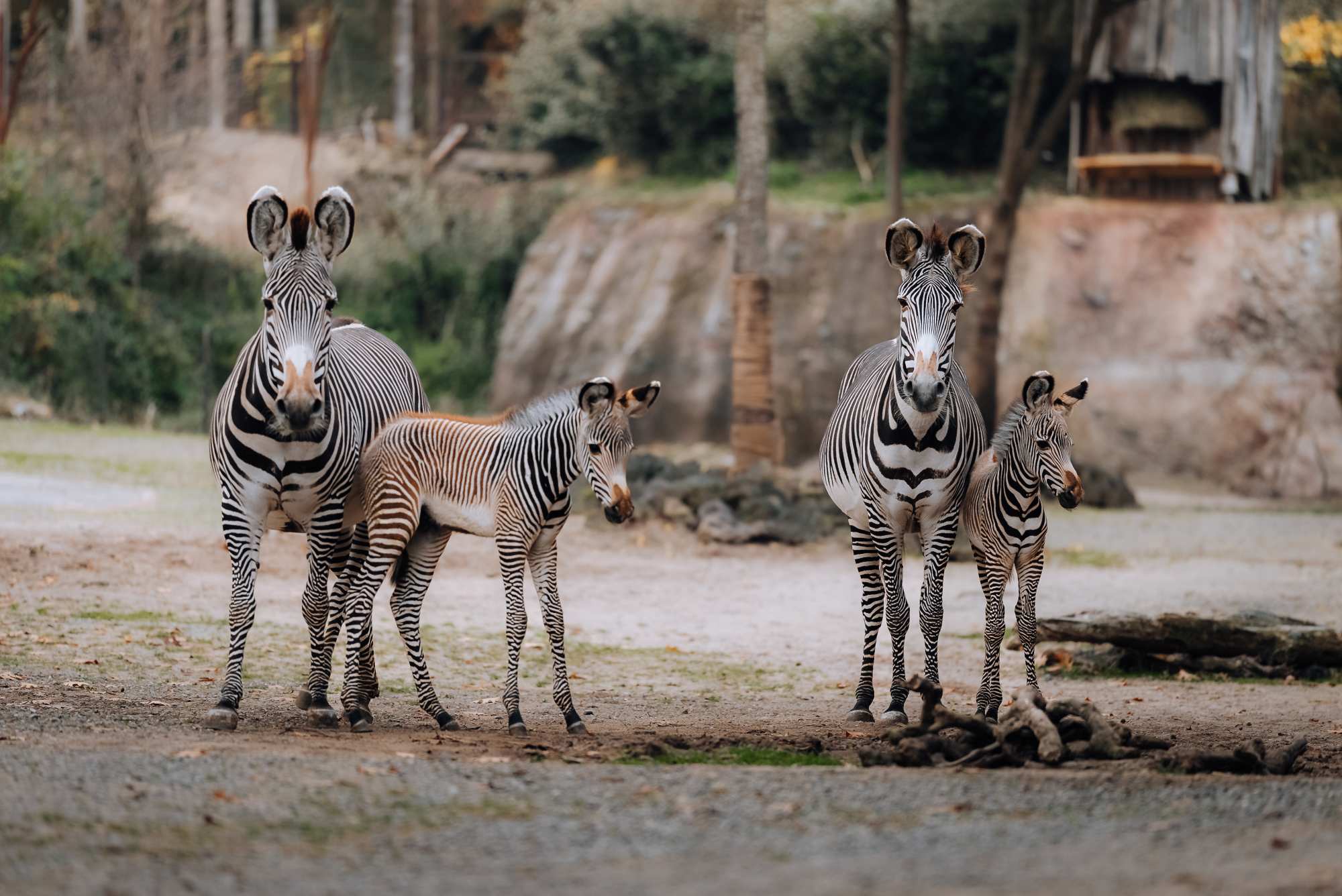
The ageing of animals jeopardises the conservation objectives of zoos

An international team has analysed data from more than 700 mammal populations in zoos since 1970 and concludes that there has been an ageing of the animals and a decline in females of reproductive age. According to the authors, this jeopardises the role of zoos in conserving endangered wildlife species and promoting global biodiversity. The findings are published in the journal PNAS.


0