food

food

food

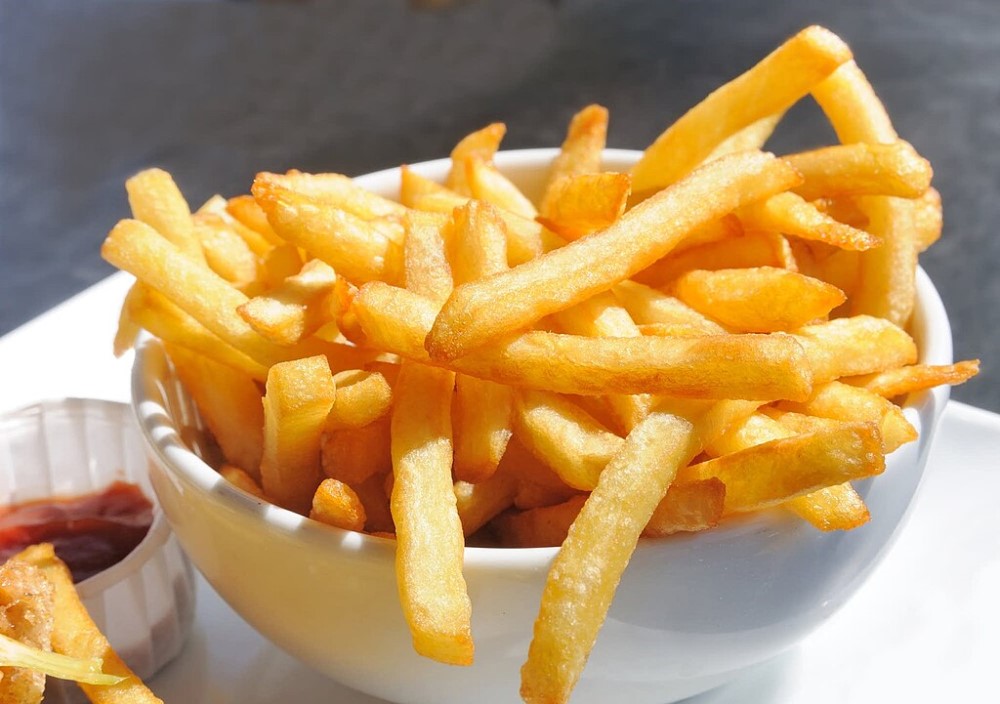
A high-fat diet favours metastasis of the most aggressive breast cancer in mice

A team led by the Spanish National Cancer Research Centre (CNIO) has shown in mice that a high-fat diet increases metastasis in triple-negative breast cancer, which has the worst prognosis. In addition, it has identified several of the mechanisms that would explain this, such as the activation of platelets and coagulation, which would help the tumour hide from the body's defences and prepare the so-called ‘pre-metastatic niche’. According to the researchers, who published the results in Nature Communications, ‘this mechanism could be extrapolated to other tumour types and other organs’. The results suggest that ‘dietary intervention, together with the control of platelet activity, may increase the efficiency of certain anti-tumour treatments’.

0

What is inflammation: a guide to information and how to avoid falling for ineffective remedies

Inflammation is all the rage. In fact, anti-inflammatory diets that claim to fight it. This is attested to by best-selling books and influencers, ready to give us the latest tips on how to lose weight, or rather, how to reduce inflammation. But what's the truth in all this, and what does inflammation have to do with being overweight? 

0

High coffee consumption associated with lower risk of head and neck cancer, study finds

According to a meta-analysis of 14 studies involving more than 25,000 people, drinking more than four cups of coffee per day was associated with a lower incidence of head and neck tumors. Drinking between none and one cup of tea was also associated with a slightly decreased risk, although daily consumption of more than one cup of tea was associated with an increased risk of developing laryngeal cancer. The results are published in the journal Cancer

0

Cells ‘remember’ obesity through epigenetic changes, which could explain the ‘yo-yo effect’

Adipose tissue retains a ‘memory’ of obesity through cellular transcriptional and epigenetic changes that persist after weight loss, which may increase the likelihood of regaining weight, experiments in human and mouse cells show. The findings, published in Nature, could help explain the problematic ‘yo-yo effect’, the rapid weight rebound often seen with dieting. 

0

Climate change and more destructive HLDD: are we prepared?

The DANA that devastated the province of Valencia on 29 October, leaving more than 200 people dead and many missing, has been followed by another one, still located over the peninsula. How can we adapt to these extreme phenomena? What repercussions do they have on public health? How can the public prepare for them? The Science Media Centre España organised a briefing session with two experts and an expert from the CSIC to discuss these questions. 

0

More than 3,000 chemicals in contact with food are identified in human samples

An international team of researchers has analyzed various data sources and scientific literature and identified 3,601 chemical substances in human samples such as blood, urine or breast milk that are known to be in contact with food, for example, because they are used in packaging. According to the authors of the study, “this work shows that food contact materials are not completely safe, even if they comply with regulations, because they transfer known substances to food". The research is published in the Journal of Exposure Science and Environmental Epidemiology.

0

Metagenome sequencing of bacteria, fungi, and yeasts present in more than 2,500 foods

An international team with Spanish participation has developed a database with the metagenome of bacteria, fungi, and yeasts present in more than 2,500 foods, mostly dairy products, followed by beverages and fermented meats. The authors identified more than 10,800 microorganisms, half of which were previously unknown species. The study, published in Cell, shows that food-associated microorganisms are present in 3% of the adult gut microbiome and 56% of that of newborns.

0