food

food

food

Reaction: Beef and dairy products have nutrients that enhance the immune response to cancer

A fatty acid present in the meat and dairy products of grazing animals, such as cows and sheep – trans-vaccenic acid (TVA) – enhances the ability of CD8+ T cells to infiltrate tumors and eliminate cancer cells, according to a new study conducted by researchers from the University of Chicago (USA), published today in the journal Nature.

0

Reaction: replacing animal foods with plant foods is associated with a lower risk of cardiovascular disease and mortality

A dietary shift from animal-based foods, such as red or processed meat and eggs, to plant-based foods, such as nuts, pulses and whole grains, is associated with a reduced risk of death and diabetes or cardiovascular disease. For example, replacing 50 grams of processed meat per day with 28-50 grams of nuts is associated with a 27% decrease in cardiovascular risk. These are the conclusions of a systematic review of 37 studies published in the journal BMC Medicine.

0

Reactions: study links emulsifier consumption by pregnant mice to health problems in offspring

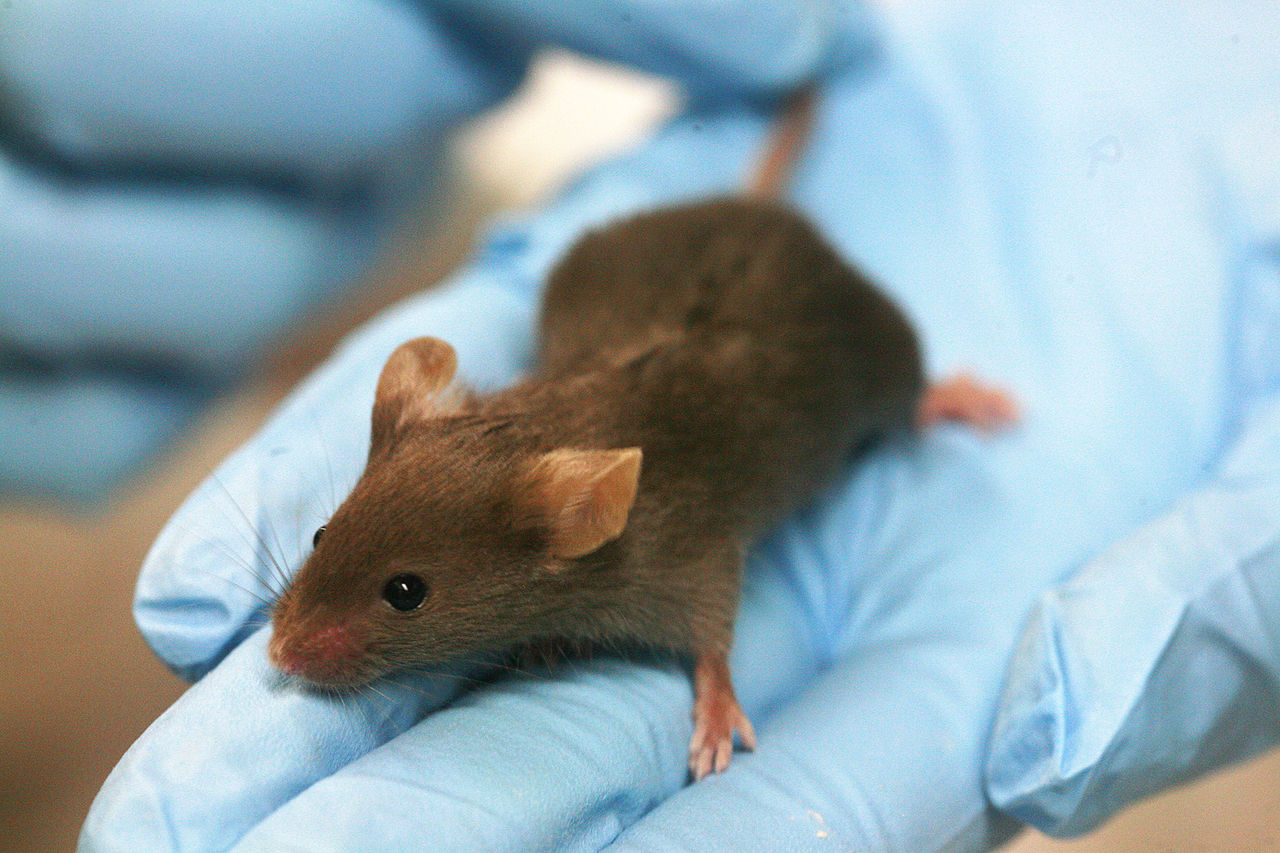
A study in mice found "mild metabolic and neuropsychological malprogramming" in the offspring of females who, during gestation and lactation, had ingested emulsifiers, substances used to improve the texture of ultra-processed foods. The article, led by a team from IDIBAPS in Barcelona and published in PLoS Biology, states that the consumption during these periods of carboxymethylcellulose and polysorbate 80 - two common emulsifiers - diluted in water was associated with metabolic and cognitive deficits in the mouse offspring.

0

Reactions: aspartame sweetener is classified as possibly carcinogenic to humans, although the acceptable daily intake remains unchanged

The International Agency for Research on Cancer (IARC) and the Joint FAO/WHO Expert Committee on Food Additives (JECFA) have published a health impact assessment of the sweetener aspartame. Citing "limited evidence" of carcinogenicity in humans, IARC has classified aspartame as possibly carcinogenic to humans (Group 2B). For its part, JECFA has not changed the acceptable daily intake of this sweetener, which is set at 40 mg/kg body weight. According to these bodies, with one can of diet soft drink containing 200-300 mg aspartame, a 70 kg adult would need to consume more than 9-14 cans per day to exceed the acceptable daily intake - assuming no other intake from other dietary sources.

0

Reactions: a meta-analysis shows that vegetarian and vegan diets are associated with a lower concentration of lipids such as cholesterol

A meta-analysis including 30 clinical trials published between 1980 and 2022 concludes that vegetarian and vegan diets are associated with lower blood lipid concentrations, including cholesterol. The research is published in the European Heart Journal.

0

Reaction to the first meta-analysis studying the effect of a Mediterranean diet on women's cardiovascular health and mortality

A review of studies of more than 700,000 women has estimated that those who follow a Mediterranean diet faithfully have about a 25% lower risk of cardiovascular disease and death. This effect is greater than had been found in other studies, many of which included a majority of men and did not differentiate results by sex. According to the authors, the study underscores the need for this type of targeted analysis. The results are published in the journal Heart.

0