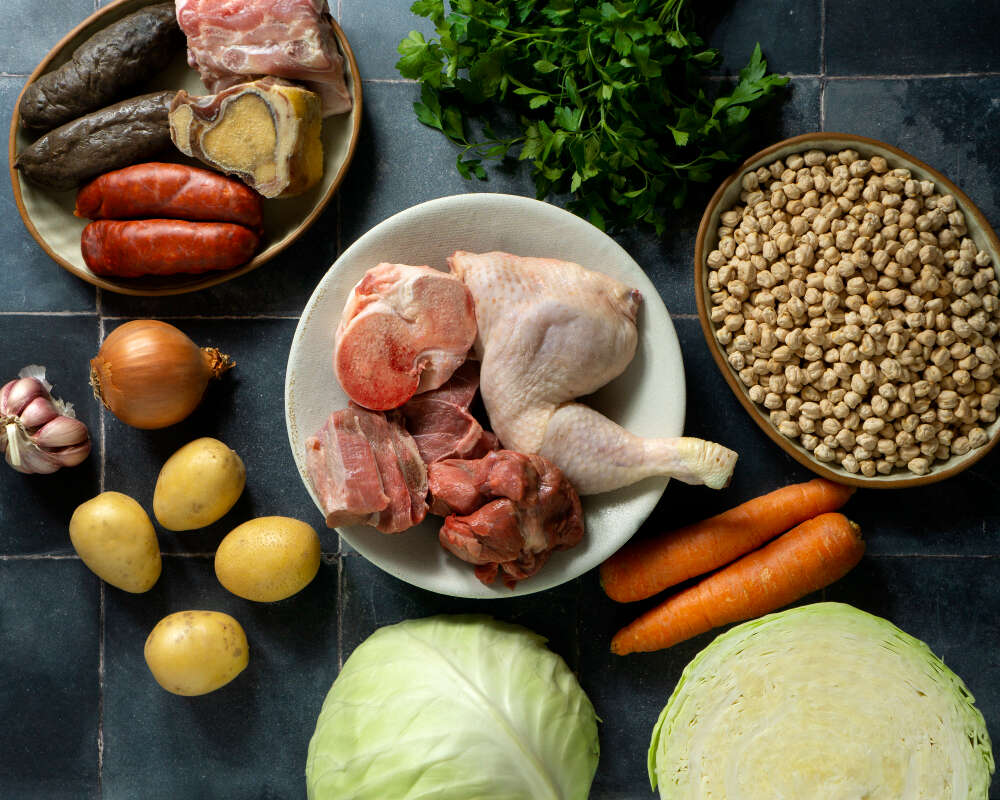
How to achieve an effective and affordable basic food basket
Food policies must ensure that the entire population has access to sufficient quantities of the foods that make up a healthy diet without endangering the household economy.
A study published in the journal Nature and conducted on mice has found that a communication between the gut and the brain stimulates the desire to consume fats, regardless of whether they can be tasted.
A study published in the BMJ has found a link between overall ultra-processed food consumption and an increased risk of colorectal cancer in men. The association has not been seen in women.
In the coming days, our children and young people will return to their schools. In addition to their education, schools offer the possibility to improve and maintain their health also through healthy and sustainable nutrition. This is one of the current challenges in Europe; a much more complex challenge than it may seem.
Using data from the UK Biobank, where black tea consumption is common, researchers have examined whether its intake is associated with a lower risk of mortality. Participants who reported drinking two or more cups a day had a 9-13% lower mortality risk compared to non-tea drinkers. The results are published in the Annals of Internal Medicine.
Using data from the 2017 National Health Interview Survey, researchers show that children and adolescents (aged 4-14 years) who skip breakfast or eat it away from home are more likely to have psychosocial behavioural problems. The research is published in the journal Frontiers in Nutrition.
Research published in the journal Cell has found a link between the intake of the sweeteners saccharin and sucralose with changes in the gut microbiota that may lead to altered glucose metabolism.
In summer it is more difficult to keep food at the optimum temperature to prevent the development of micro-organisms. Cooking and storing what we eat properly are some of the keys to avoiding food-borne illnesses.
A study published in the journal Nature has found that ancient human populations consumed milk during adulthood long before we were able to digest lactose beyond infancy. The genetic variant that allows us to do so was not increased in frequency by milk consumption, but by famine and infection, according to their hypothesis.
Reducing salt intake is recommended to prevent heart failure, but restricting it too much could worsen a common type of heart failure, research published in the journal Heart suggests.