microbiology

microbiology

microbiology

‘Science’ retracts controversial article on bacteria that used arsenic to grow, published in 2010

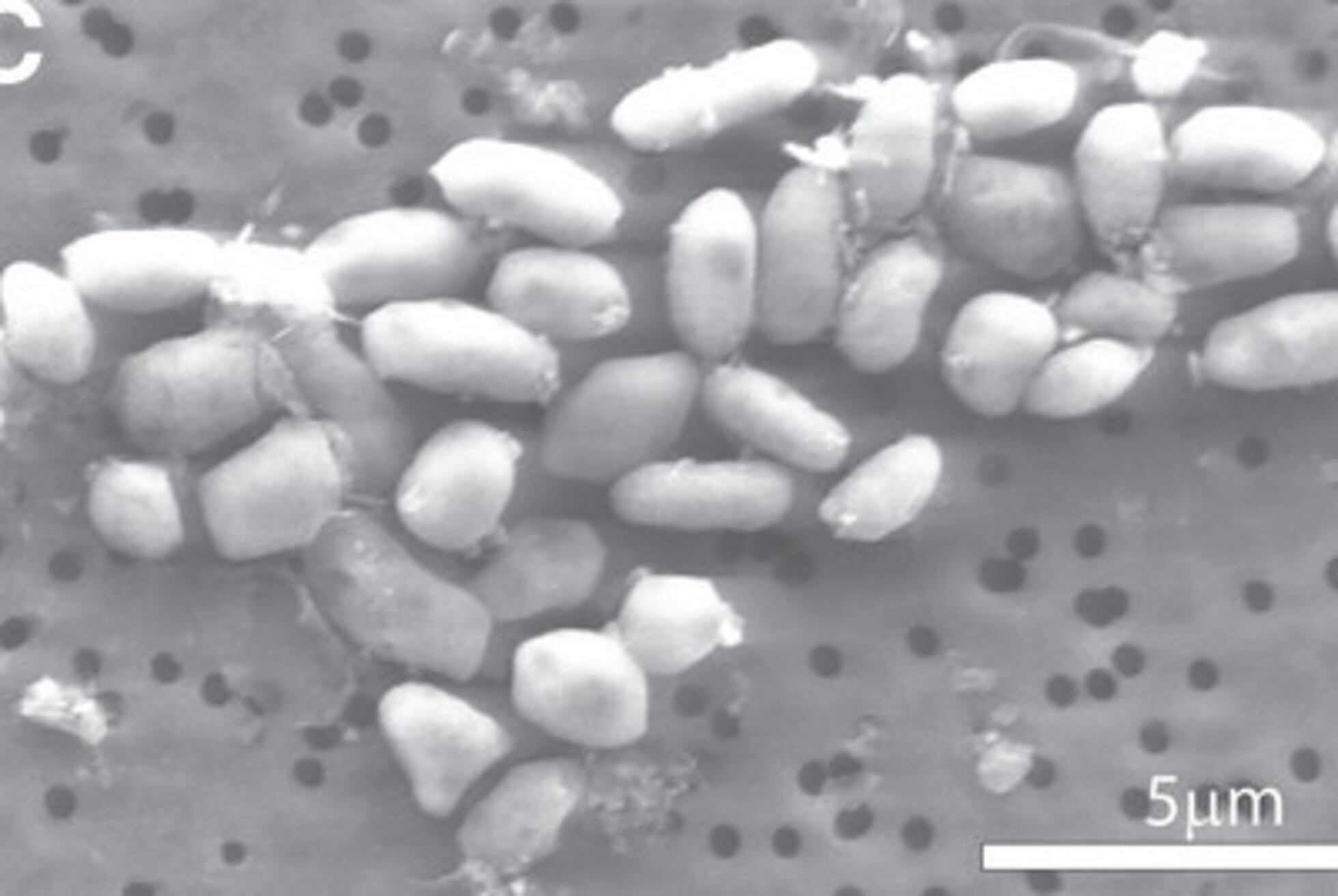
The research article A bacterium that can grow by using arsenic instead of phosphorus was one of the big science stories because it discussed the possibility of arsenic-based life. However, it has been the subject of criticism until now. After nearly 15 years of debate and failed attempts by other groups to replicate the findings, Science has now decided to retract the article, despite finding no evidence of fraud or misconduct on the part of the authors, who disagree with the decision.

0

A study in mice suggests that faecal microbiota transplantation could have unexpected effects on other areas of the digestive system

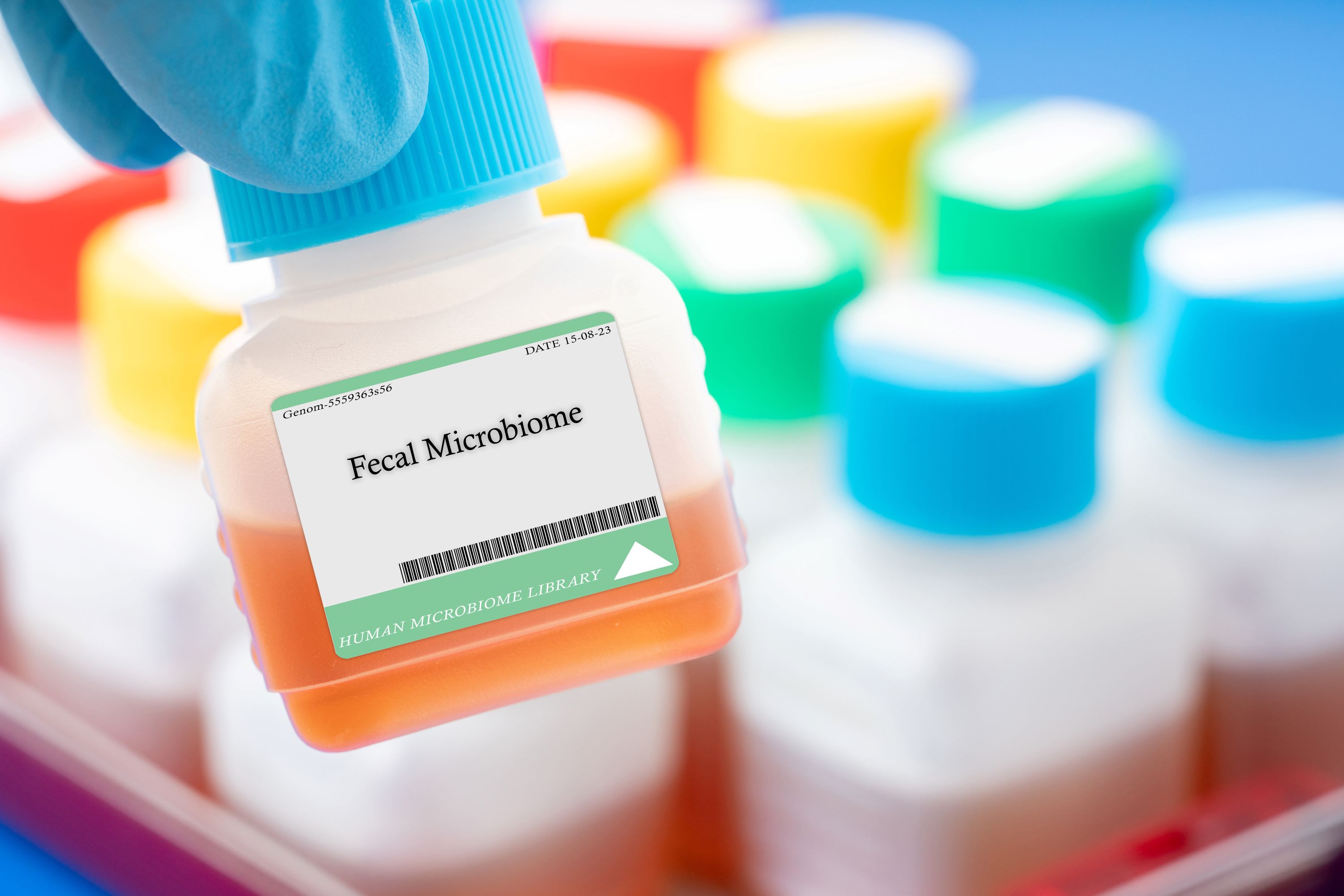
An international study has warned of the potential risks of widespread use of faecal microbiota transplantation without taking into account the region of the intestine where the transferred microbes arrive. The experiment, conducted on mice and human tissue samples, showed that the microbes from the transplant—mostly anaerobic microbes from the colon—colonised the small intestine, persisted there for months and modified that new environment, causing changes in the host's metabolism. According to the authors, whose study is published in the journal Cell, this may have long-lasting and unforeseen consequences, as well as imbalances in the intestinal ecosystem of patients.


0

The increase in colorectal cancer in young adults could be due to a bacterial infection in childhood

A study published today in Nature with the participation of the CNIO points to the bacterial toxin colibactin, produced by some strains of Escherichia coli, as a possible culprit in the increase in early-onset colorectal cancer. The study shows that exposure to the toxin during early childhood leaves a genetic signature in colon cells and demonstrates a substantial increase in these mutations in cases of colorectal cancer in people under 50.

0

Neutrophils that reinforce the physical barrier of the skin discovered

A CNIC research team has identified a population of skin neutrophils that reinforce the physical protection of the tissue against infection. These immune cells are known for their microbicidal role, and the study published in Nature reveals that they also produce an extracellular matrix that reinforces the physical barrier of the skin.

0

Synthetic microbiome therapy eliminates intestinal infection in mice without using antibiotics

A synthetic microbiome therapy, tested on mice, protects against the severe symptoms of a difficult-to-treat and potentially fatal intestinal infection in humans: Clostridioides difficile. Although inspired by the idea of human faecal transplants, the new approach does not require faecal matter. Instead, it uses fewer, but more precise, bacterial strains. The study is published in the journal Cell Host & Microbe.

0

More than thirty scientists warn in Science about the dangers of synthesizing 'mirror bacteria'

Thirty eight scientists from different specialties, including Craig Venter, a pioneer in the creation of artificial synthetic life, have written an article in the journal Science in which they assess the possibilities of synthesizing mirror organisms, but also warn of the risks they pose. This type of microorganisms, which would present a mirror structure to that currently found in nature, would have potential applications due to their resistance to biological degradation. However, they would also pose a danger because they would not be recognized by our defenses and could spread in ecosystems. Scientists call for more research and a broad debate, and warn that until more is known, this type of organism should not be created. 


0

The relationship between gut bacteria and diseases could be overestimated

Many diseases related to bacteria, such as inflammatory bowel disease or colorectal cancer, are associated with an overgrowth of gut bacteria considered 'bad'. However, a study published in the journal Cell suggests that changes in microbial load, rather than the disease itself, could be the driving factor behind the presence of these harmful species associated with pathologies.

0

12% of rodents harbour human pathogens

A review published in Science estimates that 2 % of rodent species are hyper-reservoirs, hosting and transmitting more than three pathogens to humans, including Lyme disease, Lassa fever and plague. In addition, the authors estimate that 10 % of rodents are reservoirs for one to three pathogens. These are especially so-called synanthropic species - animals that live close to humans and are able to adapt to these environments - such as black rats, Norway rats and house mice.

0

Metagenome sequencing of bacteria, fungi, and yeasts present in more than 2,500 foods

An international team with Spanish participation has developed a database with the metagenome of bacteria, fungi, and yeasts present in more than 2,500 foods, mostly dairy products, followed by beverages and fermented meats. The authors identified more than 10,800 microorganisms, half of which were previously unknown species. The study, published in Cell, shows that food-associated microorganisms are present in 3% of the adult gut microbiome and 56% of that of newborns.

0