neuroscience

neuroscience

neuroscience

Reaction: Frequent social media checking linked to changes in the adolescent brain

Constant checking of social media activity in early adolescence is associated with changes in the brain's sensitivity to rewards and punishments. This is the conclusion of a study involving 169 12- and 13-year-old students in the United States with Facebook, Instagram and Snapchat profiles, according to JAMA Pediatrics.

0

Reactions to study indicating that hormone therapy improves cognitive function in people with Down's syndrome

Researchers have tested a gonadotropin-releasing hormone (GnRH) therapy in mouse models and in males (in a pilot clinical trial) with Down's syndrome. The results, published in the journal Science, suggest improved cognitive function.

0

Reaction to the announcement that an antiretroviral drug improves cognitive ability in a mouse model of Down's syndrome

Lamivudine, a commonly used antiretroviral drug for the treatment of HIV, improves cognitive ability in a mouse model of Down's syndrome, according to a new study published today in the Journal of Cellular and Molecular Medicine.

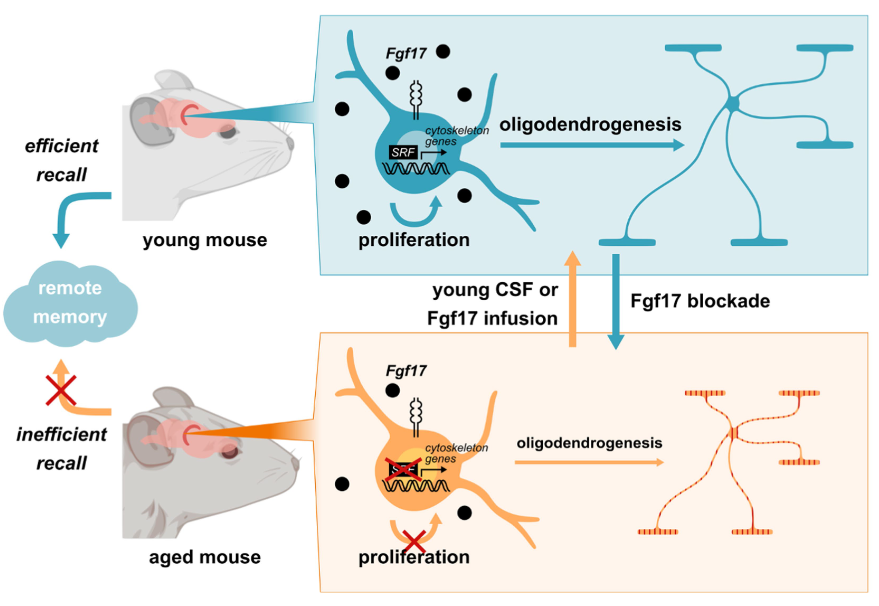
Reaction to the result showing cerebrospinal fluid from young mice improves memory in old mice

Cerebrospinal fluid provides nutrients and other elements to brain cells. Scientists now show that by obtaining it from young mice and injecting it into the brains of old mice, the latter recover their memory. The effect is attributed to a protein, Fgf17, presented today in Nature as a possible brain rejuvenation factor. 


0